



(Listen & Subscribe on Apple Podcasts, Stitcher, Spotify, iHeart or TuneIn)
Can you really have it all, a thriving business, a beautiful family, your health, and time for yourself? This week I’m joined by Ashley Brock, founder of Paid Ads Marketing, entrepreneur, wife, and mama, who’s proof the answer is yes, on your own terms. We get into what it actually takes to build a sustainable business, when to start investing in paid ads, the mistakes that quietly kill most campaigns, and the simple framework Ashley uses to help businesses become truly findable online.
But this episode goes far beyond marketing. Ashley opens up about motherhood, redefining success, building real support systems, her inspiring 50-pound weight loss journey, and the daily habits that keep her grounded through it all. Whether you’re just starting out or scaling without losing what matters most, this conversation is one you’ll want to bookmark.
About Ashley Brock
Ashley Brock is the founder and CEO of Paid Ads Marketing, where she helps entrepreneurs confidently grow their businesses through strategic, data-driven advertising. Passionate about making paid ads accessible, she’s built a unique model that empowers business owners to manage their own advertising with confidence, rather than relying solely on outsourced agencies. She’s also a wife, mother, and passionate advocate for creating businesses that support the life you truly want to live, helping entrepreneurs simplify marketing, scale sustainably, and build profitable businesses without sacrificing what matters most.
In this episode we chat about:
- The one thing every working mom needs before she needs anything else (3:29)
- Can you actually have it all? Ashley’s answer will surprise you (6:29)
- The moment Ashley knew the traditional agency model was broken (8:46)
- How Ashley rebuilt the agency model from scratch, and why it works (12:13)
- The exact moment your business is ready for paid ads (15:41)
- The #1 mistake killing most ad campaigns before they even launch (17:09)
- Ashley’s simple framework for becoming impossible to miss online (19:17)
- Why keeping ads in-house beats outsourcing, and how to pull it off (23:05)
- How long it actually takes to master paid advertising (27:57)
- Ashley’s real definition of success, and what got her there (30:24)
- My own definition of success, and how much it’s changed (31:47)
- The one book Ashley says every teenager needs to read (34:16)
- Inside Ashley’s 50-pound transformation and the habits that made it stick (37:07)
- The daily rituals that keep Ashley grounded in business, family, and self (42:22)
Episode resources:
- Work with me (use the code 2026 for $500 off your first session)
- Mastering Your Mean Girl by Melissa Ambrosini (book)
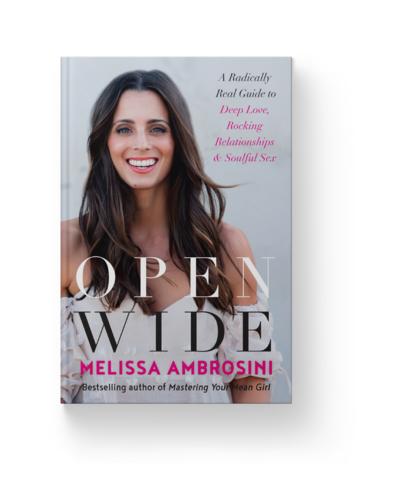
- Open Wide by Melissa Ambrosini (book)
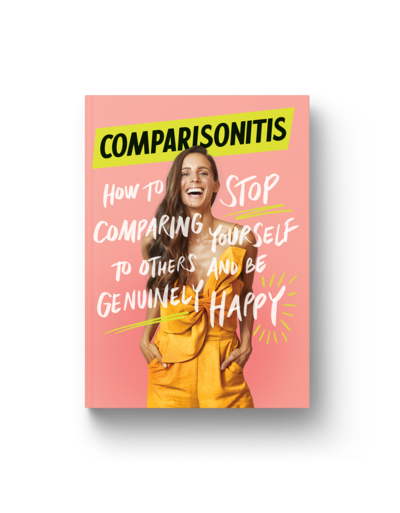
- Comparisonitis by Melissa Ambrosini (book)
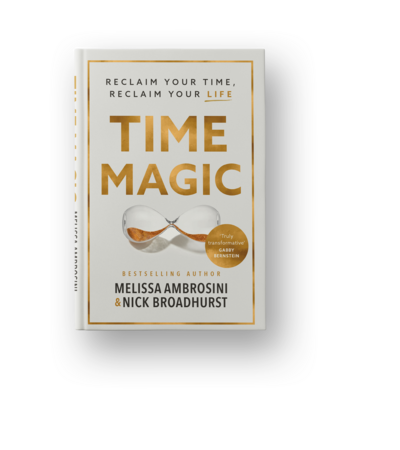
- Time Magic by Melissa Ambrosini and Nick Broadhurst (book)
- Paid Ads Academy (website)
- Ashley Brock (Instagram)
- Unreasonable Hospitality: The Remarkable Power of Giving People More Than They Expect by Will Guidara (book)
- Girl, Stop Apologizing : A Shame-Free Plan for Embracing and Achieving Your Goals by Rachel Hollis (book)
- Extreme Ownership: How U.S. Navy SEALs Lead and Win by Jocko Willink and Leif Babin (book)
- Discover the secret to becoming findable™ with paid ads (join here)
Prefer To Read?
The following transcript has been automatically generated and not checked for accuracy.
Melissa: [00:00:00] The Melissa Ambrosini Show. Welcome to The Melissa Ambrosini Show. I’m your host, Melissa,
best-selling author of Mastering Your Mean Girl, Open Wide, Comparisonitis, and Time Magic.
And I’m here to remind you that love is sexy, healthy is liberating, and wealthy isn’t a dirty word. Each week,
I’ll be getting up close and
personal with thought leaders from around the globe, as well as your weekly dose of motivation so that you can create epic change in your own life and become the best version
of yourself possible.
Are you ready, beautiful?
Hello, and welcome back to the show. I am so excited about this episode because one of the many things that I’m passionate about is elevating female businesses and brands that are doing amazing things in the world. And one of the most amazing ways you can get your work out there is through paid ads.
So I have the incredible Ashley Brock here. She is the founder and [00:01:00] CEO of Paid Ads Academy, the leading cross-platform advertising training program for entrepreneurs and their teams, empowering business owners to become findable by keeping paid ads in-house. Now, she has over a decade of experience in advertising, and she has managed over 200 million US dollars in ad spend for Fortune 500 brands, including Dollar Tree, California Closet, Revlon, and more.
She is known for her bold, bubbly, and brilliant approach to advertising, and her belief that mindset, message, and metrics work together to drive results. She firmly believes that visibility is the key to impact, and that the most findable businesses will win. And for everything that we mention in today’s episode, you can check out in the show notes, and that’s over at melissaambrosini.com/703.
So if you are a business owner, you’re gonna wanna grab your pen and paper and take notes. This one is for you. Let’s dive in.[00:02:00]
Ashley, welcome to the show. I am so excited to have you here. But before we dive in, can you tell us what you had for breakfast this morning?
Ashley: I
have this thing called protein porridge, okay? And I, I have, it’s like chia seeds, flax seeds, p- organic, you know, almond butter, and then protein scoop and some, like, oats.
And yeah, so it was, it was fiber, okay? And protein. It was good.
Melissa: Delicious. Oh, my gosh. And before we started recording, we were chatting about your chef and your home manager. So was this cooked by your chef?
Ashley: This one wasn’t. So this was, this was mine. So she does lunches and dinners, and then does, like, a breakfast thing, so she makes these peanut butter protein balls, so like, or, or like she’ll make these protein muffins that have fiber in there, like gluten-free, like dairy-free.
She just makes these delicious things. [00:03:00] So no, this one was mine, but everything else is normally hers.
Melissa: Okay, I am coming over for breakfast, lunch, and dinner. I wanna experience all of this. This just sounds delicious.
Ashley: It’s changed my life. So, like, yes, is the food good? Of course. But what also is good is getting done with a very productive day and walking down those steps and not having to fight with my husband about what sh- we should eat.
It’s like, “Oh, hi, honey,” and, “Hi, kids.” And we just get to, like, enjoy each other and eat good food.
Melissa: Yeah, so important. It is so important as a working mother that we ask for support. I see a lot of women who really struggle with the actual asking, because they’ve got all of these stories in their head that, “I should be able to do it on my own.
Society tells me that I’m weak or that I’m failing if I am not wearing every hat.” And it is just- Not realistic. As a working mother, to be able to [00:04:00] do everything, it is crazy. And so the quicker we can get over the inner dialogue that’s telling us that we are a failure if we ask for help, the quicker that we can receive help, and the quicker we can get to our goals and live the life that we want to live.
Ashley: Yeah. I will say I absolutely, when I first got started, when I had my first son, I was very much so trying to prove to my mother-in-law that I could do it all. Now, that was before I had the business. So I was just trying to prove that I could work and take care of the house and do all these things. And now, having an eight-figure business, I’m like, “There is no shame in my delegation game.”
I’m like, “I don’t need credit. I just wanna say, ‘Hey, I’m so grateful for the support,’ because there’s no way I could do with, do it without it.” So no, it was definitely a struggle, but it’s not anymore.
Melissa: Yes. Yeah. It’s one of those things that you have to prove to yourself that you are over [00:05:00] that limiting belief, the limiting belief that asking for help is a sign of weakness.
And the only way that you get over it is by actually doing it, is by saying, “Can I please have some help with X?” And it’s like a muscle. The more you do it, the stronger it gets.
Ashley: Oh, yeah. That’s why I’m so good at it now. It just took one moment of being like, “Who am I really trying to prove by acting like I can do it all?
It is simply not possible,” and then seeing how good it felt to have help, and then now it’s like, it’s true. It’s like I, I, I mean, I think delegation is like one of my like super skills now.
Melissa: Mm-hmm. Me too. I’m so good at it. I have no fear. I’m so okay with asking for help from my parents, from Nick’s parents, from, you know, paid help.
I have no issues with it because… And also, they actually want to help.
Ashley: Yeah. You’re, you’re taking away someone’s opportunity to use the gift that they have or the passion they have to e- even, especially with paid support, [00:06:00] like someone is so grateful they get to do something that they’re good at that like serves other people.
Like I lo- I feel like everything I do is like serving these business owners, and like it just feels so good. There’s just, have you read that book Unreasonable Hospitality?
Melissa: No.
Ashley: One of the things it says is it’s so selfish to feel good. Like it’s like taking care of someone else is like for them, which is selfless, but like it’s selfish because it feels good when you like really help somebody.
I’m like that’s, that’s how I feel. I’m like it’s, it’s a win-win. So I, I’m all in on it.
Melissa: Do you believe that we can have it all? You know, do you believe that we can have the thriving business and the beautiful home life?
Ashley: I do. And it takes, like here, here’s what I’ve experienced It takes a, a, a little bit of struggling behind the scenes ’cause, like, you’re f- you’re trying to figure some stuff out.
Like, I, I think it, it can look like it from the outside, but, like, there’s always gonna be, uh, especially as my, my business grew, like my husband and I, it was, like, [00:07:00] rocky for a minute, and there’s some stuff we had to figure out. But I truly believe that I’m finally getting to a place where my business is growing, my relationship is growing because what I, what I was really good at was, like, setting boundaries at, at, like, work, but I wasn’t good at setting boundaries at home.
And so that totally took some work, but I absolutely, positively believe with the right team and the right communication, you really can.
Melissa: And I feel like to have it all, you do need to get really good at asking for support, and you do also need finances. I feel like you do. Like, the way that I have been able to have the business and the life that I have is I have paid help like you do, and that’s allowed me to have both.
So I feel like you have to get really good at asking for support, and you need the finances to be able to pay, or you get, you know, help from your parents and [00:08:00] in-laws and things like that. But I feel like that’s a huge piece too. So yes, you can have it all, but it does require finances.
Ashley: And it takes time.
Like, it, like, when I first started in the business, I didn’t have any help, and then as the business grew, I was like, “Okay, we can have some help.” As the business grew more, I was like, “Hey, what else can we delegate?” Like, now I have a personal assistant, executive assistant. I’m like, I have so much support.
But it’s like the business grew, and as it did, I was, like, reinvesting back into, like, my time and our family’s efficiency. But yes, it… And I, I didn’t have any money at the beginning. Like, but, but over time it grew, and as it has, like, the more things I’ve been able to delegate. I truly believe it gives me and you, like, more time to spend money on the things that make the business money, and that has made the difference.
Melissa: Mm, absolutely. So can you take us back? How did you get here? Take us back to the moment that you knew paid ads were more than marketing, that they were a visibility tool. Like, what were you doing then, and what did you [00:09:00] start seeing that changed everything? Can you take us back to the beginning?
Ashley: Yeah, I can.
So right out of college, I immediately started at an advertising company, and so over time I went from a small advertising company to a larger one, to a larger one, to ultimately getting to work with some of the largest companies in the United States, billion-dollar Fortune 500 companies. And- I did it for a decade, so four different agencies all day, every day advertising.
And so what was interesting is the last, like, five years that I was working at the agency before I left to start my own job, which I’ll tell you, or, or start my own company, I’ll tell you that moment. Basically, I was, I was driving to and from work an hour each day, to and from, and I didn’t have kids yet.
And I would get done with work at 6:00, and I’d drive an hour to go teach about ads for another hour. And so I was, like, teaching about ads at this… It’s called General Assembly, but it’s where all these experts come in, and it was a classroom in, in my city, and [00:10:00] there’s just 100 people sitting there. And every day, I’d just teach about ads.
And I realized it was almost like I was having… I was like, “Am I living the same day over and over and over again?” Like, the exact same questions that these big Fortune 500 companies were asking were the same ones that these small business owners who were doing their own business were asking. And I was like, “This seems super repetitive.
I wonder if there’s, like, a way that, that I could transfer some of this.” But I was like, “There’s no way.” I didn’t know a business owner. I was like, “I, I, I don’t know how this is possible.” Well, one day I was reading this book. Have you heard of Rachel Hollis before?
Melissa: Yes.
Ashley: Okay. So I read her… I was listening to her book, and I was, like, pushing my oldest son in a stroller, and I heard this one line, and she said, “You can want more for yourself for no other reason than because it makes your heart happy.”
And at the time, I was 60 pounds heavier than I am today. I was working 60 hours a week. I could barely leave to even push my son in the stroller because I was on these big accounts that were, like, 24… I mean, these people were spending $100,000 a day. Like, [00:11:00] they wanted a lot of updates because… And I was on all these accounts.
It was a lot of money, like multimillion-dollar budgets. And I was just like, “I don’t like my body. My relationship with my husband is terrible. My work is stressing me out, and I hate this.” I was like, “I do want more.” And so I heard this saying. It was like, “If you repeat it, record it.” I’m like, “I’ve been repeating the same thing for a decade with these a- a- these companies on how to do their own ads.”
I was like, “I think I’m gonna leave this.” And I, I went to my husband, and I got four months of fully paid maternity leave, which was a lot for us, and I was like, “I think I…” And I w- and I’d just found out I was pregnant with my second, and I was like, “Hey, I think I’m gonna leave and start my own business.”
And he was… The, the level of shock on his face, he was like, “What? You don’t know anything about business.” I was like, “I know, but I know a lot about ads.” And that was really the door, and so I left.
Melissa: And how many years ago was this?
Ashley: Three and a half years ago.
Melissa: Wow.
Ashley: I know. It’s been a wild year. We went from [00:12:00] zero, first year was 250,000, then 1.4 million, then 7 million, and then this year it’ll be
Melissa: 15.
Wow. While raising two kids. What did you refuse to do the, quote-unquote, “normal way” in your strategy, in your team, and in your energy?
Ashley: Mm-hmm. the normal way. So normally I would get my whiteboard and draw this, but I’ll let you just imagine. You know how they say, like, slow and steady wins the race? I didn’t do that.
If I could draw a chart of, like, here’s what slow and steady looks like, it’s like, no, I was like, poof. And what I did with that was I, I did a couple of things that was, like, not normal. Number one is I obviously started out of the gate spending way more on advertising than anybody else would simply because I knew it so well.
Like, for me, spending $10,000 a month was, like, what I, my clients would spend in, like, an [00:13:00] hour. So it was like, so I, I just, I was so confident and I spent my way for people to find me. And so I think very quickly every single month without when I did my launches, I doubled my spend. So it started at $2,000, then it was four, then it was eight, then it was 16, and I just have doubled my, my way up there and that was probably one of the biggest things.
I feel like a lot of people, they just stay in their comfort zone. They’re like, “This is what I’m comfortable spending. This is what my friends spend.” And I’m like, “I’m just gonna change it.” And then, and I just, for everybody listening, it’s very easy, is I, I saw this two days ago when I went to a business workshop with Alex Hormozi in Las Vegas.
And all these business owners that were running ads, it, it’s not super profitable. So people hear, “Oh, cool. You’re spending a lot on ads. Oh, 15 million.” They’re like, “Yeah, what are your profit margins?” They’re 40%. It’s really good. And so it’s just because I had a different way of doing it, so I think it was a mix of the ads, but I also think it was…
I can’t explain it, but I just had this… I am, [00:14:00] like, an eternal optimist. I was like, “This will work out.” And so the biggest thing that I think I did in the business that was not normal, that really led to the growth, I call it my first domino, was about 45 days before I had this event, I decided I was gonna host this big in-person event.
I had 1,100 followers on Instagram. Okay? I had no audience. I repeat, no audience. And I’d never hosted an event, not a day in my life, and I felt like I was being called to host an event. So I got a credit card, which I did not have money for, and I went and sat down and said, “Hey, I, I wanna host an event here in 45 days.
Is this day open?” They said, “Yes. Have you told anybody about the event?” I said, “No, but my mom and my husband.” And I, I just went out on a prayer to be honest. And, and 45 days later, I hosted that event, and I will say about two weeks prior I thought it was gonna be me and my mom. But long story short, [00:15:00] it wasn’t.
People showed up. We had 200 people that came from those ads that had never seen me or met me. They paid $100 for a ticket, and that led to my first six-figure day and me being able to reinvest and grow the business. And so it was a lot of risk and a lot of discomfort, and that’s how we got where we are.
Melissa: And that was your first six-figure day because you sold on the back end of the event?
Ashley: That’s right. Yep. I had a $5,000- program, and I just sold it to those 200 people there, and whatever a hun- I guess 20 people, I think it was that. Like, I guess 20 people bought it, ’cause it was $5,000 a piece. And so we made a little over 100,000.
It was insane. Insane.
Melissa: Wow, this is so amazing. So when is the point in someone’s business where you think putting money behind paid ads is a good idea?
Ashley: Hmm, it’s a good question. I like to say when you ha- So there’s kind of two people, right? There’s people that don’t have [00:16:00] anything. It’s a brand-new business.
They don’t know if people are gonna buy, and then there’s people that have something. So if someone was selling something, like I always joke about it, but I’m like, have you heard the saying, like, selling ice to Eskimos?
Melissa: Yeah.
Ashley: I’m like, okay, if you have something that, like- Is a commo- I’ll give, I’ll give you a perfect example.
I s- I had this one gal, she was a sweet, sweet girl, but she was selling a puzzle on Amazon, and there were, like, 10 other variations of that same puzzle on Amazon for a lower amount, and I w- and it just wasn’t working. So when I think about who’s the best for advertising, anybody who’s has something that you know people are searching for.
Mm. So if you’re already getting sales, perfect. And if you’re not getting sales but you’re like, “I’m gonna be a real estate agent,” or, “I’m gonna own a yoga studio,” we know that people want those things, so you’re good. But it’s really people… Like, if you… A- advertising is kinda like music. It’s like it dials it up.
It’ll make it louder. It won’t make it better, but whatever you [00:17:00] got, if you can… If you know people want it, you can, you can turn the dial up and, and I, I mean, I would say anyone can run ads if you know you have something that people want, for sure.
Melissa: Now, you’ve managed $200 million-plus in ad spend. What did working with these Fortune 500 budgets teach you that most entrepreneurs completely miss when they run ads for their own business?
Ashley: That’s such a good question. What do entrepreneurs miss? These companies, it’s really how they think about advertising. Like, I, like, beyond a shadow of a doubt, the way that these high-level CMOs think is they say, “There is not an advertising budget if it’s performing.” So many entrepreneurs are like, “Well, I have this, this amount of money.”
And it’s like if you’re turning $1 into $4, why is there a budget? Like, you should be limited by your capacity f- to fulfill. So I think it’s just how they think about it, and the other big thing, the, the mistake that most entrepreneurs ma- I would say, I would bet 95% of people running ads make the [00:18:00] mistake of running ads on one platform.
Melissa: Like, it’s like
Ashley: they’re just running Facebook or Instagram. They’re just running Google. They’re just running YouTube. And just like real estate investing, just like business, as you have a team, you diversify your risk. You have eggs in multiple baskets. There are so many people I know right now that if Instagram ads shut down or Google ads shut down, they’d be like, “I, I don’t know what to do.”
And, and so I… The advantage of, of what we do and my conviction is that we teach Facebook, Instagram, Google, YouTube, TikTok, Pinterest, LinkedIn, Spotify, and Amazon because, like, for you, Melissa, your show is outrageous. I can’t even imagine even just Spotify ads, just b- getting more fuel on the fire with this content.
So that’s the opportunity, is people aren’t thinking like these CMOs are, of they’re thinking, “Okay, 10% goes on YouTube, 15% goes on Google, t- 3% goes on TikTok, you know, 80% goes on Meta.” And I, and I… This is the last thing I’ll say about this, but at the ad agency, the majority of people spent the majority of their money [00:19:00] on Google, whereas on entrepreneurship, I think it’s what we all see.
So everybody’s like, “Oh, Instagram ads.” I’m like, “You’re missing, like, this gold mine over here, but it’s just because you don’t know what you don’t know.” So that’s my, my biggest opportunity, is just not diversifying it enough.
Melissa: Yes, so good. Such an amazing point. So for entrepreneurs listening who are boosting posts and just praying, what’s the simplest framework that you’d give them to become truly findable?
And what are the first metrics that you’d have them track to know that it’s working?
Ashley: Yeah, so first thing I’d do is if the boosted posts are not getting incredible results, which nine times out of 10 they’re not. Nine times out of 10 someone’s like, “I’m just boosting. It got something.” And it’s very often that it doesn’t get any results.
So if it’s getting it, I’m, I’m not gonna… No shame in your boosted post game. If it’s working, like, keep it. But it’s probably not, so just pause it. And the reason that boosted posts [00:20:00] don’t work as well is because there are, your, there are limits to how you can set up your audiences. Like, you, there are actually audiences not available to you as if you were setting up a manual targeted ad in Ads Manager.
The second thing is, Melissa, what does Facebook want more than anything else from everybody? What does it want?
Money. Yeah.
It wants money. And so the algorithm is designed to make you money. So with boosted posts, you can’t set up to track what a purchase is, to track what a lead is. Whereas on Meta you can, or on, on a, like, targeted ad, you can say, “Not only do I want leads,” ’cause you can tell it you want leads or you want traffic, but you can’t say, “This is the specific action I want you to go, is people that actually land on this page.”
And so a lot of people are just throwing money out there, but the algorithm needs the signal of who is actually quality. And so if you don’t do it s- that way, you won’t get as good results because the algorithm needs that to give you more money. ‘Cause the algorithm wants to be like, “Oh, Melissa, put $1 in, got six out.
What is Melissa gonna do? Spend more money.” Like, it wants you to win. [00:21:00] People are like, “It’s out to get me.” I’m like, “Yeah, it’s out to get your money. It’s not… It, it actually wants you to get results.” Anyway, so the first thing I’d do is probably pause the boosted post. Second is I would set up a prospecting and a retargeting campaign.
One of the mistakes that literally almost everybody I talk to does is they, they just listen to what Meta says. Like, I, I had a, a guy, and he’s a husband, his name is Dave. His wife is an influencer, and so he’s been running her, like, influencer ads for her home decor and, like, outfits for forever. And on the call last week, he was like, “We just had our best week ever.”
And he was like, “And you know what I realized, Ashley?” I was like, “What did you realize, Dave?” He was like, “Basically, you just don’t do anything that Facebook and Instagram tell you to do.” I’m like, “Right.” Because everybody just thinks this is what you should do, ’cause this is what’s out there. And I’m like, there are some ways that you can segment it.
So what I like to do is I spend 95% of my budget on prospecting, so completely new people. And to make sure that it’s new people, I exclude my website visitors, I exclude my Facebook and Instagram [00:22:00] followers, I exclude my email list. I want every dollar I’m spending to be on new people that have never heard of me before.
So that’s thing number one, is prospecting, and number two is retargeting, and that’s where I’m like, what do the people that are familiar with me, that have been to my website, what do they need to hear? So I would segment it out, and then what data do I look at? It really just depends on what you’re optimizing for.
So if you want more… Y- you have an opt-in, you want more people to get there, great. You have a live event, great. It’s a physical product, retail, it’s optimizing towards a purchase. So it’s really segment out, prospect and retargeting, do a manual campaign, and I, I, the, the metrics that people look at, people get so obsessed with, like, click-through rate and view rate, and I like to say, once you have back-end leads and conversions, you can graduate.
You can graduate from caring about the front end as much and care more about the back end, like how is it converting? So until you get your first leads in sales, you can look at, like, what percentage of people are clicking? But once you have the leads, it’s like, [00:23:00] what’s the cost per lead? What’s the return?
It’s all about the, the money.
Melissa: Mm. So fascinating. And you teach keeping paid ads in-house. What is your case for that, and what needs to be true in terms of skills, systems, standards for in-house ads to actually outperform outsourcing? Because I’ve always outsourced my ads to an agency, so I’m curious to hear your thoughts on this.
Ashley: Yeah, totally. It’s, it’s very fair. I think… Well, let me a- I’m actually curious about this, and then I have a, a thought for you. When you outsourced, was there a specific reason that you outsourced versus finding someone in-house?
Melissa: It was mainly because- They just had the reputation. We hadn’t found anyone to employ in-house.
So it was mainly just, you know, these agencies, they had the reputation, they were amazing, they were getting results, and they definitely did for us as well. So that’s kind of why, and we just [00:24:00] hadn’t found anyone.
Ashley: Yeah. No, and, and that’s honestly the case 95% of the time. You’re like, “Hey, I would ref- was, was referred by this agency,” and I’ll tell you, I will never be the person to bash agencies.
I would not have my business had I not worked at four incredible agencies. I got to learn from so many smart people. It was amazing, and there are a few facts that are true about an agency in general. Fact number one is that for that person, for that company to be profitable, one person cannot be on one account.
Like, you’re always on multiple accounts. Now, they may share that you’re the focus, you’re the priority. It is simply not the case. And so there… Because of that, one of the things that I’ve found is entrepreneurs, we like to make changes. We like to have control, and a lot of times it’s dangerous because you are getting results, but you actually don’t know if you could be getting better results.
And so the analogy I give is it’s like a car. Like if someone comes to me and says, “Ashley, your car’s broken.” I’m like, “I don’t speak car. Here’s my [00:25:00] money. I’m just trusting that you’re doing the, like, right thing with my car.” It can be so empowering, and that’s why I say knowledge will either cost you or emboss you.
An emboss is like elevate. And so it’s like I would just love to be able to ask the right questions even so that I can delegate it and be like, “Hey, so I know you said my radiator on my car is broken, but radiators last on average about seven years and this is a new car, and typically they only go out because of this, this, and this, and that hasn’t happened.
So, so why is it out?” And it’s like a lot of times the pr- the people that have the least amount of knowledge, they’re like, “Oh, agency.” They really are getting deprioritized. They’re gonna say things that… And because they’re just busy. They’re good humans, but they’ve got a lot on their plate. Like, if you can just be good and not complain, they’re gonna go do something else.
And so being able to have control over your own messaging, change things when you want to, and actually know how to speak the language so that you or someone on your k- team can delegate it is so empowering. And I find, this is just the, the fact about the agency side- When I inherit clients [00:26:00] who, ’cause like you said, we don’t do any ads.
When I have people and they’re like, “Oh, an agency set it up,” I look at it and I’m like, “This checks out.” And the reason I can look at it and the reason it is an advantage is for an agency to be scalable, they can’t have someone spending a ton of time on an account. So they’re probably gonna set it up in the way that is easiest to manage, less segmented, less variations of testing, ’cause that’s more work and more time.
And so they’re like, “Oh, here’s the method that is just repeatable and it’s easy.” What I teach is a more, it does take a little bit more time at the beginning, but like gosh, anybody could do it in a couple hours when they know what they’re doing, but it takes a little bit more time to set up. It takes a little bit more time to maintain.
But it gives people the control over the speed of their results, which allows them to hire, allows them to invest in other things. So I think it’s just speed of, speed Control, quick, quick to make changes, and the fact that someone on your team can do this. Like, if someone is eager to learn, the [00:27:00] person posting on social media, you can be like, “Hey, how do you feel about learning?
If we were to get, like, X amount of results, would you be interested in a performance-based, like, bonus?” They’d probably be like, “Yeah.” And so I just find that you care more, and I find that for an agency, especially what I, like I talked about earlier, if you find an agency that does Facebook, Instagram, Google, YouTube, TikTok, Pinterest, LinkedIn, Spotify.
The reason I was able to do that is ’cause my agency had different departments. Like that, like you have a department for social ads, you have a department for Google ads, you have a department for YouTube ads. I was just a nosy, curious, eager learner, and I was like, “I’m figuring all this stuff out.” And that’s not normal.
Most people specialize. So if you have someone on your team and they can really learn all of it, there’s really no agency that you could pay anything reasonable to, to do all of those things for you that one person could. So at the end of the day, it’s just like outsourcing your sales or outsourcing your recruiting or outsourcing anything.
It’s just, you could probably do it better if you knew what you were doing.
Melissa: How long do you realistically think it would take for [00:28:00] someone to learn and master it in your team?
Ashley: Yeah, that’s a good question. So I have kind of two answers. I have found that mastery takes time. So the training that I have, like, I have a 30-hour training program, so it’s like going to school, but someone could do that in a week if it was their full-time job.
And then it takes, I would say, an hour a day of just getting in the reps. It’s like a workout. You start to see progress when you just put in the reps every day. It doesn’t have to be an all-day thing. So I’d say a 30-hour upfront time investment with about an hour a day after that, and then you’ll get to a place where it’s so automatic.
It’s like checking emails for 30 minutes. You can just do, do, do, make a few changes and whip it up.
Melissa: Yeah, I love that so much. So good. I do find that when I have used agencies, it’s just like money out the door, money out the door, and you’re just like, “Oh my goodness, what is happening here?” [00:29:00]
Ashley: And it, and it really depends on how they’re structured.
Like, there’s a few different ways that agencies charge. They’ll either charge you, like, a flat fee, or they’ll do a flat fee plus POS, which is just percentage of spend Or they’ll just do a straight percentage of spend, or they’ll take a tie on the results that they get. And some of those, it’s like actually disincentivizing to spend more or to perform better, and you’re like, “God, I’m giving a bigger chunk.”
I mean, it just depends on how, how they do the structure. And so yeah, it can be hard, but at the end of the day, like I said, I have no negative for agencies. They can do a really good job. I just have this conviction that you’ll pay an agency forever when you really could have someone who, like, owns the equity.
It’s like renting versus owning a house. Like, you could own it internally.
Melissa: 100%. So this is what you teach people how to do?
Ashley: This is it. How to set up these ads, how to control the speed of the leads. I feel like, I feel like it’s very rare that I’m [00:30:00] CEO and CMO, and I am eventually to a place where I’m like, “I gotta delegate the ads thing,” but I truly believe one of the reasons we’ve grown is because not only leading the business, but being able to have control over the growth.
Melissa: Mm. I love it so much. And is your husband in the business as well?
Ashley: No, he will not be. We could not work together. I love him so much, but he has a sta- he has an insurance business, and so he’s gonna stay doing that.
Melissa: I’d love to hear what your definition of success is and what do you attribute your success to?
Ashley: Oh my God, I… What does success mean? Success means a couple things. Number one is how many, like, business owners’ lives we get to impact. That’s so fulfilling for me. When someone’s like, you know, whether they paid an agency before and it didn’t go well, whether they’ve really just been struggling with leads and finally got it, like, it’s so fulfilling.
So impact success is, like, probably a number in my brain of, of impact of business owners. The other thing is being able to be with my [00:31:00] kids, like, coming home and actually being able to close my laptop and be present and, like, be where my feet are. I’ve really been working on that. So i- success means having a great marriage, which I’m working on.
We’ve been on a rollercoaster, but we’re finally on this, like… I feel like we’re really making progress with each other, ’cause the business stole some of my, like, attention, obviously, when it was growing, and I, like, know that hi- the attention, like, with him is so important, and I want it. But success is a happy marriage that’s truly happy- And being present with my kids, and just being able to take care of my mom.
My mom’s had a rough go of it, and just, like, being able to take care of her. My team, God giving them raises. God, I just want… I just love being able to make an impact on the people that I get to do this with. What does it mean to you? I wanna hear what success means to you.
Melissa: Very similar. If I can put my head on my pillow at night and, and I can say I made an impact in people’s lives, a [00:32:00] positive impact in people’s lives, I made income with that, I was present with my children, I got time with my children, like quality, deep presence with my children every day, that is so important for me, and I feel deeply connected and in love with my husband, then, like, I am winning.
I am winning. And we’re all healthy. Like, every night I go to bed and I say everything that I’m grateful for, and I thank out loud, I say thank you out loud for all the things that I’m grateful for. And those things, if that happens at night, then I am winning, truly winning.
Ashley: Oh, I love it.
Melissa: It’s the simple things, too, you know?
It’s like just being with your kids and having happy, healthy kids.
Ashley: Mm-hmm. Tonight, we, we just booked a trip, like a family vacation, and it is, like, on the beach, and it’s with our friends, and it’s beautiful, and it’s near, like, [00:33:00] all the major par- I’m like, “This is so special that we could just do that.” And we get to, there’s nobody I have to ask for time off.
Like, I just get to be there. It’s like that is such a gift, and I’m about to enjoy every second of it, but yes.
Melissa: Beautiful. Where are you going on vacation?
Ashley: San Diego, California. I’ve never been, but it’s got, like, SeaWorld, and then there’s a Padres baseball game, and then there’s the beach there. It’s, like, the zoo.
Like, it’s all, the kids are gonna love it. And, and I was, I was like, “This is mom winning right now. Booked.”
Melissa: Totally. I, I love San Diego. It’s amazing. It’s very similar to where I live. A lot of people compare where I live to San Diego and say it’s very similar. You know, really beautiful weather, beautiful beaches, sunshine, nature, good food.
So I’m so excited for you. You’re gonna have such a beautiful time.
Ashley: I’m excited. I do have to come, to come to Australia one day, but that’s a separate story.
Melissa: Have you ever been?
Ashley: No. [00:34:00]
Melissa: Mm, you have to come.
Ashley: I know. It’s on my bucket list.
Melissa: It’s so beautiful. It is so beautiful. It’s just a magical, magical place, so definitely come and visit.
Book one of your holidays for here.
Ashley: I will.
Melissa: I would love to hear, if you had a magic wand and you could put one book in the school curriculum of every high school around the world, what is one book you would choose? It can be on any topic, but just the first book that comes to your mind.
Ashley: Oh, my gosh. High school book?
Melissa: Like, 16, 17-year-olds.
Ashley: I can’t believe this is the book that’s coming to my mind, and I might change my mind later, but- It’s Extreme Ownership. Have you read that book?
Melissa: No. Tell me about it.
Ashley: So it’s this guy in the Army, and he’s, he’s ta- and it, it’s kind of about leading, but it’s, it’s called Extreme Ownership, and it’s about owning, the, like, the leader owns the outcome.[00:35:00]
And it g- it gave this example where there was this, like, test that you, these, these, these men had to do, and they both got on a boat, and one had a great leader, and one had a weak leader, and they go out, and they get back, and the best leader won. And then they were like, the bad leader was like, “No, it was my team.
Like, they didn’t do their part. It wa- it was all their fault.” And so they were like, “Okay,” and they switched boats. And this leader chatted with everybody. They all got on board, and that team won, and it was, like, so cool. And so there’s just so many things that I… Like, I think about my boys, and I’m like, “What is a quality I want them to have?”
I’m like, I think it’s thrilling because they use examples from, like, the Army, and it just, good analogies. But I think owning the mistakes that you make and the things that you do. It’s just such a good book. I don’t know why. That was just the first one that I just talk about with my team all the time.
It’s like, if there’s a mistake, like, I own it. Like, it’s me, you know?
Melissa: Yes. I love that. And what I’m hearing is self-leadership. [00:36:00] I think we have really lost that. We are outsourcing our intuition these days. We’re outsourcing everything to AI that we have literally forgotten how to lead ourselves. And the women that I’m seeing really winning in life and business at the moment are the women that are very self-led, that take responsibility, that show up, that don’t need someone to pat them on the back, that aren’t waiting for someone to come and save them.
Ashley: No. Oh, my gosh. Melissa, it, like, I was thinking about this the other day. I was like, that is it. There is such a difference between self-awareness and self-control. People can be so aware they have a problem. They’re overeating. They’re doing all these things that they… They’re snapping at their kids. It’s like, you can be aware of it, but can you change it?
And will you change it, or will you blame it on somebody else? And I, and I was like, there’s a gap, right? There’s a [00:37:00] gap between knowing and doing, and, like, the people that can know and do, it is a superpower.
Melissa: Mm-hmm. Absolutely. You spoke about before about losing 60 pounds. How did you do that?
Ashley: Oh, my gosh. How did I do that?
I ma- I, I, I had to have non-negotiables and structure. It was probably, like, 70, if we’re being honest , but it was a lot. And so I, it was right after I’d had my baby And I walked every day. I did 10,000 steps. I drank my 100 ounces of water, and I just ate my macros. Like, I, I really was like, I didn’t realize I was absolutely overeating by a substantial margin.
And so simply saying, like, “This is what I’m doing,” and I realized, I realized, because I’m self-aware I was absolutely eating when I didn’t feel good, when, when I felt sad, when I felt discouraged, when I felt lonely. It was like I would just eat. [00:38:00] And so for, to actually pause and be like, “What am I feeling right now?
Is this hunger or is this stress?” Going for a walk instead, using some of my regulation tools, like, truly just saying, “How can I have some boundaries with myself?” And just sticking to that consistently. I did it, and now I have muscles. But, like, truly it was just consistency, and it did take time. Like, it was months.
You know, the other thing I did, which I think helped me, there’s this saying and it’s like, “If you don’t measure it, it doesn’t matter.” And so I me- I got on that scale every single day because it’s data, and I needed to get comfortable with big numbers. Shoot, I have to be comfortable with big numbers in business.
Melissa: Yeah, no, you’re the data queen.
Ashley: I’m like, the number… You can’t do ads without being like, what is the number? Okay. What dollars are coming in and going out? And I was like, I looked at that scale every single day, and it showed my progress. And, like, if I just, like, denied it and didn’t wanna look at it, I would never have been able to make progress as [00:39:00] quickly.
I had to see the data.
Melissa: How long did it take you to lose those 70 pounds? Let’s
Ashley: see. I feel like I had it in my phone ’cause I saved it ’cause I was proud. I feel like it took me four or five months. It was five months.
Melissa: That is amazing. You are incredible. That is amazing. And what I’m hearing is, like, there was so much emphasis on the mindset piece.
Yes, you were doing the basic things like drinking your water and walking and eating your macros, but you made the decision. You made the decision that you were gonna lose that weight, and you did. And we can apply that to all areas of our life. You make the decision that you’re going to impact this many lives, that you’re going to make this much per month, that you’re going to lose the weight, that you’re going to be a better mother, a more present mother.
You make that decision and stick to it, you will achieve your goal. It’s just a matter of when.
Ashley: I completely agree. I told myself, I said, “How [00:40:00] does the $20 million CEO version of me, how does she behave? How does she eat? How does she think?” ‘Cause I did not have a $20 million… I still don’t. I’m going to. But I told myself, I’m like, “My chances are drastically upped if I can be this person.”
And so I just said that I am her, and I will decide I will eat like her. And I felt the most energy I’ve ever felt. I’ve been the happiest. I’ve been, like, the business has grown. I truly believe that my health was, like, the first step in, like, really getting everything to start taking place.
Melissa: That’s an exercise I actually get all of my clients to do, and in any of my programs.
It’s what is the best version of yourself? What does she look like? How does she speak? What does she eat? Who does she surround herself with? How much is she earning? What is she doing in her business? I get them to get so clear on that, and then it’s like, are you showing up every day as that version of you?
And if not, why not? [00:41:00] Because therein lies your answers to why you aren’t where you wanna be.
Ashley: I agree, and I think that giving your brain permission to, like, really think about, like, where you wanna be, like, it needs to have, like… ‘Cause, ’cause what’s that… It says something like, your brain doesn’t know the difference between what was, like, real or imagined, and I’m like, “I’m going to vividly, like, imagine living that life and who I, what I look like, and all those things.”
And I, I grabbed, like, a photo of, like, pre-baby me, and I was like, “I will fit in these pants again.” ‘Cause when I- when you pull up your pants and you’re like, “These aren’t going over,” I was like, “That stinks.” I was like, I, I just had the motivation. I had the mental reminder, and I just, I knew it. And I had, I had decided.
Like, the definition of decide means you cut off other options. I had cut them all off. I’m like, “We are going this way,” and it’s absolutely a mental thing. It was not a physical thing.
Melissa: Love that so much. This is why I emphasize the mindset so much in all of [00:42:00] my work. It is such a huge piece. 90% of success is mindset, you know.
The 10% is the skills and the strategies, but 90% is you’ve gotta believe that you can do it, that you’re worthy of it, that you’re capable of it. You’ve gotta believe. That is, it’s such a huge piece.
Ashley: I agree, and people who disagree don’t know.
Melissa: Exactly. Tell me about how your day looks. I love hearing about people’s days.
Like, what are the routines, the rituals, everything that you do from the moment you wake up to the moment you go to bed? And I know no two days are ever the same, but talk us through, like, a quote, unquote, “typical day.”
Ashley: All right. So let’s say I wake up at 6:30. And I get up, I eat my little protein porridge, I do my daily devotion, which takes about five or 10 minutes.
I journal. I do one page in my journal, which takes about 10 to [00:43:00] 15 minutes. So then I go downstairs and I do a mile on the treadmill, so I walk one mile every day. And then I do my workout, which is like a less than 30-minute like on the TV thing. And then downstairs in my workout room, I have a sauna, and I have a cold plunge, and I have a red light.
And I, I don’t do the cold plunge every day, but I do the sauna just about every morning for about 15 minutes, and then do the red light for about 10 minutes. So if you think about it, I’ve worked on my mind, I’ve worked on my heart, I worked on my body. Then I come upstairs and I shower, and then I start, I start work.
So my like workout routine is probably an hour to an hour and a half. And if I… And if it’s pretty outside, I’ll walk outside instead of on the treadmill, and I have a little thing that I know it’s an hour. But I’ve structured my, my… So I color code my day. So like it says, workout and sauna, or it says journal, workout and sauna, shower, [00:44:00] and then I g- I, I start work.
And so I have sec- sectioned my whole week based on intent So Monday is completely open. That is me getting caught up on everything I need to knock out for the week, like a focus day, a prep day for me. Tuesday is my coaching day, so that’s where I coach my middle and top-tier clients in my group situation.
Wednesday is internal meetings with my team. I have a team of about 16, so I meet with the, like, six people that report to me directly, and I meet with them, and that’s internal day. Thursday is either a content day, so a full batch recording for the whole day, or it is a in-person VIP day ’cause I do those with my clients, like in solo or group days.
Friday is open, and I do a lot of self-care on Friday so that whatever I have on Monday, I’m good. So that’s hair, facial, whatever, and if I have any work, I’ll do it at the nail salon. I’ll kinda, like, check emails and do things on the go, but that is my, my week. And then Saturday, I’m with the kids the whole day.
[00:45:00] Sunday, I’m with the kids the whole day, but we have childcare on the afternoon so that if Kyle has any things around the house or I have anything around the house, I do that, or any work things that are super pressing. But that’s my week, and then I end the day around 5:00 each day, and the kids are home about 5:00.
That’s my day. That’s my week.
Melissa: They’re home from school?
Ashley: Yeah. They go to school all day. So normally, Kyle will bring them home around 3:30 on Fridays, so I try to be, like, home sooner on Fridays. It’s very flexible. But what I love about the schedule thing is if Tuesday, Wednesday, and Thursdays are my, like, full send work days, ’cause they are full send, and, like, Mondays are, are, like, getting the work done, but it feels good to have a full day.
The cool thing is if I have to be out of town or I get invited to speak somewhere, I can shift, like, the Wednesday meetings to Monday. I can shi- like, I can, like, move it, but it gives me two open, open days to make magic happen, and that has, that has been very helpful.
Melissa: I love it so much. It’s so beautiful. I [00:46:00] love the intention, the focus.
It’s incredible. Yeah, you’re amazing, truly.
Ashley: You’re amazing. Thank you.
Melissa: Do you know what human design you are?
Ashley: So somewhat yes. So barely. So I was at a thing, and someone told me, and they did my full test and told me all of these things, but I know that I’m a projector. Is that helpful?
Melissa: Yeah. Interesting. So interesting.
Yeah, that’s, that’s amazing.
Ashley: Yeah, they were, like, really… They did all my, like, dates and time. They texted my mo- we were texting my mom, like, “When was I born?” And this was in Costa Rica at this thing, and they were showing me, and they’re like, “This makes sense, and then this.” Like, one of the things they told me is, like, I can have something in my brain, but sometimes I struggle to, like, communicate it how I want to, and they’re like, “Oh, it’s this thing.”
So anyway, it was very interesting.
Melissa: So fascinating. I love human design. I love astrology, and all of that is just really… Yeah, it’s, it’s amazing
Ashley: It was cool. [00:47:00]
Melissa: Okay, so I have three rapid fires for you now. Are you ready?
Ashley: Ready.
Melissa: Okay. What is one thing that we can do today for our health?
Ashley: Sleep.
Melissa: Yes.
Ashley: My hormones were…
I, I didn’t tell you this, but after I lost all that weight, I got a little bit too far. Then my husband was like, “You need to… You have taken this a little bit too far,” and I agreed. I was like, I was a little underweight ’cause I was in calorie depletion for so long that, like, actually eating again felt b- wrong.
Right. So that was a whole shift. But all my horm- so all my hormones, I had blood tests done, I had a GI map test done, and it just tanked, and it was because I was calorie deficit and I was a sleep deficit. For the love of anybody listening to this, please don’t do that. Like, I really messed myself up. I was feeling depressed.
I… My whole… I was not operating right because I was on s- five to six hours of sleep, waking up at 5:00 AM, even when I went to bed late, and sleep has been the greatest gift. So I feel like the best thing you could do [00:48:00] for your health, and honestly happiness, is get your eight hours. Like, I didn’t even think my body would take that.
Like, I always told myself, “I don’t need that much.” Oh, no, I do, and my body will take it. So sleep is that one.
Melissa: Mm-hmm. So, so important. I talk about this so much. It’s the low-hanging fruits, you know? It’s like sleep, water, macros, movement, nature, you know, these are the things, exactly, that make such a difference, that really move the needle.
So I love that. Okay, what’s one thing that we can do for our wealth?
Run ads.
Duh, yes. Duh.
Ashley: I feel like that has to be my answer. Like, I would not be here without the ads, period, end of day. My family’s life is forever different because of them, so ads is gonna be my, my final answer.
Melissa: I love that. And what’s one thing that we can do for more love in our life?
Ashley: Set boundaries and mean it Like communicate what you, like you really will be in the relationship with what you tolerate. And so [00:49:00] I feel like just being able to say what, like you will grow with your spouse, they will grow, and so h- what you will and won’t tolerate will change. And so you can’t change without like having some like serious conversations of like what is non-negotiable for you then versus now.
And so that’s, that’s my point of view.
Melissa: Mm-hmm. Absolutely. And in all of your relationships, like you need healthy boundaries in every relationship. I speak a lot about that in my book Open Wide. It is so important. Boundaries teach others how to treat you.
Ashley: Mm-hmm. And at the end of the day, it’s kind of, I mean, I don’t know if you, tell me if you disagree, but I feel like my boundaries are like mine to set, ’cause people will make up their own boundaries.
I’m like, “This is mine.”
Melissa: 100%. It’s a forever thing. You’re gonna be like tweaking, refining your boundaries for the rest of your life with the different people. You know, as your children grow, I have to like tweak my boundaries with them, you know? Because you need to give them [00:50:00] more autonomy as they grow, and you have to constantly tweak all of your relationships.
It’s like, that boundary, no, okay, I need to set that boundary there, or maybe I can tweak that one, or whatever it is. So it’s a forever thing. It’s not a one and done thing. It is like something that we will do for the rest of our life.
Ashley: I agree. It’s never finished.
Melissa: I feel like I have quite strong boundaries, and that has actually turned people off, because it triggers them because they don’t have strong boundaries within themselves.
So it’s actually, yeah, made people not want to be in my life because it triggered them so much.
Ashley: Yes. Me too. It’s like, yeah, I think about that. My parents are divorced, both of them are, and it’s like there’s one set, and it’s like, “Hey, y’all will drive to us.” I’m like, “We’re not driving this year.” Like, if you, like we’re, with these two kids when you, [00:51:00] like it’s like a boundary that I have.
And it’s like, oh, they, you know, people will say one thing, but I, if you feel good in your boundary, then that is what matters. But I agree.
Melissa: Absolutely. Is there anything else that you wanna share with us about paid ads or about anything? Any, any last parting words of wisdom?
Ashley: I think the only thing is- There’s some people that always hear me talk, and they’re like, “I already had a bad experience.”
And I would just, like, encourage them that for everything there’s an equal and opposite. Like, I thought that I was good at giving haircuts. I thought it wasn’t a skill. I did a terrible job on my husband’s hair. It looked awful. I was just bad at it. There’s… And I have a good heart, and there’s people that have a good heart that just might not have had, like, the depth of skill.
So just, I, I would just say don’t give up on it because I know, ’cause I see it every day how impactful it can be when you get it right. So if you have had a bad experience, just be open to there being a world in which you could go great.
Melissa: Mm-hmm. Mm. So good. I [00:52:00] love that. You are helping so many people. With everything that you’re doing, you are supporting, you are helping, you are serving.
So how can I and the listeners give back to you today? How can we serve you?
Ashley: Gosh, I mean, I, I feel like serving me is just letting me serve you and teach you some stuff. So I, I have a, a training I do every so often that I have coming up. And so I’d love to invite you guys to it, truly.
Melissa: Yes. Can you give me the link?
I’ll put it in the show notes, and you can come to the training, and they can learn more from you. That sounds incredible. And I’ll link to all of your amazingness in the show notes so people can go and find you. Where can they find you on Instagram?
Ashley: Ads with Ashley.
Melissa: Mm-hmm. Beautiful. Again, I will link to it in the show notes.
I’ll link to everything that we have spoken about and your programs, all of your offers, in the show notes. This has been so amazing. You have really inspired me. You have rekindled my love for ads because after being with a big agency, [00:53:00] you have in- reinspired me. So thank you for that. And what you’re doing is you’re amplifying amazing people’s work, and that’s what we’re all here to do, to amplify incredible people’s work.
So I love that. Thank you for sharing with us. This has been so informative and such a pleasure to get to know you.
Ashley: Thank you, Melissa. You’re amazing.
Melissa: I hope you got a lot out of this conversation, and I hope you feel inspired to amplify your message and your magic with paid ads in-house. And if you loved this conversation, please subscribe to the show and leave me a review if you haven’t already. And then you can send me a screenshot of your review to [email protected] and I will send you one of my guided meditations that are infused with binaural beats, Solfeggio frequencies, and isochronic tones.
So these are like next level meditations. And come and tell me on Instagram @melissambrosini what you got from this episode. I love connecting with [00:54:00] you and hearing your big key takeaways. So jump on over there and share them with me. And before I go, I wanna say thank you so much for being here. I love serving you.
And if there is someone in your life that you can think of that would really benefit from this episode, please share it with them right now. You can take a screenshot, share it on your social media, email it to them, text it to them. Do whatever you’ve got to do to get this in their ears. And until next time, don’t forget that love is sexy, healthy is liberating, and wealthy isn’t a dirty word.
Thank you so much for listening. I’m so honored that you’re here and would be SO grateful if you could leave me a review on Apple podcasts, that way we can inspire and educate even more people together.
P.S. If you’re looking for a high-impact marketing opportunity for your business and are interested in becoming a sponsor for The Melissa Ambrosini Show podcast, please email [email protected] for more information.
P.P.S. Please seek advice from a qualified holistic practitioner before starting any new health practice.













show Comments /
hide comments
- Hide Comments