


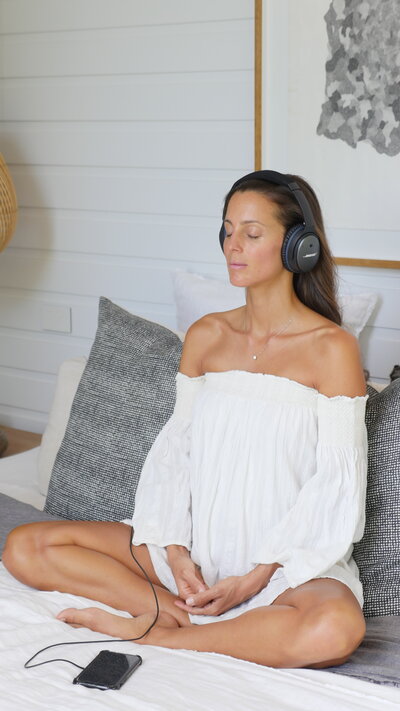
(Listen & Subscribe on Apple Podcasts, Stitcher, Spotify, iHeart or TuneIn)
What if the thing you’ve spent years trying to fix about yourself is actually your greatest asset? That’s the question at the center of this conversation with Alexandra Wombwell-Povey, ADHD coach, entrepreneur, speaker, and mother. Alexandra takes us inside her journey to an adult ADHD diagnosis and how it rewired the way she sees herself, her business, and her worth. We get into why so many women are only discovering they have ADHD now, what motherhood with ADHD actually looks like behind closed doors, and how she rebuilt her entire business to work with her brain instead of against it.
Whether you’ve been diagnosed, suspect you might have ADHD, or just want to understand how different brains work, this conversation will hand you a new way to see yourself. If you’ve ever felt like you were built wrong for the life you’re trying to live, press play.
About Alexandria Wombell-Povey
Alexandra Wombwell-Povey is an ADHD coach, entrepreneur, speaker, and mother who helps women understand, embrace, and thrive with their ADHD, after receiving her own diagnosis as an adult and discovering what it meant to finally work with her brain instead of constantly fighting it. Through her coaching, education, and online community, she shares practical strategies for navigating motherhood, business, relationships, and everyday life with more confidence and self-compassion, with a mission to help women replace shame with understanding so they can build lives and businesses that actually fit who they are.
In this episode we chat about:
- How one diagnosis rewrote everything Alexandra thought she knew about herself and her business (2:48)
- The real, unfiltered story of parenting and running a business with an ADHD brain (7:32)
- Why so many women are only discovering their ADHD now, decades later than they should have (11:35)
- The signs you might have ADHD and never realized it (13:28)
- Why getting diagnosed changes everything, even if you never take medication (15:12)
- The hardest, most unspoken part of mothering with ADHD (16:41)
- The daily rituals keeping Alexandra grounded when her brain wants to spiral (19:00)
- Why stepping back from work broke something in her, and what she learned from it (21:19)
- Inside the business overhaul Alexandra did to finally stop working against her own brain (25:40)
- My own ADHD brain mapping results, and the masking I didn’t know I was doing (27:55)
- Alexandra’s redefinition of success, and why hers looks nothing like it used to (31:08)
- The one book she thinks every kid should be handed at school (34:09)
- A look inside her actual daily routine, and how she protects it (34:59)
Episode resources:
- Work with me (use the code 2026 for $500 off your first session)
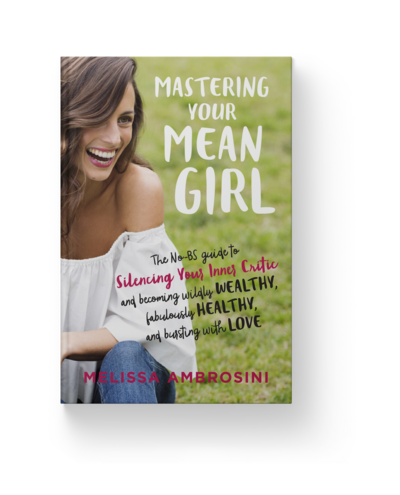
- Mastering Your Mean Girl by Melissa Ambrosini (book)
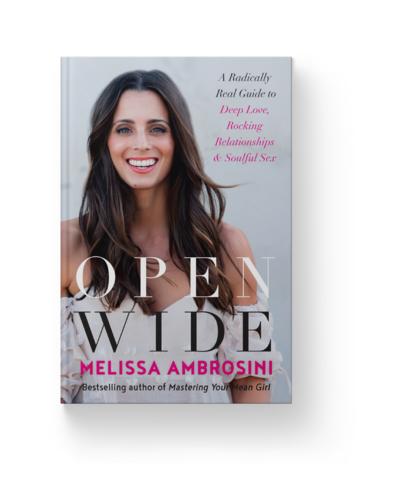
- Open Wide by Melissa Ambrosini (book)
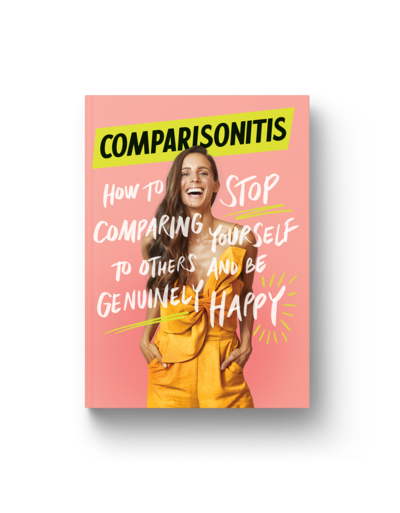
- Comparisonitis by Melissa Ambrosini (book)
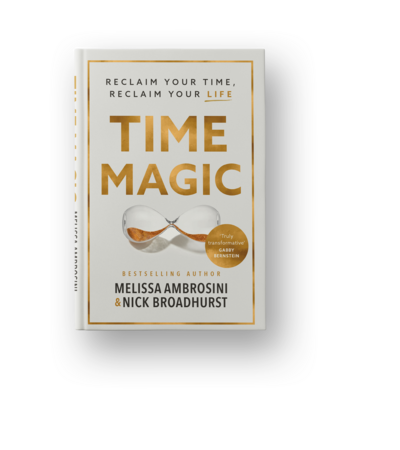
- Time Magic by Melissa Ambrosini and Nick Broadhurst (book)
- Alexandria Wombwell-Povey (Instagram)
- It’s Upgrade Season (podcast)
- Brain Mapping (website)
- Stolen Focus: Why You Can’t Pay Attention–and How to Think Deeply Again by Johan Hari (book)
Prefer To Read?
The following transcript has been automatically generated and not checked for accuracy.
Melissa: [00:00:00] The Melissa Ambrosini Show. Welcome to the Melissa Ambrosini Show. I’m your host, Melissa,
best-selling author of Mastering Your Mean Girl, Open Wide, Comparisonitis, and Time Magic.
And I’m here to remind you that love is sexy, healthy is liberating, and wealthy isn’t a dirty word. Each week,
I’ll be getting up close and personal with thought leaders from around the globe, as well as your weekly dose of motivation so that you can create epic change in your own life and become the best version of yourself possible.
Are you ready, beautiful? Hello, and welcome back to the show. I’m so excited about this episode because it truly felt like I was just sitting down with a longtime friend, having a cup of tea and a chat, and deep diving into all things motherhood, business, and everything in between. So I’m so excited for you to hear this conversation.
And if you have never heard of Alexandra [00:01:00] Wymwell Poovey, she is a content creator and speaker known for her honest conversations around motherhood, lifestyle, and living with ADHD. Now, through her content, she explores identity, ambition, and what success looks like in different seasons of your life, especially after becoming a mother.
She is a self-proclaimed retired girl boss, and she now shares the realities of redefining success, ambition, and identity in motherhood. And you can find her on Instagram at iamalexandramaria. And for everything that we chat about in today’s episode, you can check out in the show notes, and that’s over at melissaambrosini.com/704.
I really hope you enjoy this conversation. Let’s dive in
Alex, welcome to the show. I’m so excited to have you here. Before we dive in, can you tell us what you had for [00:02:00] breakfast this morning?
Alexandria: I did not expect that question. I actually had a vanilla Skyr yogurt. Is that how you say it? Like, the high-protein yogurts. They are so good. And I had it with fresh strawberries, and I made this, like, homemade cookie granola thing, like a healthy version, and it is so delicious.
I think it’s now become unhealthy because I’m addicted to it. So that’s what I had for my breakfast this morning.
Melissa: I love it. I love seeing all the things that you make on Instagram. It’s beautiful. It’s inspiring. I’m like, “Must cook more.”
Alexandria: Oh, do you know what, though? I, I say this, and literally just before we started record, it’s 5:00 PM and Austin is recording this, my husband came in and he was like, “Alex, what’s for dinner?”
I was like, “There’s lentils in the freezer,” like, so it’s … Don’t be fooled. We are in survival mode most of the time here as well.
Melissa: Yes. Yep. Okay, so take us back. I wanna hear how you got into the work that you’re doing now, how you got here, how the Brit lives now in Texas. Like, how did this [00:03:00] all happen?
Alexandria: Yeah.
So really the key turning point for me was I was 27 and I had a complete nervous breakdown. I had got my good girl corporate job. I was ready to climb the career ladder and do what I thought I was meant to do with my life. And one day I literally just started to cry and I could not stop. It was like the dam had burst and there was just nothing I could do.
And I thought, “I’ll pull it together. This is just an extreme case of the Sunday scaries. By Monday I’ll feel better. I’ll go into work.” Monday came, Tuesday came. I went to the doctor ’cause I, I didn’t really know where else to go, to be honest. No one explains to you where to go when you have a mental breakdown in your 20s.
And they signed me off work, and it was a real turning point in my life. I realized that I was not happy with the life that I was building, and that things really dramatically needed to change in my life in order to create a version of my life I was happy with. And that sent me down the path of entrepreneurship, and eventually into coaching as well.
So supporting women with building [00:04:00] businesses, manifestation. My business before that had been a health food business. Really going on that journey and loving it, until I fell pregnant. And when I was pregnant I was incredibly ill, and I came out the other side and I honestly just didn’t recognize myself.
My ambition had left the building. I just felt so scattered and all over the place. All the coping mechanisms I’d had before had completely fallen away. And I ended up on this journey of really having to question things to a deeper level than before, and realizing I had ADHD, explaining a lot of my past and a lot of the struggles that I’d had.
So really going on that journey, burning down my business. And on the other side, really wanting to support women now with an ADHD diagnosis, late diagnosis, sharing more about what that actually just feels like on a very human level rather than this very clinical level. But also in sharing my journey, have created this beautiful social media community that’s grown really fast.
And I [00:05:00] love helping women, so sharing with other women how to create that as well. And I’ve realized I didn’t actually, um, answer why we ended up in Austin. As part of the nervous breakdown, I left London. We traveled around the world and we ended up in Miami. Fell in love with Miami. It was jungle, it was city.
But as part of the pregnancy, I felt like Miami wasn’t quite the place for us to have a baby, and we ended up in Texas.
Melissa: Yes. Oh, I love that story so much, and I love the work that you’re doing supporting these women who have ADHD, and helping them thrive in their life. And you have grown so much on social media.
What do you think it is?
Alexandria: I think it’s the honesty. I hon- I honestly think it is, and I think a lot of people, and I really struggled with this, when if I even go online now and Google, like, what is ADHD, I don’t feel like the definition fully resonates, particularly with women. And the image that we have in our minds of what ADHD is, I always thought it was, like, this kid bouncing off the walls, and I didn’t resonate with that.
If [00:06:00] anything, I was exhausted lying on the couch feeling like all the energy had left my body, or I was like- In the zone and you could not be stopped. So I think just sharing it from a really real place of like, this is what it feels like and this is what the experience is to have ADHD, to be a mother with ADHD, to be an entrepreneur with ADHD.
I think the honesty is what’s resonated, and I think from there, just being very honest about other aspects of my life. So taking a career pause, you know, losing my ambition and just, you know, struggling with aspects of motherhood as well, and just being really honest about that. I think particularly in this age of AI where we’ve got a lot of polished content, a lot of, yeah, just very AI-written content, I think honesty’s really standing out at the moment.
Melissa: Yes. That is something that I was very drawn to your page, is the honesty. It’s so beautiful and it’s so refreshing. You speak about friendships really openly and honestly, and obviously ADHD and motherhood and [00:07:00] ambition, all of these things, and you’re right, it does make people lean in. The posts where I share very vulnerably and honestly are the posts that literally go viral.
Go viral. And then there’s, you know, the ones that you think, “Oh, that’s gonna do really well,” and you’re like, “Oh, that didn’t.” It’s so interesting how the algorithm works. But you’re right, people do really want more vulnerability, more honesty, more depth, especially in this AI world. So that’s exactly why it’s resonating.
So tell me, how did you get diagnosed and what does it feel like to be a working mother with ADHD?
Alexandria: Yeah. So I was in postpartum, and I had tried to kind of hold everything together that first year of postpartum. To put it in perspective, I ran a retreat at, I think I was eight weeks postpartum. I was als- also paralyzed during my labor in my left leg ’cause my left leg still wasn’t quite fully working.
It was temporary [00:08:00] paralysis ’cause of nerve damage, so it did come back. But my leg wasn’t fully working. I was running a retreat. I was also a bridesmaid for one of my oldest friends. I threw myself back into life and running my business and really had that determined belief that motherhood wasn’t gonna change me.
I was like so clinging to that, which I think a lot of, of, a lot of ambitious mothers do feel going into motherhood. And I really tried for that first year to hold things together, but things were just falling apart at a rapid rate. And my ability to mask, which I, I now have a word for, I didn’t have a word for it my whole life, I could hold things together from the outside so everyone would think I had it together, that I was normal, that I was functioning, that I basically had my shit together, and I couldn’t do it anymore.
The mask was just slipping constantly. I was dr- I was dropping so many plates. And I first looked at everything else. So I did the hormone, making sure my hormones were balanced, looking at my thyroid. I, I really went down that journey of [00:09:00] making sure there wasn’t anything kind of biologically going on for me that I needed to, to work with.
Melissa: And that was all good?
Alexandria: Well, no, there were things I needed to work on. For example, my thyroid was low, so I, I did the things, got my thyroid functioning, and I still kept going to my functional medicine doctor and I was like, “I feel like crap, and my brain doesn’t work, and my ability and my capacity to function is just, it, it’s constantly declining.”
And it got to a point where I closed down my business. I, I literally was at the point where I was like, “I cannot do this anymore.” Like it is costing too much, I’m falling apart. I remember I got to a point where having one meeting in my calendar would spin me out, completely spin me out mentally And so I was working with my therapist at the time, and I’d worked with her for a really long time and, and she said to me, “You know, I’ve, I’ve thought about this for a long time.
I don’t think labels can always be helpful, but I do think it will be helpful in this instance. Have you looked at ADHD and potentially getting an ADHD diagnosis?” And [00:10:00] honestly, my first feelings was very much rejection. I was like, “Do you even know me?” I was like, “I’m not bouncing off the walls. I’m not super hyperactive.
I’m not all these cliche images I have of what ADHD is in my mind.” And having explored it a little bit more with her and then, and then working with a psychiatrist, I had my ADHD diagnosis. And the, honestly, the first things that I probably honestly felt was embarrassment, a lot of shame, and then a lot of grief.
I think there’s a lot of people talking about ADHD these days and sharing more about ADHD, and there’s this almost like gaslighty part of myself that was thinking, “Are you kind of making this up?” You know? “Are you just jumping on a bandwagon to explain why you’re actually just really a lazy person, or you don’t cope as well as other people?”
That inner voice was really mean. And then when I came more accepting of the diagnosis and things started to click in place and I was like, “Oh, actually this makes sense, and this makes sense,” [00:11:00] there was a lot of grief because, you know, I was on anti-anxiety medication age 16. I had panic attacks so bad an ambulance was called when I was 14.
I struggled with my mental health my entire life and never really had the words to put to it until someone at age 32 says, “You have ADHD.” And I’m like, “Oh, it all makes sense now.” So a whole mix of emotions, embarrassment, shame, grief, before coming to a place where I feel like I’m at now, where I’m really grateful that I understand myself in this way because it helps me show up so much better for myself and for my life.
Melissa: Why do you think so many people are getting the diagnosis now?
Alexandria: Typically, the definition was based on men and/or on boys, and so they were defining how it shows up for little boys, essentially. And there’s so many different things at play here. One, women can have the hyperactive type of ADHD, where there is that very kind of like physical hyperactivity.
So I [00:12:00] don’t wanna gender it too much, but what tends to happen is men, boys have that more hyperactive element. Women have its internal hyperactivity, so it’s their brain is, like, over– there’s 1,000 tabs open all at once, all talking to you at once. And it’s really funny ’cause when I look back at things I said to my doctors at the time when I was saying, “Oh, I’m, I’m struggling with…”
and they say it was anxiety, I’d always say, “My brain’s so busy. I can’t switch my brain off. I can’t make it stop,” like, “I feel overwhelmed by my brain.” And now I can understand that more through that lens of, like, the internal hyperactivity, essentially. So- I think part of the problem was not really having definitions that understood how it shows up for women, and that can be different.
I think the second thing is, is a broader issue that a lot of women can relate to in terms of we are taught to be the good girl. We are taught to, you know, be well put-together, well-mannered, polite, and I think as wom- people please 100%, and you’re [00:13:00] essentially teaching ADHD women to mask Very, very well. And I remember there was a point where I was like, “Well, isn’t masking a good thing?”
But, like, masking has such a cost. Every time you’re masking, it’s costing you, and you’re collapsing elsewhere. Often it’s, you mask in public, behind the scenes y- you’re falling apart. So I think that good girl narrative has really fed into women covering up how it shows up for them, and then it not being spotted.
Melissa: Mm. So for someone listening who suspects, “Hmm, maybe I do have ADHD,” but maybe they haven’t said it out loud, what would you want her to know?
Alexandria: Well, I know there’s a lot of entrepreneurs listening, and it’s very common in entrepreneurs, the ADHD, ’cause it also makes us brilliant, and I think that’s where I begin is that ADHD is
And I- it’s funny, when I first spoke about this, I remember saying, “I can’t call it a superpower yet,” but I’ve got to a point now where I can. And ADHD really is a superpower. You have this [00:14:00] amazing capacity for empathy, for creativity, for thinking outside the box, for brilliant ideation. There’s so many … And hyper-focus.
When something interests you, God, you are locked in, okay? So there’s so many superpowers to it. But I think it’s such a personal choice whether you choose to pursue a diagnosis or not. For me, and I’ll share this, I found it incredibly empowering because instead of seeing a diagnosis as something that will limit you, and a label that’s slapped on you, and it’s like, “Well, I can’t ADHD,” or, “It’s my ADHD,” you can see it as a way of understanding yourself better.
And when you understand yourself better, you can create systems, ways of being in the world, just shift things in your life into an alignment that allows you to flow so much easier, to show up better to your family, to your business, to your partner, to your friends, whoever it may be. But ultimately, to show up better to yourself.
So I think I’d remove the negativity, and then very [00:15:00] personal whether you pursue a diagnosis or not. But if you do, I think it can be a really empowering thing.
Melissa: And then you can choose whether you medicate or not.
Alexandria: Yeah, 100%. Yeah.
Melissa: What is the benefit of having the diagnosis without medicating? It’s just the awareness and the more of the understanding of why you maybe are the way you are?
Alexandria: Yeah. I think it’s the understanding and the awareness and the specific tools that you can then put in place, and also because a lot of conventional wisdom doesn’t really work for ADHDers. So for example, with productivity, people s- have said for years, “Eat the frog.” Love that piece of advice. I think that’s brilliant.
Doesn’t work for someone with ADHD. If you tell me to eat the frog, I’m gonna declutter my kitchen, but after cooking six recipes, and probably planned an entire move to a different country before I’ve eaten that frog. Like, it will completely put me off. What I’m better to do is start with a small task that feels manageable, give myself a little dopamine [00:16:00] hit.
Once I’m in the role, I can get into that frog. It’s so… It, it’s, it’s things like that where actually I think having the diagnosis and understanding the way that things work can help you show up with or without medication. I have been on medication. I’m very open and honest about that. I wanna be transparent about that.
I’m someone who was very anti-medication for a while, having had horrible experiences on medication in the past, and I ge- you know, I know it’s not for everyone. It’s, it’s such a personal choice. But regardless of whether you choose to medicate or not, I think having access to the knowledge of how your brain works and then being able to support yourself better with that, I think, I think that’s the key
Melissa: Mm, absolutely.
Motherhood and ADHD is a conversation that we don’t hear enough. Like, you are waving that flag right now, which is really beautiful. What are the parts of mothering with ADHD that feel the hardest, and what have you learned that actually helps you?
Alexandria: [00:17:00] Ooh, where do I begin? It changes at each stage, in the same way that motherhood changes at each stage.
I would say early on, sleep deprivation was really hard, because there’s already links between ADHD and not having great sleep, and we all know the impact of bad sleep on us. So it would really exacerbate my ADHD symptoms. I remember I reversed my car into a car literally behind me.
Melissa: I love that for you.
Love it.
Alexandria: Yeah, great. The, the impact of seven months of sleep deprivation, literally just reversing. It wa- I would love to say it wasn’t obvious. It was so obvious. You know, if I’d just l- just s- yeah, anyway. So different things at different points. I think the sleep deprivation in the first year, particularly hard.
I think going into the toddler years, where I’m at now, a lot of it is, for me, is the sensory stuff. So you know, if my toddler’s screaming at me and the dog is barking, and God forbid, my husband’s put some music on in the background, and then I’m trying to make a decision of what we’re having for dinner, it’s like whole system meltdown.
I [00:18:00] cannot function. And I think with that, you know, the regulation and the transition for me is something that is particularly hard as well. So how do I regulate myself in that moment? How do I take that beat, take that pause? It’s already hard for us to take. And how do I be a present mother whilst also looking after myself in that moment so I can be that present mother?
I think the mental load, which all mothers experience, all mothers experience the mental load of the 1,001 things that we have to balance as mothers. When you add that to a brain full of 1,000 tabs already, it really just feels like it completely can explode. And I’ve experienced more ADHD shutdown where essentially your system goes, overload, overload.
I always think of it as, you know, the wheel of doom you get on your computer when you’ve opened too … Like that. So I get the wheel of doom more than I ever did in my life in motherhood, just because there are so many tabs open. So yeah, a multitude of things, and I think it shifts at each, each stage, but I’d say those are the most kind of pressing things that I’ve experienced at this [00:19:00] point.
Melissa: What are your daily rituals and habits that really support you?
Alexandria: Yeah. I think one of the biggest things that I’ve put in, which is, it sounds so simple, but has genuinely changed my life, is transition time. So as someone who was an entrepreneur and prided herself on being very productive and doing 1,000 things at once, felt very alien to me to slow down, take breaks, and have pauses.
And honestly, if I’m in a hyperfixation and I’m, like, in something, I will forget to eat, drink. My husband will come in, you know, “Have you had drank any water?” “No.” So it doesn’t feel natural for me to take breaks necessarily, but giving myself those breaks, having those transition times, and really looking after myself, I’ve noticed I manage my energy better.
And because of that, the crashes are so much less frequent. So a big thing is putting in transition time. Another thing is knowing when to tap in and out with my partner, and this is a kind of more motherhood-specific one. I [00:20:00] would try and force myself to stay when my brain has stopped working and stay in the room and be present and, and all the things.
And actually, so often now, if the situation allows, I will say to my partner, “Hey, I need five minutes. I’m gonna tap out.” I’ll tap back in when I’ve had five minutes.” And he’s like, “Yeah, of course.” And it’s so simple, but I think as mothers, we hold ourselves to these impossible standards of like, “No, I should be able to hold it together.
No, I should just be able to stay here.” And I, you know, honestly, I demo- I’m not a parenting expert, but I also demonstrate that to my son time, sometimes and say, “Mommy needs five minutes to go look after herself. She’s gonna have five minutes. She’s gonna come back.” And I feel like that’s a healthy thing that I can share with him.
So I’d say transition time, I’d say tapping in, tapping out. But another thing, honestly, is just restructuring my whole life to not be doing as much. I would describe me and my husband as big life people. There’s always a million things going on at once, and honestly, probably in my life right now, there are a million things going on at once.[00:21:00]
And, you know, previously I was running multiple programs within my business, multiple things at once. You know, I was, I was trying to be here, there, and everywhere. Really stripping it back and creating more spaciousness has, has really given me that, that time that I needed and that rest that I need, particularly in this period of my life.
Melissa: How long did you step back for? How many years? And was that really challenging for you?
Alexandria: Yeah, I stepped back for a year and a half probably. And honestly, it, it was a total mental spin-out. I have seen my worth tied to my success my entire life. I was the kid who was praised for performing well in school academically, so I would push and push and push myself to do so.
I got my degree, I got my master’s, I got offered multiple grad jobs. I, I just always tied being lovable and worthy to creating success, and then I naturally transferred that into my business. So I am worthy, I am interesting, and I’m [00:22:00] lovable because of my business. And stripping that away from me, I, I didn’t know who I was without my business, honestly.
And it may be that sounds a little sad to hear, but that is my truth. I genuinely did not know who I was without my business. Added to that, I went from girl boss, earning good money, hyper-independent, to saying to my partner, “Hey, do you mind holding it down financially for us whilst I take a break for a while?”
That was, like, a huge hit to my ego, you know? Like, I, I took pride in doing so well financially and, and having that element of my business as well. So multiple hits, multiple identity deaths. It was incredibly hard. It was incredibly necessary for me. Everyone’s gonna be different. I think for me, I’d had so many things compound.
I’d had a really traumatic pregnancy, a really traumatic labor. I was struggling with things that I’ve been struggling with my entire life, but as any mother will know, r- ADHD or not, motherhood brings it [00:23:00] to the surface ’cause your capacity is so much smaller. You have all this extra capacity before you’re a mother to maybe have those energy leaks, and you can kind of make up for them.
Suddenly, when that’s gone, it’s like, oh, I, I, I can’t pretend anymore. I can’t hold this anymore. So for me, it was incredibly necessary even though it was hard.
Melissa: Mm. Looking back, do you think, “I’m so glad I did that. That was the best thing I ever did”?
Alexandria: 1000%, and I remember, and I, I don’t really ever share this, but I don’t attach myself to a particular religion, but there was what I can only describe as a god-like voice one night, and I remember I was going to sleep, and I, I cried myself to sleep for many, many nights.
I genuinely believed I was so broken that I was never gonna run a business again. I was never gonna be successful again. I was never gonna do anything with my life again. It genuinely broke me. I felt so lost and so confused, and I was crying myself to sleep, as I did many nights, my poor husband, going, “What am I doing with my life?
What’s gonna happen [00:24:00] here?” And I remember hearing this voice, and it said, “You have to let go of the small stuff because something big is coming.” And I really had to hold onto the trust of that for a really long time because nothing bigger was coming for a really long time. If anything, my world kept getting smaller and smaller and smaller and smaller, and the real challenge was, how can I love myself no matter how small it gets?
How can I keep loving myself no matter how unsuccessful and unimpressive I am? How can I keep loving myself even when I’m hurting, even when I’m in grief, even when I’m struggling? And loving myself through that process until I got to the other side, and then, yes, things start to come around again, and things feel much bigger than they ever did for me.
I had to go through that kind of shrinking first.
Melissa: The rebirth. Yeah, motherhood, it just, it is a rebirth. The word matrescence, you know, it is a huge upgrade, peeling back of the layers. [00:25:00] Everything comes to the surface. It’s like nothing I’ve ever experienced before. People say, like, “Oh, you must be so busy, and your work is so busy and stressful.”
I’m like, “Work is easy” Work is like a vacation. This is a holiday for me.
Alexandria: Yeah, because you know what you’re doing. You’re successful at it. You have your patterns and whereas y- in motherhood, every day is a new experience. And then every, I feel in motherhood, every time I’ve nailed something, and I’m like in a period where I’m like, “We’ve got this down,” they have a development leap or something changes and you’re like, “I don’t have this.
What, what is going on?”
Melissa: Absolutely. Absolutely. You say you are a retired girl boss. Let’s talk about that. So tell us your business model now. What are your offers? How do you run your business differently now since being diagnosed with ADHD?
Alexandria: I feel like it’s really interesting answering this question ’cause I think I’m answering from a place that most [00:26:00] people never answer from, and that most people answer on the other side of a transformation, a journey, and they’re like, “I’m here.
This is what I’m doing, and I feel very clear on this.” I still feel in the space of letting myself explore, and follow my joy, and follow what feels good, and build very slowly, very sustainably, which is basically the complete opposite of how I’ve ever built a business before. So right now, one of the biggest things that I’ve been focusing on is content creation and building this beautiful community.
And there’s kind of two paths available to you in content creation. One is working with brands and I guess going more down a, a, a… What people call kind of an influencer route. And then there’s the educational businesses, the, you know, the, the coaching businesses, that kind of side of things. I know there’s a multitude of others, but those are the two pathways that, that felt open to me.
And I’m kind of straddling both at the moment and exploring what feels fun. I’m doing some work where I’m working with brands. That feels fun and creative, but I’m also… I [00:27:00] said I wouldn’t go back into coaching, but I am coaching, you know? I discovered this world of content creation and building in this really authentic way, but also in a very rapid way, and I wanted to share that with other women.
I can’t help it. There’s just something in me when I discover something and I know how to g- how to do it, and I know how it works, and I know I can teach it to other people, I wanna share it. I’m like, “You need to know about this. I wanna help you with this.” So I’ve been helping other women with the content creation side of things, and I think the next piece for me will actually be creating more specific offers for ADHDers out there because I provide a lot of content for free on that, and I will forever do that, you know?
I- I’m grateful to the content that I consumed when I had my diagnosis, but I’d also love to be able to go a little bit deeper and support on a bit of a deeper level. So I think that will be the next piece for me in, in bringing it together.
Melissa: Mm. I love that so much. It’s so beautiful. There’s a video that I saw on your Instagram of you with the [00:28:00] cap on, you saying something like, “Have I been faking my ADHD?”
Tell me about that. Is it a brain scan? Tell me about that.
Alexandria: Yeah, so they do brain mapping, and this w- this is one of those kind of, like, interesting pieces where working with brands and, and exploring that side of things’ been really interesting ’cause I’d never heard of brain mapping before. And they essentially literally map your brain.
So you can do it remotely. I decided to do it in person because I kind of want, wanted the full experience. And they map your brainwaves. They give you this download, which honestly looks like I, I don’t even know. I don’t know, even know how to describe it. Runes to me. And they read this map of your brain, and they can spot all these different patterns, and it was unbelievably fascinating to me because one of the things they did say is a lot of people think they have ADHD, and it’s not necessarily ADHD.
I had very ADHD patterns in my brain, but I did also have other [00:29:00] patterns that they could spot, so they could spot depression, trauma, anxiety. The things that they could see honestly blew my mind, and what I really love about that is I, I am a believer in medication. I know not everyone is, but I also am a massive believer in other things as well, and doing other things to support yourself, and this is a really beautiful way where they actually help you with brain training to support patterns in your brain that will help you with things, for example, like focus, and help you move out of those anxiety patterns or those trauma patterns, help you move out of that fight or flight pattern.
And the best part, to be honest, is the training is so easy. So you put on this headband, you connect to the app, and you’re watching YouTube videos, so unexpected. You’re watching these YouTube videos, and they basically go darker and lighter, and they go down in volume and up in volume, and this is how you’re training your brain.
So it’s a really great opportunity as well. I’m assuming most [00:30:00] people who listen to the podcast honestly are happy to go there. I’m one of these people who’s always happy to go there. But say you have a partner who isn’t open to therapy or a family member who isn’t open to therapy. They said they work with a lot of first responders, for example, who don’t wanna sit and talk therapy and, and talk about everything they’ve experienced, but they do wanna support their brain through it.
It’s a really beautiful option for that as well. So yeah, I think it’s, I think it’s a really brilliant thing to explore if you are interested in mental health, but also just, like, like, power as well, like, what, what we can do to power up our brains.
Melissa: My gosh, I wanna do it. I am so curious
Alexandria: Yeah, it’s, it’s fasti- honestly, I feel like, you know how things go through different phases where people are like, “Oh, I had this read, I had this read.”
I really feel like the next thing is gonna be brain mapping and people are reading their brain maps because it’s fascinating.
Melissa: Yes. I’m like, where can I do that? How do I find out where I can do that?
Alexandria: Well, I think brain mapping, search and brain mapping. I know the place that I did it, do it remotely as well.
So I think there’s lots of options. But, um, yeah, it’s fascinating.
Melissa: [00:31:00] So cool. I’m definitely gonna look into it. I am fascinated with this stuff.
Alexandria: Send me your results when you do- … ’cause I wanna know.
Melissa: Yes. Yeah. What is your definition of success now? I’m sure it’s evolved and changed over the years, but what’s your definition of success?
Alexandria: My definition of success now is a peaceful life and feeling a deep sense of safety and trust within myself. So it’s no longer the big shiny life, it’s the simple things. It’s being able to have dinner with my son, to appreciate the garden we’re in, to appreciate time with my husband, to have work that fulfills me and lights me up, yes, but not basing my entire identity or worth on it.
And I think outside of that, really coming back to something that I actually used to have when I was younger, which is this sense of safety and trust in myself, and just knowing you could take everything away and I’m gonna be okay. You know? Like, I, I’ve got me, and this is gonna be, [00:32:00] it’s gonna turn out good no matter what happens.
Melissa: Mm. That’s beautiful. And how beautiful to teach our children that as well.
Alexandria: I, I hope I can. I really hope I can. I think that’s one thing that I wanna take from how I grew up necessarily, like kind of linked to how I grew up and- I think maybe it’s different to some parents. I know for some pe- and this is zero judgment on, on what your preferences are, but I know there’s a lot of focus sometimes on making our kids the best they can be, and I really think for me, that version of that for me is actually just letting him be the happiest and the most him version of himself that he can be, no matter what that is.
So if he wants to be an artist, great. If he wants to be a lawyer, great. Whatever it may be, I don’t really care. I just want him to be happy and to love and trust himself.
Melissa: Mm. Yes. I feel like now more than ever, like, we’ve got to really work on strengthening their inner trust, their [00:33:00] inner confidence, their self-esteem.
Like, these are the things that we really need to focus on, because as they go out into the world, this digital social media world, like, we didn’t grow up with social media, which I’m very grateful for, but who knows what it’s gonna be like when they get older. And I just think one of the most beautiful things we can do for them is just building that inner confidence, building that inner trust, that self-esteem, all of those beautiful things.
Like, if we can just strengthen that, then whatever happens outside of them will just kind of ricochet off them.
Alexandria: Yeah. I love that, and I think it’s, it is so important in the age of social media, and I don’t wanna go too doom and gloom, but I was hearing horrific stats on suicide rates for kids with smartphones.
And it’s not necessarily the phone itself, but it is the social media. It’s everything that they’re being, you know, that, that, that they’re coming [00:34:00] into touch with. And I think, like you say, having that sense- I love that visual is everything kind of ricocheting off. It, I think it’s more important than ever.
Melissa: 100%. Let’s pretend you have a magic wand, and you can put one book in the school curriculum of every high school around the world. What is one book you would choose?
Alexandria: I am an absolute bookworm, so this is, like, the hardest question for me to answer ’cause there’s a million I would choose. But I think based on the, what we’ve just spoken about, it’s probably Stolen Focus by, I’m not entirely sure how to say his name, I think it’s Johann Hari.
He’s a really brilliant journalist, and he did this mass research into how phones, digital items are stealing our attention and stealing our focus, and it was very, very eye-opening. And I think given the conversation that we just had, that’s what I’d insert so people are aware, and they can use it more mindfully.
Melissa: Mm-hmm. Yeah, I love that. I’ll link to that in the show notes. [00:35:00] Talk us through a, quote-unquote, “typical day in your life.” All of your little rituals and your routines from when you wake up to when you go to bed. I love hearing, like, how people move through their day. So can you talk us through a typical day?
Alexandria: Yeah. Old me’s laughing at this question, ’cause old me was, like, waking up and having, like, a 90-minute m- morning routine.
Melissa: Oh, yeah.
Alexandria: And, and
Melissa: my morning routine was my son screaming this morning. That was my wake-up. You know, I was listening to a podcast as I was having a shower, and this podcast was talking about nervous system and getting off the addiction to our phones, and stress, and all these things.
And he was like, “You know, the first 30 minutes of your morning are so important. You know, you wanna stay off your phone.” And, like, we all know this, right? And I was like, but what if your first 30 minutes are literally a child screaming and crying? Like, there ain’t no meditating or breathwork then. You know, and some mornings that’s how I will get woken up, by one of my children, and some mornings [00:36:00] I do have that time for myself.
But it’s so interesting.
Alexandria: Yeah, I’m so with you on this. So I’ll, I’ll give you today because today was not my dream morning, and it’s the same. Some mornings I get up early and I do have a kind of little dreamy time before Leo’s awake. This morning was being woken up with, “I need potty.” So I woke up to the screams of, “I need potty” through the monitor.
My husband went up. He’s a lot more springy in the morning, so I’m grateful for that. He went up, and a new practice that I’ve started to do, which I think is a really beautiful one, is just taking a few moments in bed. Now, it does require a partner who’s springing up to get the toddler, so I will be honest on that.
But just taking a few moments in bed to just, like, really feel into my body and just be in my body. So feeling where my body’s connecting with the bed, really feeling safety, where it feels warm and comfortable. And then when I’m opening my eyes, I really try and focus on small spots of beauty in the room.
So we [00:37:00] have some plants in the corner, and it’s always just a very, like, beautiful little corner of my room. That’s often somewhere where I’m focusing. And I just try and take a few moments to take that in, to really orient myself around safety, to really orient myself around beauty and joy, and it’s this really micro moment that’s made such a shift in my nervous system, honestly.
So I did that. My son came down. I have my cup of tea. I have this really specific tea that I drink, which has become a ritual for me. And I think this is another tip for, like, busy women, mothers. I’ve, I’ve found a lot of ritual in the small moments since becoming a mother. So I have loose leaf tea, and I have this beautiful loose leaf tea that I love, and I make my tea in the morning, and I sip my tea whilst my son’s having breakfast.
We sat outside today ’cause it was nice and cool, and it, it, yes, it’s not a meditation or a, you know, a, a practice, but actually just mindfully having that tea and being present with my son is one of the most beautiful meditative practices of my entire life. [00:38:00] So I did that, and then I switched over with my husband again.
I went and had a shower. I got out the shower, and I got really into those little lymphatic drainage routines that people do, you know, those little five-minute routines. So I did my little five-minute routine. I made myself some breakfast and was with my son again, and then our childcare came in. So we do a nanny share with our friends, which we’re really fortunate to do, and then that’s when my kind of work day began.
Do you want my full day or just my morning?
Melissa: No, full day. Keep going. Do you have a nanny every day, and how long does the nanny stay for?
Alexandria: Yeah, so our nanny comes in at 8:30. She leaves at 5:00. We have her every day, and I would say I like that because we also have, like, a bit of flexibility with that. So the kids are in the house, so if my son’s having a hard time, I’m there.
I’m getting involved. Also, if there’s just a fun moment, you can go and kind of get involved. Like, sometimes they’re just playing the funnest games, and you just wanna go play for a little bit.
Melissa: And are they all at your house?
Alexandria: So we do swaps with our friends, so they’re here every other day, which is great because you get the joy of them being [00:39:00] here, and then when they aren’t here, those are my days where I’m, like, filming, I’m, like, getting everything done.
It’s kind of like a bit of a hustle. So we have a bit of both. So she comes in, and then tr- I, I literally need my calendar up to be like, what was the first thing I did? I had a therapy call. So I had my therapy call at 9:00, and then I had a call for my Instagram program that I’m running. I had a half an hour in between because I’ve learnt about transitions, so had my transition time, went on to my coaching call.
Then I made myself some lunch, and then this afternoon, I was packing and writing content. We’re going on a big trip next week, so trying to get ahead instead of last-minute panic. I did some content writing, and then I’m here with you, and that’s my day so far. And then this evening it’ll be dinner all together, go for a walk all together, walk the dogs, a little bit of playtime, and then I always read my son his books before bed.
So we’ll do books, bed, and then it’ll be my time again.
Melissa: Mm, that’s so beautiful. And he’s three years old, is that right?
Alexandria: Yeah, he’s three.
Melissa: Beautiful. I love it. [00:40:00] I have a Leo as well. He’s my stepson.
Alexandria: Oh, I lo- how old’s your Leo?
Melissa: He’s 20.
Alexandria: Oh, wow, okay. I love that. But I love that ’cause at least you’ve got some knowledge to, like, guide through the process.
Melissa: Yes. Honestly, yeah, being a stepmom for years before I had children, it’s like training wheels, you know? You get to kind of see what it’s like. But it is very different when you have your own. And when I met him, he was seven, so he was well out of the Nappies and sleep deprivation phase. From the moment I met him, he slept through, so that’s been wonderful
Alexandria: That’s been a nice initiation.
I think it’s so beautiful having that dynamic as well, though, ’cause my, I came from a very kinda like, you know, my parents are still together. There’s a big age gap between me and my sister, but my husband has two half-brothers. He has a half-brother and a half-sister, and he has his brother as well, and it’s just, there’s just more love to go around.
It’s just such a beautiful kind of… [00:41:00] Yeah, so I think that’s really beautiful to have that.
Melissa: Yeah, and he is just the most beautiful, beautiful young man, and he loves our kids so much. Like, he just, you know, he loves and adores them and just, he’s such a beautiful big brother and yeah. So I’m very grateful for that.
Alexandria: I bet they think he’s just, like, the coolest guy in the world as well.
Melissa: Oh, yeah. So for my five-year-old, she loves him. Like, my one-and-a-half-year-old loves him, too, but, like, he’s still little. But Bambi absolutely loves him, and he’s got a girlfriend who’s, you know, been around for years, and loves her. Like, genuinely, like, does not want them to leave when they leave.
Like, why can’t they live with us? It’s very sweet, and she is so beautiful with them as well, so I feel so grateful that they just all love each other. It’s, it’s really beautiful.
Alexandria: That’s so gorgeous. I still remember that feeling as a little girl, to be fair. Like, [00:42:00] when there was the cool older girl around, you’d be like,
Melissa: Yeah, I had it with, like, I had an older girl cousin, and I thought she was so cool.
Alexandria: I love that.
Melissa: Okay. I’ve got three rapid-fire questions for you now. Are you ready?
Alexandria: Yeah, I’m ready.
Melissa: This is gonna be interesting ’cause you said you were in the health industry. So what is one thing that we can do for our health today?
Alexandria: Ooh, I’m gonna give a controversial one. My current phase that I’m in, where I’m with my health journey, is just relaxing a little bit more.
Not overly tracking, not over-reading into every time I eat something what’s happening in my body. Just trying to be a little bit more chill and a little bit more present to the experience rather than micromanaging every experience. I’m still pretty crunchy. If you go in my cupboards, you know, it’s organic, diet, all, all the rest of it.
But I am overall trying to be a little bit more relaxed.
Melissa: Yes, I love that so much. I took my Oura [00:43:00] Ring off. I was like, “I’ve got little kids.” Like, there’s no point in me looking at my data. Like, I’m getting woken up, not every night, but, like, you know, if it’s not one of them, it’s the other one.
Alexandria: Have you written a post on this yet?
Melissa: No, I haven’t.
Alexandria: Please write a post on this because I wanna hear about… And, and I’ve been thinking, should I take my Oura Ring off? It’s been a question in my head.
Melissa: I took it off. I was like, seriously, like, what is the point? Like, to tell me a score, it was completely irrelevant. Like, I’m still gonna go and exercise.
I’m still… Like, you know, the readiness score’s only, like, 50. I’m like, whatever. Like, I’m still gonna go for a walk, like, even if this thing says it. You know what I mean? And I’ve seen people that are like, “Oh, my readiness score,” are like, “That means I don’t do any exercise today.” I’m like, yeah, but what about your mental health?
Like, just go for a walk. It’s so good for your mental health. So yeah, I ditched it. I ditched it.
Alexandria: Oh, I, you are giving me inspo now. For me, it’s my stress levels because did [00:44:00] have PTSD. My stress levels were slightly high, but I would look at it and it would literally be like, “You’ve been in a high-stress day.”
And I’m like, “I now feel more stressed about my high stress.” Like it’s this vicious cycle. So I wasn’t actually wearing it the past month for other reasons, and I felt so much more relaxed. So I’m like, “Maybe I should just take it off. Maybe it’s time to break up.”
Melissa: Yeah. Break up with it. If you do a post on it or if I do, I’ll tag you in it because it was making me more stressed.
I’m in the little kids season of my life, like I can’t control if they’re teething or, you know, whatever’s happening. So I just was like, “I’m taking this off.” And my husband’s like, “You should put it back on.” And I’m like, “No.” It just didn’t make me feel good. It added to the stress.
Alexandria: Yeah, exactly. You’re inspiring me here.
I think maybe it’s time for me to break up with mine, too.
Melissa: Yeah. But I love that answer. Rest, rest, rest. I am so much more intentional about rest since having kids and working and feeling very nervous system fried after having my [00:45:00] second and postpartum depletion and all of those things. Do I get it every day?
No. But, like, I do think about it. And even if it’s just at nighttime, my husband and I, we will lay watching something on the iPad. We don’t have a TV, but we have an iPad, and we just put our legs up the wall. Like something so simple like that, where it’s just like calming for the nervous system, you know, little things like that, that we can do.
So I love that one Okay, next one. What is one thing that we can do for more wealth in our life? So more abundance.
Alexandria: I am a massive believer that actually the less that we have and the more intentional we are with the things that we have, the more abundant we feel. So what I mean by that is, I’m gonna give an obscure example, but it- the girls that get it will get it.
I went through my tea cup cupboard, and I am English, I love my cup of tea, but I- for who it might be coffee for you or your matcha or whatever it may be. And I got rid of all the mugs I didn’t like, [00:46:00] and I just kept these beautiful, handmade, gorgeous clay mugs that we found from this beautiful maker in San Francisco on a trip.
And I just kept those mugs, and I feel so much more abundant than I did when I had a multitude of mugs that were from all different places. And I really feel like I am in this season where I’ve realized, like when you have less, you can appreciate it more. And when you have less, you can often focus on having something that’s better quality or something that you love more, rather than a multitude of things that you actually don’t like.
So another good example might be for a woman, if you’re that person that has like 15 million body creams and they’re cluttering your drawer and they’re all half used, and some of the lids have gone a bit manky and it, it, it doesn’t feel like an experience. Imagine having an empty drawer, but a beautiful part of this gorgeous oil or cream or whatever it may be on your counter that you love to use.
It feels like a real luxury moment after you’ve, you’ve got re- got out your shower or you’re getting ready. [00:47:00] That feels like wealth to me at this point in my life. It’s, it’s less, but more depth and intention with it.
Melissa: Mm-hmm, like real quality.
Alexandria: Yeah.
Melissa: Hmm. Yeah. Beautiful. Yeah, I love that. I love that so much.
Something that my husband and I are really intentional about is like everything that comes in the home Has to have meaning because we vote with our dollar as well. Like, every time we are buying something, we’re saying that we believe in that company, we believe in their ethos, we believe in, you know, that brand or whatever it is, and that’s really important to us.
So we want everything that enters this home to be of quality, and we don’t have a lot of stuff. Like, we are very minimalist. Like, people have seen our home and they go, “Wow, you guys don’t have a lot of stuff,” and that’s very intentional. I think for me as well, mess and clutter, it overwhelms me. I don’t like it.
This morning I came in to my office and my daughter has made, [00:48:00] like, beautiful Lego things, and it’s all over my desk.
Alexandria: No, not the Lego.
Melissa: And there’s, like, huge creations. They’re all right beside me right now. Huge creations and, like, I thought it was beautiful, but I’m also like, “Okay,” like, “I need to, like, move this clutter.”
Like, it’s all just a bit much for my nervous system. I think being a mother, like, our senses are so heightened. You know, our sight, our smell, our sound, our touch, all of those things is just so much more heightened. I know for me personally, that’s definitely been the case since having kids. And so for me, like- Minimal, clean, organized, just is so good.
It lights me up
Alexandria: I wish I could visit your house when you’re saying this. I wish you were closer ’cause it just sounds amazing. But I, it- there’s actually studies on this. You might know this already, but there’s studies on women and stress, and clutter genuinely has an impact on our [00:49:00] stress levels. We’re not just imagining it, it is a physiological response to clutter.
So I’m totally in that camp with you. I think clear spaces, clear mind feels good.
Melissa: Yes. I love that. Okay, last one. What is one thing we can do for more love in our life? I feel like the world needs so much more love. We personally need to give ourselves more love. We need more love in our life. So what can we do?
Alexandria: The first word that comes to mind for me here is just curiosity. So instead of jumping to where we disagree with people or jumping to beating ourselves up about something that we’ve done or not done, just being more curious with others and with ourselves. And I often find that if I can move beyond defensiveness and move into curiosity instead, I can find more points of connection versus finding the million reasons why we’re different.
And I think from that place, you’re really connecting back to love. So I think it’s a practice with others. It’s a practice with myself. Am I perfect [00:50:00] with it? Absolutely not. But it is something that I’m really trying to do, be more genuinely curious, and from that place, I do normally find that love can emerge much more easily.
Melissa: Mm-hmm. Absolutely. So beautiful. This has been so amazing. Where can everybody find you, learn more about you, discover your work?
Alexandria: So I’m over on Instagram at iamalexandriamaria, and I’m there probably more than I should be, but I’m, I love being on there, so that’s probably the easiest place to find me these days.
Melissa: Yeah, beautiful. We’ll link to that in the show notes as well. Is there anything else you wanna share with us, or any last parting words of wisdom?
Alexandria: I just wanna say thank you for bringing me into your beautiful energy. Like, your energy is radiating from the screen. I hope people can get this when they listen to you as well, like you’re truly glowing, so thank you, ’cause it’s just been so beautiful to just…
I think as a mom, I don’t always get interactions with my friends. I don’t get to go out for coffees quite as easily, so getting to sit and have this chat with you has been a real treat, so thank you.
Melissa: Oh, you are so welcome, and I feel [00:51:00] the same about you, and when I first discovered you online, I was like, “She is a breath of fresh air.”
Truly, you are a breath of fresh air, and I love your honesty and just everything that you’re putting out into the world. It’s so beautiful. And we’ll have to just work on teleportation so you can come here and have a cup of tea. But it is, you know, it’s so important as mothers, for a lot of us, the social aspect gets pushed down the bottom of our priority list.
We’ve got our kids, our husbands, work, all things that we love, and we love socializing too with our friends, but it often gets pushed down to the bottom. But it’s so important for our mental health. Oh my God. And I’m speaking to myself here. This is why I go to the gym, because that’s my time with my girlfriends.
So this morning, my two girlfriends and I, we were laughing our heads off, because we’ve all got, one of them’s got three kids, the other one’s got two, and I’ve got two, and we’re all just like [00:52:00] talk- ‘Cause one had a really rough sleep night with her kid. I had a rough night with my kids. The other one, two nights ago, didn’t get any sleep, and we were just laughing our heads off in the gym class.
And you know, the trainers, they’re so accepting of us now, but at the start they’re like, “Less chatting, girls. More working out.” And I’m like, “You don’t understand. Like, this is therapy for us. This is the day spa. Like, we are in the day spa right now.” And he was like, “Okay, I get it.” So now they just, like, let us chat.
They had another trainer today, a female, and she was like, “Lots of chatting today, girls.” And I was like, “Absolutely.” And she’s like, “No, you go for it. You chat as much as you want.”
Alexandria: Yes. I love that. I love… Honestly, you know, I, I think this is where I was saying earlier about, like, the balance as well. Like, therapy’s great, but a good natter with your friends as well is, is highly therapeutic.
Like, it’s so good for you, and I’m glad that you’ve reminded me of this as well, ’cause I’m, I’m due to go, go on a little cinema date with my friend this weekend, so I’m gonna [00:53:00] get that sorted and in.
Melissa: Yes. What are you gonna see?
Alexandria: We are gonna see, this is actually quite a funny story. We went to go and try and see The Devil Wears Prada 2 when it first came out, but she has baby brain, and she’d booked the tickets for a completely different day.
So we, like, fully went to the cinema, we, like, got to the front, we gave the man our tickets, and he was like, “Girls, this is for, in, like, two weeks’ time.” And we were like, “Oh. Oh, okay, cool.” So about a month and a half later, we’re now gonna go see Devil Wears Prada, but on the right day this time. And I said I’ll book the tickets.
My brain’s not that reliable either, but I’m, I’m gonna try and book the tickets.
Melissa: It is so good. It’s so good. I saw it a few Sundays ago with one of my girlfriends, and I had not been to the cinema in about six years. So it was so fun. I felt like it was like Christmas Day for me. To have, like, two hours of uninterrupted, like, time just to myself, it was just so delightful.[00:54:00]
We were just laughing and laughing and laughing. And, you know, it’s just, this is just such a nice reminder to prioritize, you know, those beautiful relationships in your life. And make the effort, make the phone call, make the date, and do it, because it is so good for your mental health. So, and this, for me, this is so good for my mental health, having these chats with you.
So thank you for being here. I love the, the work that you’re doing in the world. You are helping so many people. You are serving so many people. So how can I and the listeners give back and serve you today?
Alexandria: Oh. Do you know what? I don’t think there’s anything that I can physically ask for. I, I genuinely feel There’s been times where I’ve felt so outwardly giving and depleted and not feel, but I genuinely feel in a good place right now.
So I don’t think there’s anything I need to ask for. What do people typically ask for?
Melissa: Anything. Like, [00:55:00] some people say, “You can follow me,” or some people say, “Take one thing that I said here and embody it and live it in your life.” Yeah, you know, things like that. So all different things. But, you know, I just always love to ask that question because you are giving so much.
You know, you show up every day online, giving, helping, serving, supporting, pouring your heart out. So I always like to ask, like, what we can do to give back to you.
Alexandria: That is such a beautiful question. I love that you asked that, and it really, it really has given me pause for thought. I, I think just, I think given on this, the conversation that we’ve had is go book a date with your girlfriends.
I think that’s what I would like, because it’s given me a reminder that I need to do that. So I think, I think that. Just go book a date with your girlfriends, and that’s a beautiful way to just take this conversation and take it somewhere positive.
Melissa: Yeah, definitely. All right, [00:56:00] everyone’s gonna go do that.
Thank you so much, Alex, for being here. This has been such a breath of fresh air, so fun. I wish we got to do it in person, but this is the next best option. But thank you for being here and for sharing with us, and for everything you do.
Alexandria: Thank you for having me
Melissa: I hope you got a lot out of this conversation, and if you did, please subscribe and leave me a review on Apple Podcasts, and send me a screenshot of your review to [email protected], and I’m gonna send you my Wildly Wealthy guided meditations as a thank you for taking the time to leave me a review.
Now, my meditations are next level meditations. They’re not just normal meditations, they are next level meditations. They are infused with binaural beats, solfeggio frequencies, and isochronic tones that are designed to get you into that theta brainwave state to really absorb everything that I’m saying in the meditation and to up-level your mindset.
So [00:57:00] don’t forget to leave me a review and send a screenshot to [email protected], and I will send you that as a thank you. Now, come and tell me on Instagram, @melissambrosini, what you got from this episode. I love hearing from you and connecting with you and hearing your biggest key takeaway, so jump on over there and share that with me right now.
I love serving you. Now, if there’s someone in your life that you can think of that would really benefit from this particular episode, maybe they are traversing the waters between maiden to mother, or they are transitioning from girl boss to stay-at-home mother, whatever it is, share this with them, and you can take a screenshot, share it on your social media, email it to them, text it to them, do whatever you’ve got to do to get this in their ears.
And until next time, don’t forget that love is sexy, healthy is liberating, and wealthy isn’t a dirty word.
Thank you so much for listening. I’m so honored that you’re here and would be SO grateful if you could leave me a review on Apple podcasts, that way we can inspire and educate even more people together.
P.S. If you’re looking for a high-impact marketing opportunity for your business and are interested in becoming a sponsor for The Melissa Ambrosini Show podcast, please email [email protected] for more information.
P.P.S. Please seek advice from a qualified holistic practitioner before starting any new health practice.












show Comments /
hide comments
- Hide Comments