



(Listen & Subscribe on Apple Podcasts, Stitcher, Spotify, iHeart or TuneIn)
When your child gets sick, it can stir up fear fast.
Am I doing enough?
Do I need help?
Or can I handle this at home?
In this episode, I’m joined by Dr Golly, paediatrician, author, and father, to bring calm, practical clarity to childhood illness. We talk through what you can confidently manage at home, what’s worth watching, and the red flags that mean it’s time to get medical support.
We also go beyond the acute “what now?” moment and cover simple ways to strengthen your child’s immune system long-term, without turning parenting into a full-time health project.
If you’ve ever felt overwhelmed, guilty, or unsure when your child isn’t well, this conversation will meet you with steadiness and a plan.
About Dr. Golly
Dr. Golly is a practising paediatrician, author, and father passionate about helping parents feel confident, calm, and informed. He specialises in early childhood health and development and is known for compassionate, evidence-based guidance that cuts through fear.
In this episode we chat about:
- The first signs to watch for when your child gets sick, and how to decide whether you can manage it at home or need extra support (4:28)
- The essential items every parent should have in their at-home medical kit (9:25)
- Dr Golly’s clear and grounded perspective on homeopathy (11:41)
- When it’s supportive to let an illness run its course, and when it’s time to intervene (12:48)
- Whether exposure to viruses and bacteria actually helps build a child’s immune system (22:26)
- The truth about chickenpox exposure, and whether it’s worth it (25:20)
- How to care for a sick child while protecting siblings, family, and the wider community (27:03)
- Why caring for yourself matters, and how to release the guilt that so often shows up (33:24)
- Simple, effective ways to strengthen your child’s immune system long-term (37:26)
- Why hydration matters just as much as sleep, nutrition, and movement (41:33)
Episode resources:
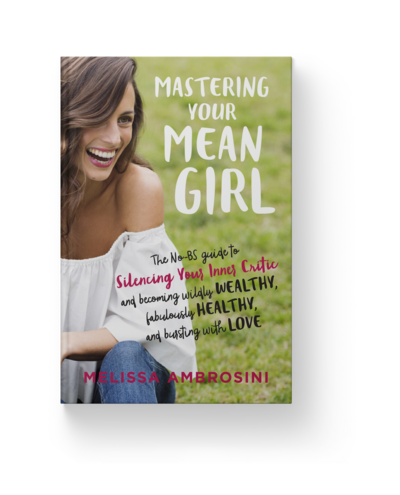
- Mastering Your Mean Girl by Melissa Ambrosini (book)
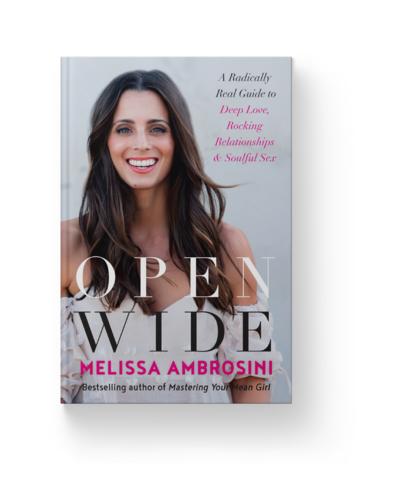
- Open Wide by Melissa Ambrosini (book)
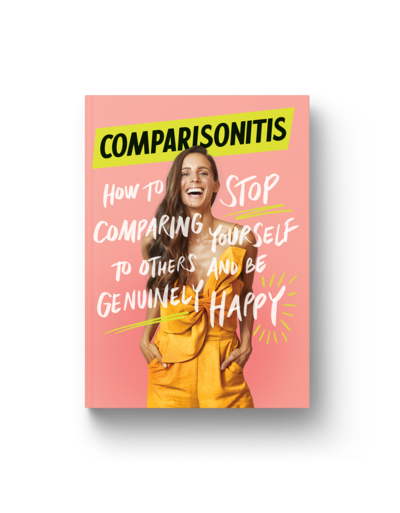
- Comparisonitis by Melissa Ambrosini (book)
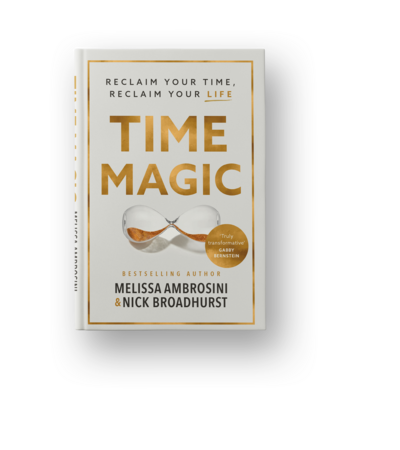
- Time Magic by Melissa Ambrosini and Nick Broadhurst (book)
- Dr Golly (website)
- Dr Golly (Instagram)
- The Life-Changing Secrets Of Baby Sleep Whisperer with Dr Golly (podcast)
- Dr Golly’s Guide to Family Illness: Sneezes, Wheezes and Common Diseases by Dr. Daniel Golshevsky (book)
- Dr Golly courses (USE CODE MELISSA20 FOR 20% OFF)
Prefer To Read?
The following transcript has been automatically generated and not checked for accuracy.
Melissa: [00:00:00] The Melissa Ambrosini Show. Welcome to the Melissa Ambrosini Show. I’m your host, Melissa
bestselling author of Mastering Your Mean Girl, open, wide, comparisonitis and Time Magic,
and I’m here to remind you that love is sexy, healthy is liberating, and wealthy isn’t a dirty word. Each week I’ll be getting up close and personal with thought leaders from around the globe, as well as your weekly dose of motivation so that you can create epic change in.
Your own life and become the best version of yourself possible. Are you ready? Beautiful. Beautiful. Hello and welcome back to the show. Today’s guest, Dr. Gli, is back for the second time. He was on episode of. Four two oh the life-Changing Secrets of the Baby Sleep Whisperer. Now I have read his books. I have done almost all of his programs and been lucky enough to be able to call him or voice message him in desperate [00:01:00] times over the years.
So I am so excited for him to be back on the show. And for those of you that have never heard of Dr. Goli, he is a pediatrician and father of three. He specializes in unsettled babies and poor sleep, and his work has been developed. After working with thousands of babies over a decade in his practice now he has a focus on empowering parents and protecting mothers, which I absolutely love, and he is all about turning up the volume of that mama and papa instinct to maximize.
Our understanding of our baby’s cues and bring everyone closer to a full night’s sleep. But today we are not talking about sleep. We have already done that In episode four two oh, today we are talking about childhood illness and so much more. So for everything that we mention in today’s episode and his books, his programs, everything you can check out in the show notes, and that’s [00:02:00] over@melissaambrosini.com slash 6 8 8.
And now without further ado, let’s bring on the incredible, Dr. Golly.
Dr. Golly, welcome back to the show. I’m so excited for this conversation. But before we dive in, you know the drill. What did you have for breakfast this morning?
Dr Golly: Do you know what? I have to admit? I did not make my breakfast this morning. It was made for me. I was woken at three o’clock this morning by the most adorable 10-year-old boy in the world, and.
He’s not sick. He just couldn’t sleep and he went back to sleep like a champion. And I’ve been awake ever since. So I think he felt bad. I got downstairs this morning and he had prepared the most beautiful organic eggs on rice crackers, made cheese jam. It was just avocado. He was just, it was just gorgeous.
So I had a, I had a very rough night of sleep, but [00:03:00] an an amazing breakfast, thanks to him
Melissa: coming from the baby sleep expert.
Dr Golly: You know, my 80 20 rule, it’s gotta, you want it to be right. 80% of the time you drive for a hundred, you’re only gonna find failure and disappointment. So, and you know what? When things are good, most of the time, as you well know, you can cop that interrupted night’s sleep every now and then.
And, and you’re fine because you’ve got, your batteries are charged.
Melissa: Yes, absolutely. And for those that have not listened to the first episode with you, it was called The Life-Changing Secrets of the Baby Sleep Whisperer, and that was episode 4 2 0. So go and listen to that after this episode. I’ll link to it in the show notes.
It is incredible. I absolutely love your work. Your books are amazing. I discovered you with my first daughter and I discovered your routines and your programs, and they were [00:04:00] a game changer for this type A. Achieving person. I needed a schedule and you gave me a schedule. Like I literally was floundering.
I remember saying to my mother-in-law, when do I feed her? What do I do? And she’s like, didn’t you just feed her? And I was like, yeah, but why is she crying? And your routines like, I just. I love them and they just give me guidance. So they have been such a game changer for me. But we’re not talking about sleep and we’re not talking about routines today.
Go back and listen to episode 4, 2 0 if you want to. Today we are talking about your latest book, Dr. Go’s, guide to Family Illnesses, sneezes, wheezes, and Common Diseases. This is so funny that this episode is happening now because we’ve just come out. Of this, you know, stickiness. Bambi brought something home from, we think gymnastics, [00:05:00] and this is how it goes in our house.
Since Prince has been born, Bambi would bring something home. I tend to get it first, then Prince, and then papa gets it last, and he usually gets it the worst.
Dr Golly: Well, all roles, we always get it worse.
Melissa: But it’s so funny because I have like, I need to work on my compassion. I have zero sympathy for him. He’s like, I don’t feel good.
I’m like, it doesn’t matter. You gotta get up and keep going. So anyway, I’m so excited to talk about this because you know, if you have children, you know the things that they bring home, the things that they’re exposed to. It’s a lot. It can be really scary as well. Like Prince had a temperature and I was really worried.
I don’t, I think I slept three hours that whole night because I was so worried. So what are the best first steps as a parent to figure out whether a child has [00:06:00] is something that we can manage at home, or it’s something that we need? Extra support with where do we begin?
Dr Golly: Well, thank you so much for that introduction.
Firstly, where do we begin this? This was the question that people kept on asking me, so people would write in and send the most beautiful messages like you just said, you fixed sleep. You know, everything’s been fantastic since that change and. Now we have this new problem that’s affecting sleep, and it’s not colic, and it’s not teething, it’s sickness.
And there is no question that if you have a baby on a wonderful sleep routine or a baby who’s not on a routine, a good sleeper, not a good sleeper, it doesn’t matter. Illness affects all. And what typically happens is that illness comes through and as you described, it just wipes out every family member.
So you are dealing with. Such a co a, a cruel combination of things. You’ve got, firstly, the fact that you are probably sick yourself, and like you said, no one’s giving parents the attention [00:07:00] or the TLC that they need. ’cause the focus is, is rightly on the child. Absolutely. And, and dare I say, still recovering, you know, still trying to replenish everything that has been used up and, and, and battery, you know.
Sat down in pregnant infertility, in pregnancy, in delivery, and then through the, the newborn phase, so, and breastfeeding. So there’s a lot, there’s a lot taking away your battery and then illness comes along and just wipes out a big chunk. So it’s, it’s a really rough time then. It may be that you’ve worked really hard to achieve this wonderful sleep routine and it just turns to zero and you can’t leave a child.
We, you know, I never employed cry out methodology and we certainly don’t leave a child who’s unwell. Couple that with the anxiety of. Is my child really sick? Like, do I need to go to emergency now at two o’clock in the morning? And you just don’t know. And people in my audience were writing in and asking, what do I do?
How do I know [00:08:00] exactly as you just asked? And so we decided to put together this book as almost like a quick reference that two in the morning, what do I do? Should I be worried? Do you think this can wait until morning? That it’s almost like having a pediatrician. As your best friend or your neighbor who you can just call or text and say, is this something that is urgent or cannot wait until morning?
Is this something that needs a pediatrician or a general practitioner or an emergency department? And that is what the book seeks to do. It’s also, you know, it’s not. It’s not text heavy, as you can see. There’s lots of, you know, quick, quick reference pictures of rashes, easy ways to jump to the body system that’s impacted so you don’t have to, you know, sit down and read for three hours to figure out what’s going on.
It’s not a textbook. It’s just really simple, straightforward, and every single chapter has this philosophy embedded in it that your gut feeling is [00:09:00] worth more than anything. So even if you’ve been reassured by a healthcare professional in the morning, if the picture’s changed or if you are not comfortable with that assessment and that guidance, if you are worried as a parent, you’ve got to escalate.
You’ve got to have that child seem to, and the book tries to guide you as to what things are. Things you can deal with in the morning and what things you absolutely can’t.
Melissa: I love that so much. Now, you recommend having certain items on hand as well, like what does a simple but effective like at home kit look like?
Dr Golly: It’s very dependent on the baby’s age. So the younger the baby, the more I think, and it’s not so much first aid as symptom relief. So the snot sucker, I talk about the snot suckers all the time, and they’re so valuable in a completely well child. But if you’re talking about a baby who is breast or bottle fed, no solids, you know, can’t have a rehydration solution or an icy pole.
[00:10:00] So. Oral feeding is the only way we get hydration into this baby. You cannot have a blocked nose, and it’s one of the cardinal symptoms of a common cold. So clearing that nose with saline spray plus or minus, not sucker, that is so, so important. So that would, I would always have that on hand and because often hydration is what decides whether a baby needs to be in hospital or.
Can remain at home. So that’s a really, really big ticket item for, for pediatricians. Beyond that age appropriate, I would also have on hand pain relief, fever relief, so paracetamol or ibuprofen. And there’s lots of tricks when it comes to these medicines in terms of knowing when to use it, knowing how much to use, choosing the the formulation that has a flavor your child will tolerate and also.
There’s treats be able to administer the lowest possible volume with the highest safest dose. So lots of little guides. And also the other thing is a medication tracker, which we [00:11:00] were very, very proud to include in the book as well. So, you know. You are, as we said, you are often sleep deprived. You are managing your own illness.
It might be two in the morning. You might also be tagged teaming with your partner and did mom give paracetamol or did she give ibuprofen? Dad wants to give it, but we don’t wanna overdose. It’s really, really hard. Some people use text message conversations with their partner, but then even that can be confusing.
So having a medication tracker is really, really, it’s safe. It prevents accidental overdosing, and it just makes it really, really clear. When you can give what you can give and how much you can give.
Melissa: Yes. So important, you don’t wanna mess around with that.
Dr Golly: Correct.
Melissa: Okay. And what are your thoughts on things like homeopathics for these sorts of coughs and colds and sneezes and all of those sorts of things?
Dr Golly: I think there’s absolutely a place for homeopathics. It’s something that I practice and, and I, you know, have, have my own eastern doctor who I take my children [00:12:00] to. Sometimes it’s not a, in my mind, and I know that different people have different opinions on this, but in my mind it’s not an east versus west.
It’s an east and west approach to, to healthcare. One is more about health maintenance and disease prevention. One is more about. Managing disease when it comes. And I’ve got a, a beautiful, wonderful Chinese doctor who is very respectful of my line of work and my training. I’m respectful of his, and we don’t sort of step on each other’s toes.
And so there is definitely a place for homeopathic treatment and there’s certainly a place and a time for, for Western management. So I’m for all of the above, what I’m not for is one. Criticizing the other one getting in the way of the other because that’s when dangerous things happen. And mistakes occur.
Melissa: Yes, and I mean, I personally believe that like when they get fevers and stuff, like the body knows what to do. So [00:13:00] what is the point where you would let something run its course? And when would you intervene? Like are you talking like 39 degrees Celsius? Like, I mean, can you even say that on a podcast? I don’t even know if you can.
Dr Golly: A really good question. And if you notice, I don’t talk a lot in on podcasts and, and in interviews. I don’t talk about thermometers very much. And in actual fact, you won’t find one in my house and that’s not because I have the ability to. I assess someone’s temperature with the back of my hand. It’s that the number doesn’t really mean that much to me.
So, you know, if you called me for example and said, I’m really worried about Babi, she’s got a temperature of of 38, 9. My first question will be, what’s she doing? What does she look like? What does she sound like? What? What’s her behavior like? What’s her hydration like? I wanna know about the child, not the number.
So if you said to me, that’s her temperature, but she’s [00:14:00] absolutely fine, asymptomatic, playing, drinking, eating, you would not know anything’s wrong. My, my question to you would be, why did you check her temperature? And is it time to throw out that thermometer equally, if you said Bambi’s, desperately unwell.
And lethargic and listless and hasn’t drunken anything, has got no urine output, but her temperature’s normal. Be reassured by that at all. So use temperature for us as pediatricians, it’s very much a trend that we monitor, especially younger babies who can show signs of illness that don’t involve high temperature.
Sometimes, in fact, with very young babies, it can be low temperature or just simply the instability of the temperature so that we, you’ll notice in hospital, for example, we regularly check temperature. It because it’s the trend over time that’s far more valuable to us than the absolute number at any one time.
And also an ear based thermometer, a rectal thermometer, an infrared, there’s so many different kinds and they all have a [00:15:00] margin of error and they all have different results. So the number is not crucial, it’s the trend. And more important than anything, it’s having eyes on the child. What is that child doing?
What are they not doing? That’s when we worry. And I wanted to give parents a really, I, I really wanted to simplify it. Because it, it’s not even easy to reach for a book at two in the morning. I wanted to give them a very clear structure or format, if you will, for when to worry. What things do you non-negotiable worry about and what things can, you usually wait until tomorrow?
Because that often is the stress. You may even have a child who you’ve been able to get back to sleep, but then you stare at the ceiling or, or check them every 15 minutes ’cause you are worried and then you are not sleeping. So I’ve told parents and I’ve instructed families. In general, and remember I said before, if you are worried that’s, that Trumps all, but in general it’s the three Bs and the three Ps.
[00:16:00] So I’ve tried to make it really easy to remember if there is something not right with your child. When it comes to behavior breathing or breast bottle, that means hydration. Those are things. If there’s something wrong with your child in the areas of pee poo or pain that’s uncontrollable, those things can’t wait until the morning.
So if you keep that just very, very superficial level, understanding about what things you do not wanna mess around with, you don’t wanna wait on what things can wait, you’re gonna be as safe as possible. Always remembering that if you’re not sure, if you’re not comfortable. You have to get them assessed.
Melissa: Yes. Okay. This is so good. I love this so much. It’s so practical. So he had a very high temperature Prince did about three weeks ago and it’s so interesting ’cause [00:17:00] we have one of the thermometers that you hold up to your forehead, it gives you a different reading on the same person within the same five seconds.
And I’m like, this is not accurate at all. But anyway, it said 38.5. And he’d woken up in the night. So he goes to bed at seven and he woke up at eight 30 and we were like, that’s weird. And he was like, eh, eh, eh, and making fun of, and we were like, that’s weird, because he doesn’t usually do that. And then he went back to sleep and then he woke up again 30 minutes later and he did that same noise and then he did again 30 minutes later and we’re like, this is so weird.
And then, then we went in and I picked him up and I was like. Oh, okay. He was boiling hot and I was like, oh, okay. He’s got what Bambi had. And I was like, okay. And he was really uncomfortable, but there was nothing else, no other signs. And so I just breastfed him. He fell asleep and then I put him back in and he slept for like another three [00:18:00] hours and then he woke up again and he was very hot.
And that just happened one night. The next day he still had a little bit of a temperature, but he’d come down significantly. And he was fine still his usual self, just a little bit more reserved, you know, just not as active. But I was so worried, and Nick is so cool, calm, collected with this stuff. Like, you know, this is his third child.
He’s like, it’s all good. And I’m like, I tend to worry way more. And I’m like, I’m sleeping on the floor next to his cot and Nick’s like, you’re not sleep. And I’m like, get me the pillow. I’m staying here. Anyway, I stayed in his room for a while, but he ended up being absolutely fine. But. As a mama. It’s scary.
Dr Golly: Of course. It’s absolutely, absolutely. And let me tell you, as a father, it’s scary. And even as a pediatrician, it’s scary. You know, people say, oh, you would never get worried about your children. Of course I do. Of course, I’ve been to emergency at two in the morning with my own children. Of course I have.
It’s a, it’s a really scary [00:19:00] thing. And I’ll tell you what, I, I do not envy. The, the job of the, the gp, your local gp, I think it’s one of the hardest jobs in the world because you’ve gotta make that, that triage, that judgment call on a rash, on a cough, on a temperature. It’s really, really difficult. You know, in some ways I’ve got it easier as a pediatrician because I’m seeing these kids when they are admitted to hospital.
So we know that they’re unwell and we know that we need to manage them. But making that call to, to. Send someone home. It’s a really, really difficult one, and it shouldn’t fall on the shoulders of parents. But at the same time, you’re right, we often, we worry excessively and then. When we don’t worry, we worry that we should be worrying.
It’s really, it’s a really, really hard balance and, and really it’s, it’s honestly, that’s the reason why we wanted to publish this book. We wanted to make that job a little bit easier. Take the pressure off parents as much as possible, you know, fevers, you, you talk about fevers. It’s such an amazing, it’s [00:20:00] such an amazingly big subject.
And we under, we, most people don’t understand why fevers happen and what we do about, I mean, a little crash course on fevers when your body is fighting an infection and for other reasons as well. But we’ll talk about infection because that’s most common in kids. Your body sends messages all over the body through the, the bloodstream.
And one of the side effects of of these messages is it goes to the body’s internal thermostat. So you remember those old school heaters? On the wall. We used to slide it left and right. So imagine that your body’s got one of those that says, I’m gonna make the body’s temperature 37. And what happens when these messengers fly around?
They accidentally, well, maybe not accidentally, we don’t fully understand why they do it, but they push that thermometer needle down. And for arguments sake, let’s say they move the needle to 34. And so the person who’s own, who owns that body, feels freezing. [00:21:00] Freezing 34 degrees. So they’re shivering and they’re chattering, and they’re saying, oh, get me a blanket, get me a hot water bottle.
Get me a warm cup of tea. I’m so cold. But what their body does is it tries to push that temperature up from 34 back up to 37. It tries to raise it by three degrees Now because the body’s temperature is really 37. It’s not actually 34, someone’s just fiddling with the, their control mechanism. What ends up happening is that that body moves from 37 up to 40, and so the person feels freezing, but is actually boiling.
And that’s where the, that’s the origin of fevers. And people used to think back in the. The ancient times in, you know, forties and fifties, and even some people still today, they feel that you’ve gotta break the fever, that term, breaking fevers. So people would add a hundred blankets and, and overheat the child or the adult to try to get them as hot as possible.
So the fever breaks. This is of [00:22:00] course, completely false and dangerous. And then you’ve got other people who cool people down because they’re so hot and you can actually risk. Damage with hypothermia. So we use medicines to try to rearrange that thermostat and we focus on the child, the symptoms and not so much on the absolute number.
Melissa: Hmm. So interesting and very good to know. Now, having my own kids, like they go places, they go to gymnastics or wherever they go and they’re exposed to other things. And I know a lot of people say it’s good for them to get exposed to these things. It’s good, it’s so inconvenient to the entire family. It’s so inconvenient.
Is it really good? They, they get exposed to these things because like, it’s so inconvenient, you know? It affects me, Nick, prince, everyone in our life, we can’t have my parents come over like, you know, it [00:23:00] affects everything. Then we can’t work. Like it affects everything. It’s so inconvenient. So talk to me about is it really good that they get exposed to these things?
Dr Golly: It’s not necessary.
Melissa: Great. So if we can avoid it, we avoid it.
Dr Golly: Well, you can and there’s no harm. Like if you, I I, I see parents saying to me, we don’t wanna send our child to daycare, but we’re gonna do it because we want them to get exposed to bugs so we can build up their immune system so that when they enter kinder or school, they’re, they’re tougher.
There’s absolutely no evidence that that is the case. There’s no evidence that children who didn’t attend. Preschool get any more sick or, or more severity of their sickness when they start attending school. That just doesn’t happen. So you don’t need to expose. It’s a different conversation. When we’re talking about exposure through immunization, that’s a totally different story and perhaps a topic for another time.
But you don’t have to expose children to [00:24:00] illness. You don’t have to go through this. On the other hand, you want to socialize your child or if you need to use some sort of care for your child. Don’t feel bad about illnesses happening because that’s. Bugs live on the floor because when you cough and sneeze and spit them out, they live on the floor.
And that’s just so happens to be where children play and live and they don’t have wonderful hand hygiene. And they explore the world through their mouth. So they touch objects, they don’t share them kindly, they just pass them around and then they put them in their mouth and there you go. They’ve passed on another illness.
So it’s like a perfect storm for bugs to play around. I actually wanted to call this book. Love kids because I thought that it explains it beautifully. And then you kind of understand why as children move further and further from the ground, you know, sitting in chairs and not on mats, that all of a sudden they don’t get as sick as often and it, it moves from, you know.
Common cold over to things like gastro. [00:25:00] And then as you get older, it’s more like just different Epstein bar virus and different kinds of things at different ages. But the short answer to your, your comment is no, you don’t have to expose them. You’re not making them stronger. There’s just one thing that I try to really, really reduce in the community’s guilt and, and anxiety.
There’s just no place for it.
Melissa: No. And what about chicken pox, because that’s one that a lot of. People say, oh, let’s have a chickenpox party. Let’s get all the kids together. So what are your thoughts on that? Is that something you wanna expose them to? Or even then you’re like, no, you don’t need to.
Dr Golly: Well, there’s a lot of, I mean, I was, I went to a chickenpox party when I was young.
That was the best that families had because there’s no question that we, we call it life, life wild virus is when you catch it in the community versus in immunization. So when it’s when catching chickenpox as a younger. Child, you are less likely to get unwell than if you are an older child, teenager, or or adult.
It’s quite harsh [00:26:00] chickenpox in the adult population. So there was a, a school of thought and still in practice today where you intentionally expose children to chickenpox to try to get it out of the way. And there’s definitely logic there. And as I said, that’s what happened when. I was younger and I don’t, I don’t begrudge my parents for doing that because it gave me protection against chickenpox.
When I’m older now, we have an immunization, so it’s essentially the same thing. It’s just a hell of a lot safer, more controlled, and it’s not wild. Same thing with measles, so there is no doubt that it is. Prefer. Prefer to have exposure when you’re younger and then to have lifelong protection. But it’s definitely preferred to have it in a safe way, a controlled way, a dose adjusted way.
And that way you are, you are, firstly, you’re guaranteeing that there is exposure to chickening px, whereas if you’re having a party, you are sort of rolling the gas and hoping for the best. But we don’t recommend, we certainly don’t recommend those anymore. There’s just no [00:27:00] need for them.
Melissa: So interesting. So what can we do to support our children if they do come home and they’ve got something, they’ve brought something home.
I mean, is it inevitable that everyone else in the house is gonna get it? Like, can we protect everybody else? Should we try and protect everybody else? I also realize that our children get everything that we’re not immune to because they get our immunity. So. What are your thoughts on that? Should we try and protect the other family members or is it inevitable?
Dr Golly: It’s such a difficult, it’s a great question With such a difficult and complex answer. Uh, certain bugs are extremely contagious. Like measles is the most contagious virus out there, and other things are not so contagious. It also depends on the age of your child. Like now with my kids at almost 13, 11, and [00:28:00] nine, it is a bit easier to try to sort of.
Wall off the infected one in their room and sort of keep them away from the other kids. Whereas if you’re talking about a 1-year-old and a 3-year-old, good luck.
Melissa: Even mine now, like four and a half and almost 10 months, like I will say to her, let’s give him space. Let’s try not to kiss him for a couple of days.
Let’s give him space. It’s just impossible.
Dr Golly: Yeah. In some ways I am of the opinion that don’t even bother trying because it’s, you’re gonna fight and you’re not gonna win that. Whereas there are lots of other schools of thought that say, no, you should try. You, you may as well try because getting infected is such a, is such a headache for those involved.
But also. I personally, I find it extremely hard to not give TLC to my kids when they’re unwell. So if I’m perfectly well and I know that I’m about to catch gastro, I’m about to catch RSV, I’m about to catch flu. If I hug them and lie with them, I can’t not, I just can’t do that [00:29:00] as much as. Destroy me the next week.
I just, it’s just something in me. And, and you know, no, again, no judgment on people who, who need to avoid a bug or, or who desperately want to avoid a bug. I just feel like in my, in my practice, the way that I parent, it’s inevitable. And so I’m more about minimizing the fallout as opposed to avoiding the infection.
So my focus is on making sure that. Everyone in the family has good baseline sleep. You knew that was gonna be my first answer. Sleep, sleep, sleep. So the better your foundation, like I talked about before, the the fuller your battery, the more you can cope with whatever illness is thrown your way and the quicker you’ll bounce back.
Melissa: Yes. Oh my gosh. Sleep is just, it’s everything. It’s one of the core pillars of health and wellness and longevity. It’s the best. I love it so much. So, yeah, that makes a lot of sense. Getting really good quality sleep as much as you possibly can, and I’m the same [00:30:00] as you. There’s no way. I’m like not holding my child, laying next to them when Bambi was sick a couple of weeks ago.
She wanted me to lay with her to put her to bed, which I always do. And I was like, well, I’ll just lay a little bit down the bed. And she was like, next to me, mama. And I was like, okay. Right next to her stroking her forehead. I was holding my breath, it was dark. I was holding my breath, and then I, I’d turn away from her, take a breath, and then like, come back with her.
I was like trying not to like, she was right in my face and I was like, well, it’s inevitable it’s gonna happen. I just wanna be there for her. And of course I’m gonna be there for her. And Nick will usually, like, he will try and stay away a little bit. Of course he gives love verbally, but I’m like, there’s no point.
Let’s try and at least one parent not get sick. If I’m the one that’s breastfeeding, I’m the one that’s, you know, I’m like, I’ll do it. And do you know what as well? Like I didn’t get it as bad and I feel like God or the universe or whatever you believe in, like sprinkles a little bit of [00:31:00] extra magical.
Dust over breastfeeding mamas because they’re like, they know what we’ve gotta do, and I just feel like we are taken care of in that space.
Dr Golly: I agree with you really wholeheartedly about this because that was our experience too. And whenever I talk about this with families, they say very similar things where, you know, three young kids in our house, my wife breastfeeding at at one point or another, and I would be the one who would get the daycare bug and my wife would get a little bit of a niggle, but not that bad.
I’m convinced that there is something that actually happens from a hormone point of view that gives women, breastfeeding moms this superpower that gives them the ability to transfer the antibodies so the baby doesn’t get sick. The mom doesn’t get sick or minimally so, and the poor dad cops it all
Melissa: the poor dad.
And the thing is like what we were just saying about sleep. I’m on the least amount of sleep out of [00:32:00] Nick and I. I’m breastfeeding and you know, that’s a lot of energy coming out of my body and I’m on less sleep yet I still get it less and I’ve, I literally feel like it’s, yeah, the mama is like the engine of the home.
So it’s like I’m gonna protect you with all of those good hormones and, and magic.
Dr Golly: Yes. And that’s why you’ve got to you, an extension of that is, you know, the, the body tries to do that as well as possible. And we’ve gotta let it, and we’ve gotta support that. So to all the dads out there, or the non non breastfeeding parent, the grandparent, the neighbor, you’ve got to put the focus on the mom.
You have to. You know, I say this, I’m a pediatrician, but my focus is always on the, on the child. If protect.
Sleep. You’ve got to prioritize mom’s diet. You’ve got to prioritize. Mom’s socializing, mom’s exercise. These things are paramount in a family [00:33:00] unit, and if you can get that as your number one priority and the kids come in second, third, fourth, however many kids, and the dad comes in at the very, very bottom, that’s where dads like to be.
And that’s certainly where I like to be. And I know that if I can do as much as humanly possible to protect mom. The children will be fine.
Melissa: Hmm, absolutely. We are the heart of the home and it’s really important as well that we take that role with heart. It’s such an honor and it’s a big responsibility, but it’s also such a privilege and I know for me, it’s my responsibility to fill myself up too.
You know? It’s my responsibility to go and do my workouts because not only does it bring me. So much joy, like I work out for my mental health. It makes me feel so good. And you know, all the things that you mentioned, sleep, nutrition, socializing, movement, [00:34:00] nature, all of these things, they’re so good for us and it’s our role to make sure that they are in our calendar and for the partners as much as they can do to support, it’s just going to benefit the entire family unit.
Dr Golly: I was about to say, you’re spot on. Who reaps the benefits from you having optimal mental health, physical health, emotional health, all of that. It’s the children, it’s the partner. We are the ones who are, are much happier ultimately when you guys have as fuller battery as possible. So we, we talk all about the importance of these things, but you touched on it before.
You have to, as the mother, you’ve actually gotta let it happen. Sometimes I’ve really gotta twist mom’s arms and say, Hey, leave the house. Go. Put the earplugs in, prioritize sleep, go socialize, go exercise. And very often for the most beautiful of, of you know, well-meaning [00:35:00] reasons, the moms don’t wanna do that, or they feel they have to be home or they have to give more.
And it’s really, really important that moms also understand that they’ve got to fill their bucket first. They’ve got to put their oxygen mask on first, that you have to shift the order of priority, and that’s when you get a really, really beautifully humming family unit.
Melissa: Yeah, absolutely. I found with Prince my second, I’m a lot more chilled around not getting more support.
’cause I had support with Bambi, but like I’m like, he’s fine. He’s with the nanny or he is with Nick, where I had a lot more, I guess I had a lot more guilt with Bambi. Maybe because it was my first, I’m not sure, but I had a lot more guilt. Like I never wanted to leave her side. I wanted to be home. I wanted to be there for every wake up, for every put to sleep.
Like I did everything. She never took a bottle. I breastfed exclusively for two years. Like there was no bottles, nothing. Where Prince, I’m like. No. Like he’ll take a bottle. [00:36:00] Papa will do it. My nanny can pick him out of the cot. Nick can put him down. You know, when you’ve got more kids you just have to, but I’m so much more relaxed and that guilt is gone, which is so lovely.
Dr Golly: Yeah. I often say to people that we parent our third the way we should parent our first. You, it’s a journey that you’ve been on, and I’ve seen, I’ve been on the same one, and you have to, you have to go through it. It’s really, you know, well-meaning, people will tell you all these things when you go, when you’ve got your first and you’ve, and as you said, you’re being very, you know.
Not pedantic, but you, you wanna control everything. You wanna be a part of everything, as you said, and you have the energy for that because you’ve got one child, but then you’ve gotta split that energy when the second arrives or the third, you’ve gotta, you know, spread it even thinner. So it, it is a, it’s a real balancing act, and I don’t, I think a good parent never feels like they’ve nailed it.
Melissa: Mm mm I’m always learning and growing and evolving. You know, one of my coaches once said to me [00:37:00] as well, like, one of the best things you can do as a parent, it’s like the quality of attention that you give them. Like, we don’t have to be physically present with them every second of every day, of every waking moment.
It’s okay that I’m recording this interview and is sleeping, and Bambi is with our nanny. Like, it’s okay. But when I’m with them, be really with them. You know, that quality of attention is really important. Okay, we’ve gone on a bit of a tangent. I wanna circle back to illnesses. So ideally I want to boost my children’s immune system.
I want to avoid as many of those things that go around because it’s super inconvenient for my family. And for work, and it affects everything. So what are some of the things that we can do to help our children stay well and boost their immune system? Because they are gonna be exposed to things at whether they go to school or even [00:38:00] a homeschooling group, or even a gymnastics class, or a swimming lesson, whatever it is, you’re going to be exposed to things.
So what can we do?
Dr Golly: So my, my answers will always be one, two, and three will always be prioritizing sleep. As we touched on before, it is the number one most important foundation to edify the rest of everything from a healthcare point of view. So. It’s never too late. If you’ve got a child who has not been sleeping well, has broken sleep, wakes through the night needs co-sleeping with, which is not something you want to do, prioritize sleep, and it can be corrected.
It can be corrected so much quicker than people think, and I’m here to help you do that.
Melissa: Yeah, your courses are amazing. I’ve literally done all of your courses because they go up in ages like this, three to six month and the six to 12, like I’ve literally done all of them. I’ve got the app on my phone and I just go through them.
Whenever I’m like needing a little refresher, I open it up. So I wanna [00:39:00] encourage everyone to look at your books, look at your programs. They’re amazing.
Dr Golly: I’m gonna give you a code so that all of your audience can, can access these at a discount because I, I, I wanna spread this word and I want people to prioritize sleep.
Melissa: Should we use the code, Melissa, for everybody?
Dr Golly: Melissa 20.
Melissa: Melissa 20. Okay, everybody, and I’ll link to it in the show notes. Melissa 20 gets you 20% off.
Dr Golly: Perfect. Now, when you have improved sleep as much as possible, then we shift, we don’t shift.
Nutrition, there’s no question. Nutrition is crucial and it’s hard. Get the best nutrition into your kids because often the best nutrition is not the tastiest, it’s not the most colorful. Some kids would much prefer processed food. It can be yummy. Like I get the battle, I’m a father. I’m, I’m, I’m under no illusions and you don’t have to get it right a hundred percent of the time.
In all my sleep programs, I [00:40:00] wanna talk about nutrition, everything. I talk about the 80 20 approach where if you’ve got good, solid. Healthy, clean food as minimal processing as possible. 80% of the time. It’s okay to have a little bit of junk food every now and then. It’s okay to slip up and yes, you can just have this, which you want, but you know, I know it’s not the best kind of food, whatever it may be, that’s okay if you’re doing it 20% of the time approximately, because you can’t.
Seek a hundred percent. You can’t be perfect. And also there’s life as well. Sometimes the most enjoyable things are not necessarily the best things for us, and that’s okay. Remember, there’s no judgment. All right? So the focus has gotta be on sleep, it’s gotta be on nutrition. It’s also gotta be about getting out there.
Getting moving, being physical, minimizing sedentary activity as much as possible. These things are the focus, and if you can prioritize those, you are doing the best thing for your child. And then there’s other things like immunization, which is another form of [00:41:00] protection. And again, that’s a topic for another, another day.
There’s a lot of information out there. There’s a lot of. Also a lot of concern. It’s in the media right now. It seems to come in in cycles when people wanna talk about it. But ultimately, I love that people are talking about it. I love that people are sharing a common concern for their children’s health.
For me, everyone’s on the same page. It’s just that we differ in terms of how we wanna exercise that or how we feel that is best achieved. But ultimately, we all want our children to be healthy and happy and prosper.
Melissa: What about hydration? You did mention hydration there, like obviously that’s really important.
Is that something that we need to think about or is sleep and nutrition and moving our body more important than hydration?
Dr Golly: Hydration is something that is an always important thing and you don’t wanna over hydrate, you don’t wanna sort of, there I, I do see some parents over hydrating their kids and then you can run into problems, not [00:42:00] from a kidney point of view.
It doesn’t tend to be super dangerous. It’s more that these kids are then always having to go to the toilet or they’re not able to, to toilet train or their, their wedding at night. So you don’t have to overdo it with hydration. Also, you’ve gotta remember that hydration is. Is sometimes water and it’s sometimes a little bit of electrolytes in there as well.
It’s, it’s a hard balance, so keeping being mindful of hydration is important, but also not overdoing it as well. And of course, when we’re talking about a sick child where hydration is all of a sudden extremely important, it’s a totally different story. But for your healthy child, run of the mill. Normal day, you wanna make sure that they’re hydrated so that urine is coming out, a slight yellowish tinge, not too dark, but also not copious volumes.
That is totally clear. Then it’s a sign that you are, you are overdoing it.
Melissa: My kids, when they’re not a hundred percent, they love coconut water, and then I make them coconut water icy [00:43:00] polls and they will devour them.
Dr Golly: Amazing. My kids, every time we go on a summer holiday, when I know they’re gonna be dehydrated from playing outside and not drinking enough, when we get back to the, to the house or the apartment, I’ll give them a one of those rehydration icy polls, ice box, and they think all their crispers have come at once.
Yeah. God, so many icy poles like what’s gotten into him, and there I am thinking I’m hydrating you and you don’t even know it.
Melissa: Yeah. Yeah. I love it. So you mentioned the book that you wanna mention here and highlight. I wanna encourage everybody to grab a copy of the book. I will link to it in the show notes as well.
But is there anything else that you wanted to share regarding the book?
Dr Golly: Yeah, I, I think it’s important to know what is common. So yes, in the book we talk about things that are serious, but they thankfully tend to be uncommon. Really what I want people to know, and this is sort of, it’s like an overarching philosophy when we’re talking [00:44:00] about my first book on newborn sleep or my current book on childhood illnesses.
The more prepared you are as a parent, the more empowered you are. Like, it’s like you talk about Prince, like you are so much more relaxed. You’re so much more confident as a mother. Why? Because you feel like you’ve seen it all before. Before you’ve done it all before, nothing’s new. When you see something on Prince that would’ve really scheduled with Bambi, you think, oh, I learned through Bambi that, oh, that’s just that.
That’s not a problem. That goes away in a few hours and then all of a sudden you see it in Prince. You don’t think, well, I’m not worried about that. ’cause I know exactly how to manage this. That’s the kind of empowerment that I’m trying to give parents. So I don’t want parents to read this only. When the proverbial hits the fan, I want parents to slowly flick through this, get a feel for the medical language so you, you improve your health literacy, get a feel for the kinds of rashes that are common and harmless versus the ones that absolutely need to be dealt with.
[00:45:00] Common problems like constipation and, and fevers, and all of these things that are gonna happen no matter what you do, how much you try to cocoon your child, you’re going to encounter certain things. And then there are certain things that absolutely non-negotiable need to be escalated very quickly. But the, the sooner you know about that kind of thing, the better you are at managing it when it comes and staying calm when it comes.
And, you know, I, I tell people with a baby, they drink more than just milk. They drink all of your emotion. And the calmer you are, the more calm they, they’re gonna, and they’re just gonna feel like they’re being held and looked after by someone who’s. And the same thing happens when it comes to illness. It, it’s really hard, but if you are panicking.
I mean, how would you feel if you were a passenger in a car where the person driving is, you know, doesn’t know, looks like they dunno how to drive, and what does this button do and do I pull this and push that? And you just think, oh God, this person’s [00:46:00] gonna crash. Same thing a child is who feels like crap is gonna look to you for guidance and reassurance.
Stability and you know, trust that you are gonna make them feel better. You’re gonna help them, you’re gonna solve this problem, you’re gonna take away that pain or that nausea or whatever it may be. And by upskilling parents, that is the best way to achieve that.
Melissa: Hmm. It’s like educate yourself now before.
Any of this stuff happens. And I did that with Bambi, you know, watching all of your courses. So once she hit that next age bracket for your course, I would then watch the next one. So I knew what was to come. Okay, cool. Well, around this age, we’re gonna go from three to two sleeps, and that’ll probably be like at this time, and I just knew the back of my mind.
I’m like, oh, okay. That’s normal. Oh, okay. That’s what’s gonna happen next.
Dr Golly: That’s exactly how the course is intended to be done.
Melissa: That’s seriously what I did, and I remember you [00:47:00] saying this to me in the first episode that we did together. You said that same thing, Bambi is drinking more than your breast milk.
And I have never forgot that. And every time I breastfeed my children, I remember that because I wanna pour my love and my energy into them. So I want everyone to really hear that, highlight that underscore that because it’s so important, the more calm we are. The more regulated our nervous system is, the better because they pick up on everything.
Like Nick will sometimes say to me, yesterday I woke up, I wasn’t feeling a hundred percent and I was a little bit, you know, short. And Nick just turned to me and said, you are the heartbeat of the home. And I was like, oh, yes I am. And he’s like, go and take a breath and then come back. Like he’s like, ’cause we are all feeling it.
Like the kids are feeling it, I’m feeling it. Go and take a breath. I’ve got [00:48:00] this. You go and then come back when you’re ready. And I was like, oh, thank you so much. And I went and laid down for half an hour and I felt much better. But it’s just so important that we remember that we are the heartbeat of the home.
Dr Golly: Exactly. And give yourself the attention you deserve.
Melissa: Absolutely. Oh, Dr. Golly, this has been so amazing. You are helping, you are serving so many people around the world with all of your work that you do. I wanna know how I and the listeners can give back and serve you today. What can we do to serve you?
Dr Golly: Oh, just sleep better.
Nothing would make me happier if everyone was sleeping better, and if everyone thought that. The newborn period is not something that you have to suffer through, that you can actually thrive and not just survive that period. You know, we talk so much about sleep in terms of preventing illness and and recovering quickly from illness.
Well, the [00:49:00] best time to master sleep is the moment that baby arrives, starting to get into good habits. I did say you can correct it at any point if you’re not in a good routine, and that’s absolutely fine, but it’s gonna be so much easier as you experience when you do it. From the very, very beginning. So please take a look at my sleep programs.
I try to put out so much information through social channels as well. I just wanna spread the, spread the word. I want people to be as educated, informed, empowered, as possible.
Melissa: Mm, yes. And you do such a brilliant job at that. I know for me, prince started sleeping through the night at six months and I felt like a completely different.
Human being. I was like, oh, there you are. It affects everything. It really does.
Dr Golly: So prioritize it. Shift the focus. Shift the spotlight onto you. Onto you as the mom. ’cause you are right, Nick’s right. You are the heartbeat of the [00:50:00] home. Everything takes its lead from you and the stronger you are, emotionally, physically, everyone reaps the benefits.
So put the spotlight onto mom in every single way. Every single facet and aspect of life and. Everyone benefits.
Melissa: Absolutely. Amen. Amen. Oh, this has been so insightful. Is there anything else that you wanna share or any last parting words of wisdom?
Dr Golly: Reach out to me if there’s something you want me to talk about, if there’s something you want me to cover.
If there’s a book you want me to write, just tell me because I, you know, I, I work every day as a pediatrician. I do. I’m on the front line and I do get to see what parents are juggling and battling with. But the more people who reach out to me, the better. So please reach out to me, ask me questions. I’m only too happy to help.
And if I can point you in the right direction, if I can, you know, dispel some myths, then, then my job is done.
Melissa: Mm, you are such a wealth of knowledge. [00:51:00] Thank you so much for this incredible gift to the world and for this. Episode you’re always welcome on the show. Thank you for sharing all your wisdom with us today,
Dr Golly: and thank you for putting it out there and thank you for having me.
Melissa: Pleasure.
I hope you got so much out of this episode, and if you did, please subscribe and follow the show and leave me a review on Apple Podcasts and send me a screenshot of your review to hello@melissaambrosini.com and I will send you my wildly wealthy guided meditation as a thank you for taking the time to leave that review.
It means the world to me. Come and tell me on Instagram at Melissa Ambrosini, what you got from this episode. What was your biggest key takeaway? I love hearing from you. I love connecting with you, and I love hearing your biggest key takeaways. And before I go, I wanna say thank you so much for being here, for wanting to be the best, the healthiest, the happiest version of yourself, and for showing up today for you and your [00:52:00] children.
You are amazing. Now, if there’s someone in your life that you can think of that would really benefit from this episode, please share it with them right now. You can take a screenshot, share it on your social media, email it to them, text it to them, do whatever you’ve got to do to get this in their ears.
And until next time, don’t forget that love is sexy. Healthy is liberating, and wealthy isn’t a dirty word.
Thank you so much for listening. I’m so honored that you’re here and would be SO grateful if you could leave me a review on Apple podcasts, that way we can inspire and educate even more people together.
P.S. If you’re looking for a high-impact marketing opportunity for your business and are interested in becoming a sponsor for The Melissa Ambrosini Show podcast, please email pr@melissaambrosini.com for more information.
P.P.S. Please seek advice from a qualified holistic practitioner before starting any new health practice.












show Comments /
hide comments
- Hide Comments