



(Listen & Subscribe on Apple Podcasts, Stitcher, Spotify, iHeart or TuneIn)
You can be eating clean, taking the supplements, doing the workouts, and still feel exhausted, hormonal, and completely out of balance. Why? In this conversation, Dr. Stephen Cabral reveals the hidden imbalances most people never test for, and the simple labs that can finally show you what your body has been trying to say all along.
We also dive into postpartum depletion, mineral deficiencies, sleep struggles, stress, motherhood, and the daily habits that help you rebuild your body from the ground up. This is the episode to listen to if you have ever thought, “I’m doing so much for my health… so why do I still feel like this?” You will walk away with practical tools, powerful insights, and a whole new lens on what your body may be asking for right now.
About Dr. Stephen Cabral
Dr. Stephen Cabral is a board-certified naturopathic doctor and the founder of the Integrative Health Practitioner Institute. After facing life-threatening health issues in his late teens, he devoted his life to uncovering the real root causes of illness and helping others heal naturally. Today, he teaches practitioners around the world how to use functional medicine and at-home lab testing to identify imbalances, create personalised healing protocols, and help people reclaim their energy, vitality, and wellbeing.
In this episode we chat about:
- Completely shift the way you think about healing (3:39)
- The five labs that can reveal more about your health than years of guessing ever could (5:57)
- Why every woman needs to pay attention to her body after pregnancy and breastfeeding (11:11)
- The hidden reason heavy metals may be building up in your body and how to test for them (13:04)
- What my own lab results revealed and the surprising deficiencies I am now addressing (16:59)
- How to start repairing your nervous system when you feel fried, flat, and overwhelmed (23:08)
- Why quality sleep changes everything when your body is trying to heal (26:00)
- The real reason you might be sleeping badly and why it is not always “just stress” (29:50)
- Why minerals are one of the most overlooked keys to energy, recovery, and resilience (35:25)
- How motherhood can quietly drain your body and what to do when you have nothing left in the tank (37:37)
- The fastest way to calm stress when you feel activated in the moment (42:33)
- Why a morning anchor can support your health more than a perfect routine ever will (47:22)
Episode resources:
- Work with me (use the code 2026 for $500 off your first session)
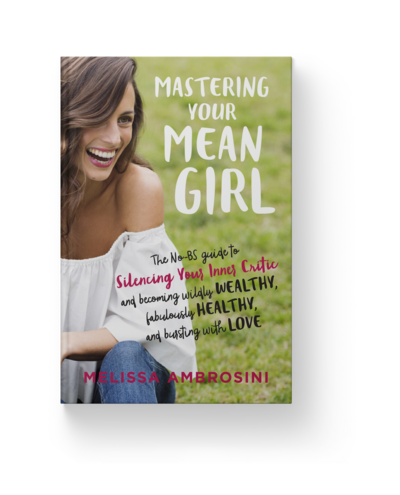
- Mastering Your Mean Girl by Melissa Ambrosini (book)
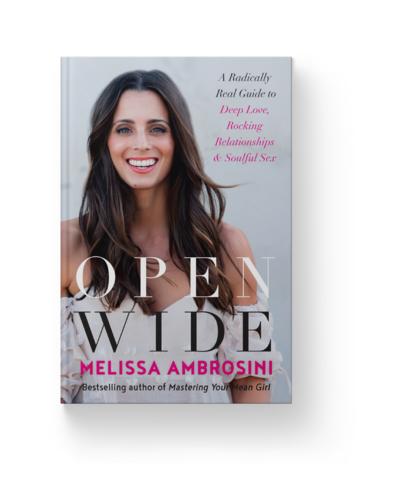
- Open Wide by Melissa Ambrosini (book)
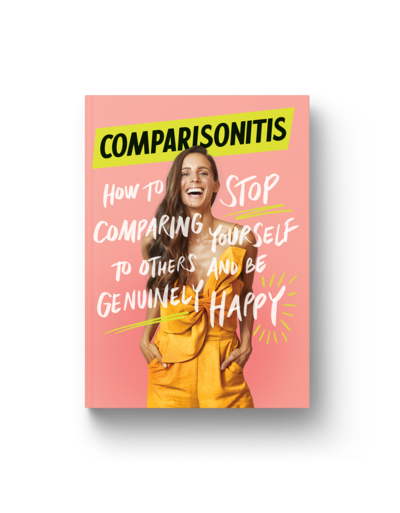
- Comparisonitis by Melissa Ambrosini (book)
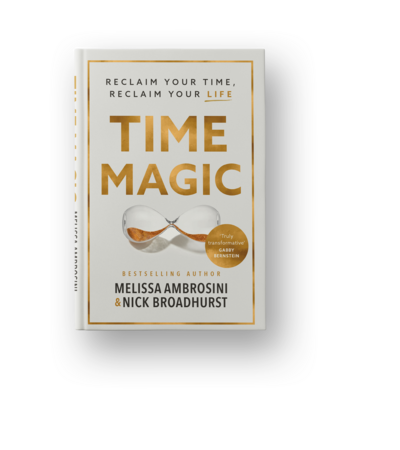
- Time Magic by Melissa Ambrosini and Nick Broadhurst (book)
- Stephen Cabral (website)
- Stephen Cabral (podcast)
- Stephen Cabral courses (website)
- Integrative Health Practitioner Institute (website)
- Personomics: The End of All Disease by Dr. Stephen Cabral (book)
- The Rain Barrel Effect by Dr. Stephen Cabral (get your free copy)
- You Are Not Overworked – You Are Overstimulated (podcast)
Prefer To Read?
The following transcript has been automatically generated and not checked for accuracy.
Melissa: [00:00:00] The Melissa Ambrosini Show. Welcome to the Melissa Ambrosini Show. I’m your host, Melissa bestselling author of Mastering Your Mean Girl, open, wide, comparisonitis and Time Magic. And I’m here to remind you that love is sexy, healthy is liberating, and wealthy isn’t a dirty word. Each week I’ll be getting up close and personal with thought leaders from around the globe, as well as your weekly dose of motivation so that you can create epic change in your own life and become the best version of yourself possible.
Are you ready? Beautiful.
Melissa: Hello, and welcome back to the Melissa Ambrosini Show. I’m so excited about this episode because I have one of my favorite humans back on the show, Dr. Steven Cabral. And you know I am completely obsessed with all things health and wellness. Because I truly believe that if you don’t have your health, you can’t show up as the mother that you [00:01:00] wanna be, the business owner that you wanna be, the wife that you wanna be.
So taking care of our health is absolutely foundational to living the life that we wanna live. And for those of you that have never heard of Dr. Steven Cabral, he’s a board certified doctor of naturopathy and founder of Equal Life, the Global Integrative Health Organization, providing at-home lab testing, personalized wellness protocols, and concierge health coaching to over 300,000 clients over the past 25 years.
He also founded the Integrative Health Practitioner Institute. Which has certified over 5,000 practitioners globally, and he’s the host of the Cabral Concept Podcast with over 3,500 episodes and 100 million plus downloads, which is absolutely incredible. He is prolific, this man, and for him, it all started when he was 17, where he overcame a life threatening illness.
And then [00:02:00] he went on to get his doctoral degree and completed over 2,200 internship hours all over the world, including India, Sri Lanka, China, Europe, and the us. His latest book, omics is the culmination of his life’s mission to provide a personalized approach in helping people transform their health in both body and mind.
And for everything that we mention in today’s episode, all of the links will [email protected] slash 6 9 4. Without further ado, grab your pen and paper. Let’s bring on the incredible Dr. Steven Cabral.
Steven, welcome back to the show. I’m so excited to have you here for what feels like maybe the 10th time you’ve been on my show. You and Nick are the most recurring people on the show, so I’m so excited to have you back. Before we dive in, can you tell us what you had for breakfast this morning? Has it changed [00:03:00]
Stephen: mildly?
Yes, mildly changed since the purple crushed smoothie this morning was, I got really wild and I had about a half a cup of mango and a half a cup of strawberries in my smoothie. But it’s still a smoothie because honestly, just like you super busy got two kids now, they’re getting a little bit older. But you want something that’s quick, that’s nutritious, that’s hydrating, that has all your electrolytes and everything.
So I very much enjoy it. And of course I eat whole food as well, but that’s, that’s been the, the staple for the last, well, couple decades now.
Melissa: Mm. Yum. I’m delicious. And yeah. So out of the box, you are adding some few extra fruits,
Stephen: not just blueberries. Now we’re adding a little extra. That’s right. Yes.
Melissa: Well, we’re here today to celebrate.
Your latest book. Your first book was incredible, the Rain Barrel Effect. I actually just gifted a copy to a friend last week for her birthday and she’s really getting into health, so that was a big win. She was very excited about that. But your new book, tell us about it.
Stephen: I appreciate that. And [00:04:00] so even when I wrote the Rain Barrel Effect, which was about eight years ago now, I had always planned to write this next book, which is called Omics, the End of All Disease, but Omics.
If we think about eight years ago, I mean that goes back to like 20 16, 20 17, right? Instagram and social media was really just getting going. Of course there was Facebook before that and YouTube, but there wasn’t the sharing of information like there is now. So when I wrote the Rain Effect, it was, this is how people get sick.
So become unwell and just low energy, low mood, all of the lows. And this is how we help people get well through bio individualized programs, which is kind of unique back then, which is bio individualized diet and exercise and stress reduction, tox removal and rest and emotional based balance, scientifically backed subs, and a success mindset.
So that’s the eight part formula, and then it’s, it’s just woven for each person. So one person might do much better. With a not low but lower carbohydrate diet, and another person does better with a higher relative carbohydrate diet. One [00:05:00] person does well with heavy weight training and sprint training.
Another person does well with more like walking and more body weight exercise. So that’s what that book was really all about. And omics now is really the, the sequel. It’s okay, now we’re ready to start talking about functional medicine, integrative at-home lab testing, blood work, genetics, all the things that people are really leaning into to find out.
How do I really know what’s best for my body? And so we can test the food sensitivity test. We can test everything from genetics to omega six, to Omega-3 levels to minerals and metals that we might talk about today. So that’s what this new book is about. It. It contains self-assessments, quizzes, so you know exactly what lab, but maybe you choose not to run a lab.
If you don’t choose a lab, it tells you then what protocol to do. So I try to make everything action oriented. So do this or if you have this, do that. And that’s, that’s the step-by-step plan in this new book, which I’m excited to get out there to people.
Melissa: Hmm. So good. We’ve been working with you for [00:06:00] so many years and if you’ve listened to my previous episodes, you will know that you pretty much saved my husband.
He was in such a deficit and you kind of really brought him back. And we’ve been working together. You helped me get pregnant. Both times you helped me after my miscarriage. Like you’ve been such a huge part of our life and we just love and adore the work that you do. And what I have really come to realize is that you are kind of flying blind until you do the labs.
You are literally just stabbing in the dark. And that’s why I love your comprehensive top five labs. And what they are are, they are five specific lab tests that give you an overview of what is going on for you, which is what I love about your work. So I thought it would be fun to go over my latest hair and mineral test.
Now, I actually did this [00:07:00] a little while ago, probably six months or seven months ago, but I would love to go through that and share where I’m at, reveal where I’m at.
Stephen: Yeah, absolutely. And so this, this is actually the, the most popular lab test right now. And we run over 50,000 of these a year and all over the world.
And so the reason is, and what makes it easy is it’s just a couple of nle, couple snips of here. From the back of the head and you’re looking at about a half an inch of hair growth each 30 days. So if someone snips about an inch and a half, if you have my, my hair is much shorter, so I could get, just get 30 days of information.
Other people, they might get 90 days. And so you let your practitioner know, but here’s a protein and it captures what is excreted into that protein, almost like skin. And so what we’re looking at is the electrolyte stress-based minerals that your calcium, magnesium, sodium, potassium. And it’s not just how much you’re taking in, it’s [00:08:00] literally how is your nervous system functioning.
So we’ll, we’ll talk about that. And then you go through all of your minerals like selenium and copper and zinc and phosphorus. Those are great to look at. And then we look at heavy metals and it shows heavy metal excretion, which could be lead or arsenic or cadmium or mercury or aluminum. And so when we look at these, we can say, okay.
Is the body being exposed to something we don’t necessarily want there. So it’s a very telling lab test. And that’s why I, I have two daughters now and it’s funny because when I started my podcast almost, what, nine, 10 years ago? They were, you know, two and four years older or so, and now it’s crazy. But, you know, they’re 10 years older than that.
And so, you know, they’ve, they’ve gotten to do this lab test over the years and I know you and Nick have done it and, and many other people. So this is a great one to start with. There are other tests, like you said, the big five for the gut health or food sensitivities, but all easy to do right at home.
This one is just the most accessible for sure.
Melissa: Yeah, and that’s another thing I wanna mention. Like [00:09:00] I love that they get delivered to my house. I do the pinprick in my finger for the bloods, the hair, the urine, the saliva. It’s all done in your home, which is amazing. And I’ll link to the lab tests for everyone in the show notes if they wanna get them.
I love that I can do it at home and I send it off, and then you get the results sent to you or one of your coaches and you analyze it and give a personalized protocol for you, which is just incredible. I’m so interested that this is the most popular test. Like I really would’ve thought it was more the hormone one and stress one
Stephen: really.
So that’s my favorite one to run. The stress mood metabolism test that gives you estrogen, progesterone, testosterone, DHEA, your cortisol throughout the day, which you can’t get for normal blood work. Then you get your whole thyroid profile, not just TSH, but T three, T four TPO antibodies for Hashimoto’s, vitamin D three blood sugar through hemoglobin A1C.
That that right there is an unbelievable test that’s [00:10:00] literally just as, like you said, a little finger prick that you would do to take your blood sugar for like a glucometer and then saliva tubes to get your free hormone levels. And again, all of this is, this is not new, it’s just new to to most people.
And these are the tests that I ran when I was 19 to help me get well. And it’s just amazing that I’m able to now do these today. But these are all third party CLIA certified labs, and it’s as good as running your blood work. I still think that people should run their blood panels every year and, and you and Nick do as well, and we look at those.
But truthfully, this is the fastest, easiest way to get access to information. Now, the reason why it’s the most popular though, is that. Not everybody wants to do a finger prick and not everybody wants to do this. This is a, a very inexpensive lab that most people can just get started with. So this isn’t the one they end with, it’s just kinda what they start with and they do it for their kids and then it ends up saying, okay, I’m gonna run the one for my gut health, I’m gonna run.
Now, I will say most popular worldwide is the food sensitivity test. So if you looked at all functional medicine tests worldwide, that is the number one lab by [00:11:00] far. People love to know what foods they’re sensitive to.
Melissa: Yeah, interesting. Okay. But yeah, I would recommend doing all five at least once a year. I just think it’s like an insurance policy and I love it.
I’m in a different phase ’cause I’m still breastfeeding, so I can’t do all of the detoxing and things like that. So. Once I finish breastfeeding, you can bet that I’m gonna be doing all five labs again and I’m gonna be doing a full protocol and just boosting everything in my body. ’cause after two pregnancies and a miscarriage, I do feel a bit depleted.
You know,
Stephen: it’s not uncommon at all. I mean, we, 70% of our practice is women and we look at it as three phases. So we actually look at it as pre-pregnancy, even before conception. It’s building the body up. It’s making it strong because during pregnancy you are literally creating new life in your body, right?
But it doesn’t stop after giving birth. It’s also think about the amount of energy and calories that your body’s using, the [00:12:00] nutrients to create breast milk, and then also the the lack of sleep, right? To be honest. And so you are being depleted, and that’s why it’s really important that. Nobody goes on a crash diet after giving birth just to lose weight or whatever it might be.
It’s that we’re very sensitive to the body at this time and that we’re replenishing it with nutrients. And that’s not just vitamins and minerals, but that’s all the amino acids, the omega threes for the baby system, baby’s nervous system as well. And just, you know, total calories and all of this matters.
So the labs that we talked about, the big five, they look at deficiencies and toxicities. And so that is how we become rundown is that deficiencies we have too little of something. Maybe it’s glutamine, maybe it’s zinc, we, maybe it’s selenium. We don’t know until we run the labs. And then the toxicities are just like you said, things that we’re not going to detox while pregnant or nursing, but we’ll do it before.
And so, you know, before you were pregnant we were already able to do the heavy metal detoxes and all those things, which is great because then you went into [00:13:00] pregnancy with, you know, really no heavy metals and that’s amazing.
Melissa: Yeah, let’s actually talk about my metal test because I worked with you and I had elevated mercury before I got pregnant and we did the heavy metal detox.
We got that down and then it was like, okay, green light, go make a baby. But I’ve noticed that my, you call it aluminum? We call it aluminum here that has rise. And I’m like, where on earth has that come from?
Stephen: Well, so yeah. And your heavy metals are really great. As you said before, you had some elevations in the past, you don’t anymore, you know, you’ve done the heavy metal detoxes and you also eat a very clean diet.
And the problem is, is that these heavy metals, and I’ll just name them again, lead, mercury, cadmium, or SIC and aluminum. And if, if I just take them one by one. So lead is in the environment, it’s often in lead pipes. Lead, paint, et cetera, so we can get lead and not even know it. And, and that doesn’t show up often, which is very good because lead is, lead is the [00:14:00] most toxic out of all of them.
And then mercury. Mercury is very common. It’s the second most common. That’s usually from fish. Now I know you’re not consuming fish, but that is where most people get the elevation. In mercury, sometimes it is from about 50% now of vaccination still contained. Mercury. Previous, when I was younger, at least there it was a much higher prevalence and that might be locked away in some of the tissues.
So that’s, that’s another place that you could get it could get it in certain water as well. Cadmium you would get from soil. And again, it could be from batteries, it could be from all sorts of different exposure. Arsenic is mainly from rice and a lot of other plant-based based products and aluminum, that’s the most pervasive.
That’s why we see, if we see one elevated, it’s aluminum because it’s in our drinking water. So if we, we’ll look at it this way. I think I might have shared this before, but aluminum is used actually as a surfactant actually to grab other metals when they are [00:15:00] filtering water at a larger treatment plant to remove.
But there’s no upper limit on the amount of aluminum that could be in the water. So we see a lot of aluminum in water. We see aluminum in the atmosphere outside. We see aluminum inside the house from the air that comes in from outside trapped in dust particles. It’s one of the easiest ways to actually locate aluminum.
And so then if the dust blows around, and again, it’s micro based fibers that we see, it’s entering the body. So aluminum is all all over. I mean, think about it, you get aluminum from showers, from baths, from your tap water, wherever it’s coming in, and I know that you, you see yours a little elevated and it’s true, but the safe level, the level that we don’t like it above is a 1.0.
You are a 0.47. And in an ideal world, we do want it below a 0.15. It’s very difficult to get up below that 0.15. So I will say overall, your levels are great. We always shoot for perfection, but your levels are very low.
Melissa: Okay, cool. [00:16:00] And anything else that came up in mind that we should. Look at
Stephen: so that we just went over your heavy metals, which was great.
So like I said, there’s no other metals and we do always compare them from lab to lab. And I looked at your previous ones and we can kind of see where things are prove, or again, the body’s not static, right? So just a few years ago, you hadn’t start yet, started a family. And so your labs are gonna look different after having given birth to, you know, to amazing kids.
And so when we look at your electrolyte. Minerals. So this doesn’t mean just consumption of calcium, magnesium, sodium, potassium. It means the stress-based reactions inside of the nervous system. It’s called the autonomic nervous system. We have the fight or flight branch, and then we have the rest and relaxed branch.
And so one of the things that we see is that over time when the body has become a little bit depleted after chronic stress or just wearing down on the body, it doesn’t always have to be mental. It could be physical as well. Your calcium levels are actually in the lower end of normal. Now we might say that’s great.
The problem is that your magnesium levels [00:17:00] are higher, and that’s always a sign that the body is no longer being able to produce the same stress-based response. So what does that mean? It means that your body’s still stressed, but it does not have the same drive. Not necessarily ambition because you’re an ambitious person, but the ability to even push through like you used to be able to push through in the past.
I dunno if that makes sense.
Melissa: Yeah, totally. Yep. It’s like the reserves aren’t there,
Stephen: and that’s what it shows. So at over time, calcium begins to fall and we have magnesium stain elevated. It’s What does that mean? Well, so calcium pushes fight or flight, the stress response and magnesium helps to blunt that stress response once it’s over.
So basically calcium fight or flight and magnesium. Pushes the body or stops the fight or flight. Potassium is what moves the body into what’s called the parasympathetic nervous system, which is why so often when someone has high blood pressure, we’re using potassium from foods, whether it’s avocado, bananas, coconut water, et cetera, to really [00:18:00] get more potassium in the body.
Tell balance that parasympathetic not just to balance sodium. Now when we look at your sodium potassium, we see elevated sodium and we see low potassium. This is a sign that the adrenals are still. Cranking, but again, not being able to compensate to the same degree. Why would sodium be an, an indicator for the adrenals?
Well, keep in mind we, you, we always do run your stress metabolism test, so we can actually look at your cortisol levels. It’s a different lab, but sodium is a proxy for a hormone called all aldosterone. And aldosterone helps to regulate sodium and potassium retention in the body. So the higher sodium we see, most likely the more production there was of aldosterone when potassium falls.
The issue is we don’t have that same strength of reserve to be able to push through. So. Oftentimes it can feel like accelerated heart rate. Sometimes people get shaking, sometimes they’ll get tension based headaches. Sometimes they’ll get, you know, waking [00:19:00] two, three o’clock or so in the morning. We often see muscle loss, weight loss, thinning of the hair, thinning of the skin.
This is, these are just catabolic based signs that we often see with this electrolyte pattern.
Melissa: Yeah. Okay. So what would you recommend?
Stephen: So in these particular cases, we’re using the whole de-stress protocol. So if we were to kind of run through this, we would say, okay, diet. What do we want from Melissa? Well, we wanna make sure that she’s not on a hypo caloric diet.
We wanna make sure that she’s on enough calories, not just for her, but her busy lifestyle. Or baby, et cetera. Okay, then we wanna say it can’t just be enough calories, it needs to be enough carbohydrates. Now it’s, I definitely believe you needed to get enough protein to help rebuild the tissue of the body and a good healthy fats, no doubt about it.
But carbohydrates specifically are the only thing that cut cortisol and stress. And so if we believe that there’s more stress right now on the body, which there is, we, we have the labs here now showing it. Well, we need enough carbohydrates at each meal and especially dinner, believe it or not, in order to be able to cut cortisol, especially at dinner, so that [00:20:00] we can produce more melatonin and more serotonin at night to have a great night’s sleep.
So serotonin gets produced first and then it actually leads to melatonin. So that’s a big one. In terms of exercise in this state, we don’t wanna do a lot of hard exercise ’cause the body’s already showing us that it’s stress. So we’re looking at walking and swimming and some body weight exercises. You know, things like, things of that nature that are calming the body hot, the yoga, maybe some light Pilates.
Nothing crazy though in terms of. Hard workouts. Nothing wrong with some strength training, just not to failure. And then if, obviously, stress reduction. We wanna work on breath work, residents breathing. Our 3, 2, 1 self-care routine. At night, you’re doing the best you can. Three hours before bed, you try not to eat two hours before bed.
Something calming, no liquid. So a warm bath would be amazing. Again, you, you’ve got little kids at home. I totally get it. These things aren’t always feasible, but those things have all been shown to kind of relax the nervous system and some manual things that I like is putting on a little vagal nerve stimulator and [00:21:00] that allows you to kind of manually calm the nervous system while maybe working on some breath work.
Just even just five seconds in. Five seconds out. Just just flow in through the nose, out through the nose, reading a good book 20 minutes before bed, trying to get to bed early. Those are all great things. And then supplement wise you might say, well, I’m taking too much magnesium ’cause my magnesium’s elevated.
It’s actually not the case. The only way to ke keep calming stress. You don’t wanna overdo magnesium in this case, but you get a little magnesium, a product that I would recommend, although you have to go easy while nursing is adrenal soothe that contains ashwagandha phos, seine sine and L-theanine. Those are all really amazing for cutting cortisol.
They’ll reduce your cortisol by at least 33%. So that’s pretty amazing if taken at night. And then if you didn’t want to do those, you could certainly use a cha mlt, which would be nice and calming for the body. Even ginger teas very calming as well. So those would be all good places to start.
Melissa: I love that.
And why would you avoid the adrenal soThe while you’re breastfeeding? [00:22:00] Because I actually just remembered that that’s not in my protocol you gave me and I was like, why is he not giving me adrenal soThe? But I remember it was something to do with the breastfeeding, but what is in it that you would want to avoid?
Stephen: Well, we just don’t use a lot of herbs while pregnant or nursing, and so it’s simply the. As a board certified doctor of naturopathy, the first rule has to be do no harm. And so, although no harm would most likely come from using serin and ashwagandha that I prefer to use just vitamins and minerals, good quality whole food, omega threes, some vitamin D three probiotics, like the things that we know that you need and your baby needs, but not necessarily any herbal base unless we need to.
So like literally, if you’re not sleeping, then yes, we will use some of those things and that would be totally fine. But if I can help you with less that I’m gonna help you with less and only add more, especially herbal based if needed. And I would simply start with some [00:23:00] altheine and then I would move over to the adrenal soThe, which is a, a stronger, it works better.
But then I would move to that if needed.
Melissa: Mm-hmm. Okay. Interesting. So many women feel fried. So many women feel overstimulated. They feel overwhelmed. Cortisol, this is what I’m hearing from friends, from clients. They feel like their nervous system is fried. So how can we support the nervous system to repair, to rebuild, to heal when life isn’t going to slow down?
Is it simply doing the de-stress protocol or is there anything else that you would add on top of that to really support our nervous systems?
Stephen: So we have to start with like the true foundation, which is sleep and then food. So it’s actually sleep first and then food. And the reason why that is, is that the only repair that’s really gonna take places during true downtime.
And so we need to just try to get more downtime. And so [00:24:00] truthfully, like let’s say that it’s a, a new mom. New mom is literally with her baby. A lot of the time she’s nursing. But when she can nap, she should nap. And that goes for like literally as many. Moms that can do this is possible. Now I understand not every mom can and, and people have different responsibilities, so I, I get that and I appreciate that.
But if we just go back even a few hundred years, you would’ve people helping you out. That’s the issue. We don’t always have people helping us out nowadays. I know when, you know, my wife gave birth to our first child. It was my wife and I in the city and there was nobody else. Like, that’s it. And I had to go to work and like, I mean, it’s just the way that it was.
And so she was left kinda like doing everything. And so like, I get it. It’s not easy, but the best that she could do is she’s gonna sleep when the baby’s sleeping. And at least you can then start to, ’cause that is the only time you’re calming those nerves. If you want to calm the nerves. The, the nervous system, literally the nerves, right, is to then say, okay, well what else would work?
Well, [00:25:00] breath work of the resident’s breathing that I was just talking about, that’s an amazing one to do. Basically, you can even just look this up on YouTube. You watch a circle expand. You watch the circle close and that will double your heart rate variability. Just doing that for three minutes, that is a great way to get in resonance with your nervous system.
PMF mat is amazing. So lying on a pm MF mat, which is kind of, you know, partially downtime, sauna is good, but it can be exhausting, especially if you are depleted. And so like sauna would not be something that I recommend for you right now, even though it’s great, but it is a little bit more depleting. Even the heat right now.
Cold plunge would be a definite no because that’s stimulating red light could be a yes, but I would honestly say grounding, going out, taking a walk could be amazing. Some warm baths would be amazing, even if it was just a foot soak. Yeah, those, those are some of my top ones.
Melissa: Yes, I love all of that and so many of those are free, you know, like going outside and having an Epsom salt bath and breathing and [00:26:00] rest.
The thing with me, Steven, and we started talking about this before we hit record, is like, I have no trouble getting to sleep. It’s almost like Nick’s like mid-conversation and I’m asleep, so I have no trouble getting to sleep. Sometimes I just wake up in the twos, but sometimes I get woken up saved by a noise.
Like last night I got woken up at 1 45 by a noise and instantly my mind started racing and I felt the adrenaline and cortisol in my body and my body was like sore. I felt like I had just run a marathon and I’m like, then I was up. I was up for about three hours.
Stephen: Yes. I’ll tell you that’s more exhausting than going for a run.
And the reason just ’cause you’re lying there is because it is, it is frying the nervous system. When people say, my nerves are fried, is literally what they mean. Like you’re surging cortisol and norepinephrine through your body, which is increasing your heart rate, and it is [00:27:00] raising your blood pressure and you’re literally running, you’re in fight or flight.
So part of it’s, it’s twofold. So one, and I, again, I was a complete insomniac all through my teenage years and in my twenties, and part of it was that if I, well, I, I had the opposite problem. I couldn’t fall asleep, so that was a big issue. Sometimes I would just, I would lie in bed, but I would just never fall asleep, which is.
The strangest thing. It’s really odd and it couldn’t turn off my mind now, but for both of us, it is often the worry that you won’t be able to fall asleep or back to sleep that keeps you up. And so the first part is literally that rewiring, like, I’ll even say that. I think that’s how I literally got through.
It’s like I said to myself, it’s like, it’s okay if I don’t fall back to sleep. I’m just going to rest. I’m just going to relax. I’m okay. Like I’m safe. Literally like that is the first part to it. And the second is that for people who do wake up during the night, we will, we use things to rewire the body.
’cause some people, they’ll come into our practice like it’s been happening for [00:28:00] seven years. Okay. Been happening for seven years. We’ve got some work to do, right? So we’ll use a time release melatonin or we’ll, we’ll do things that are gonna keep the body in a deeper sleep. What I’ll have people do is I have them keep the liquid melatonin beside their bed.
’cause it doesn’t take a lot. And so they’ll use a quarter dropper, a half a dropper if they wake up and not even to think about it just under the tongue. And if it’s three in the morning, might they be a little groggy if they wake up at six 30? Yes. But they’re not gonna do this forever. We we’re literally retraining the body to stay asleep through the night.
And we need to do specific things in order to get that body to not wake up at two to three. Now I always tell people, if you’re waking up between two to three or between one and three, and. You have something on your mind. What is that thing? Write it down. ’cause it’s most likely the same thing in variations of it.
That is the thing that, sure, we’ll use good nutritional supplements, but [00:29:00] ultimately the root cause isn’t the lack mo. It could be the lack of melatonin, but the root cause is really this thing that is keeping your mind active when we need the mind quiet and relaxed. So best thing to do, put something else in your mind before bed.
That’s why I like people to read. That’s why I like to, I like to be mindless though, not even setting goals or all of those things. That’s great. But that’s really working. The mind before bed, 30 minutes before bed, read fiction, read something, relaxing, and then. Try to go right to sleep. Sleep and hopefully then your mind isn’t working out the problems of the day.
Work the problems out of the day at four o’clock, five o’clock before it’s dinnertime. Write them down in your journal. Know that you’ve got this, you know, engage in your faith and and allow another force outside of you to also help with this. Then when it’s bedtime, that’s not the time of the day to be working through the problems.
Melissa: So do you really feel like it is more of a mindset thing or could it be the imbalance?
Stephen: Oh, it [00:30:00] can be the imbalance. I mean, it could be low blood sugar, so literally people can drop into hypoglycemia and what happens then is that cortisol levels surge because cortisol is a glucocorticoid, its job is to bring sugar into the bloodstream.
So that would be a normal adrenal cortex based I issue. The second is that people really are loaded with environmental toxins and that really is a time where the body. For the most part, transitioning from deep sleep to REM sleep and it in many, it’s not just Ayurvedic medicine, it’s also traditional Chinese medicine where the liver is working on a lot of its detoxification now.
It’s doing that all day long. But specifically, I mean, it’s only so many different forms of medicine that say it over and over, that this could be a liver detox based issue. Now that’s unlikely to be the cause for you since you’ve done so many years of good detoxification and a really clean diet, probably not that, but.
Then we go back to blue light exposure before bed. That [00:31:00] can dysregulate your night and day. And then thyroid is also another particular issue. So basically you can have a underactive overall thyroid hypothyroidism. That means a TSH basically above a 2.5. In conventional medicine, it’s above a four or five, but thyroid for most people, gets a little bit of a kick around 3:00 AM that’s when it starts to rise in the body.
Cortisol takes its signal actually from thyroid a few hours later around 5:36 AM That’s a much more normal time to rise, but some people can get that kick around 3:00 AM and that wakes them up. So our job is to look at what was the thing that’s waking the individual up. And we always start with is something on your mind like, yeah, I wake up every single night thinking about this.
Okay, it’s that thing. How do we work on that thing with a therapist, a counselor talk therapy, et cetera, along with the de-stress protocol. We’re not gonna just rely on that. ’cause that might take weeks or months. Let’s also rely on the rest of the distress [00:32:00] protocol as well.
Melissa: Yes. I feel like for me it’s not the same thing every night.
It’s just something. And so like I get out my phone and put my blue light blocking glasses on and I type it out, but I shouldn’t do that. I’ve got to just write it in a journal because there is stuff on my mind. You know what it’s like business two kids. I haven’t created that space for four or 5:00 PM to kind of let out anything that I needed to let out or process anything from the day or even like have a conversation with Nick or whatever it is.
So I think that’s gonna be really powerful for me. But like what we tend to do is then have our conversations at like 7:00 PM when the kids are in bed and it’s like, that’s when you wanna be winding down, not be having. Life conversations.
Stephen: It is true, but that, that’s actually, that was gonna be something that I recommended, is that, you know, you and Nick see if you can talk it out, but it, it has to feel resolved.
That’s the only issue. If it’s not resolved, if it creates more, it’s more to think [00:33:00] about. What might be helpful is instead of a journal, although I, I do think putting pen to paper is, is ultimately the best, or typing it out because you see it in front of you in the real world coming out of your mind, and that seems to be very helpful.
And there’s, there’s good science behind that as well. And neuroscience, however, leaving yourself a voice note. Is not a bad way to get it out of your body and off of your chest, literally as they say off of the heart. And so that could be a very nice way of doing it. I mean, people have all different ways that work for them.
Some people do chanting or humming and that like, believe it or not, humming, stimulates the vagus nerve, the vagal nerve. And so what that means is that it starts to calm the body, literally just chanting. Um, like that cha that vibrates that, that vagal nerve or even just humming the word n any of that, you’ll fill it through your sinuses.
So that can be helpful. Singing bowls are amazing as well. I don’t know if you’ve ever used singing bowls too, but that vibrates through your body instead of you using it. So everybody has the thing that [00:34:00] seems to work for them and I would encourage people to experiment. But remember, these take a few weeks to really get into.
It just doesn’t happen overnight. You might get lucky and it happens that night. Amazing. But what you’re looking for is not perfection, but you know, six outta seven nights, you’re starting to improve and, and that would be ideal.
Melissa: Mm. Yeah. So many little things that we can be doing that really move the needle.
These tiny tweaks that, like you said, they feel a bit awkward at the start, but once you’ve done them for like a week or two weeks, they become so habitual and part of your evening routine. That just makes such a difference. It’s so crazy because like, I’ve never had sleep issues before in my life, like before kids, Nick used to be like, you could go to the sleep Olympics.
I would get in bed, I would fall asleep, I would sleep soundly for eight hours, wake up, bouncing out of [00:35:00] bed. You know, it’s just so different. There’s so many different factors now, so I think. The fact that we’re highlighting the importance of sleep for recovery, for nervous system, for high achieving women who are also mothering.
It’s just so important and it’s a low hanging fruit and something that all of us can start to tweak that really will move the needle.
Stephen: Absolutely. And a few other markers on your minerals and metals test was that you were lower on a lot of your minerals, such as zinc and copper and selenium. And so why, why that’s important is that zinc is a really important mineral.
To allow the body to rest and recover zinc glutamine, vitamin C and the B vitamins. And so anyone that is feeling depleted such as yourself, I would very much encourage using something like the daily nutritional support or the activated B complex. And the reason is is that a lot of people talk about methylfolate and B nine for pregnancy and nursing, which is amazing, right?
No doubt about it. [00:36:00] But in order for that B nine to really work, you need vitamin B six, which is probably the top one for the nervous system B12, and also vitamin riboflavin B two. And so all of that helps to transport the, the B vitamins, the methyl donors that you need in order to calm the nervous system.
So it’s, it’s never usually just one, you know, back when I was trying to get well. Many years ago, you know, they’d say, oh, well take coq 10 for your energy or take B12 for your energy. And I remember given like being given meth, methyl cobain, B12 injections. And although that can be very helpful if you’re low in B12, it’s usually not the only thing.
And so using a a much more well-rounded approach, it is usually the most beneficial. And I would just wanna make sure too, that you’re getting enough nutrients so that your nervous system has all that it needs to stay calm. And so when we think about it, B vitamins are actually nicknamed the anti stressed vitamins.
And because they get depleted. When you’re stressed, and again, it’s not just a mental stress, right, [00:37:00] or emotional, it’s also physical and, and being pregnant and giving birth and nursing is, is very physical. And so you need to make sure that you, you are recuperating in that way. So this is there, these are all just pieces of the puzzle.
And it’s never just usually one thing. And so our job is to look at all of them and unless say, yep, I got this, this, and this. Those areas are done. Great, well here’s two more to work on. Let’s test those variables. How does that work? You’re like, oh, I’m actually seeping about 60% better. Okay, great. So we’re gonna keep those in because if they weren’t working, we don’t need to keep them in.
And then we’re gonna try this now. And so that’s, that’s typically the true way that people heal and get well.
Melissa: Mm-hmm. It’s interesting because before I had kids, I would hear people say, I forget to eat, or I forget to drink, or I forget to take my supplements. And I used to be like, what do you mean you forget?
Like, how do you forget? But I get it. There will be some days where I’m like, I have not had a glass of water. All day, and I’m not recommending this, but like, I’m like, oh my goodness. So [00:38:00] I’m making a conscious effort to drink more water, to not forget my supplements. I never forget to eat. That is definitely not a thing for me.
But it’s more the water and the supplements because you know, you’re in the morning and you’re focusing on their breakfast and then you are eating and then it’s like teeth and you are getting out the door and it’s just like, wow. I can see how that can happen. And that just means we have to be even more diligent, like put reminders or you know, post-it notes or whatever we have to do to help ourselves remember so that we don’t forget.
Because I feel it if I go a couple of days without taking my supplements right now for this season of my life, I feel it. Do you know what the biggest one for me is? Is like we ran out of your DNS, which is your daily nutritional support. It’s the most delicious protein powder mixed with vitamins and minerals.
It is so good and we ran out of it and then it [00:39:00] takes a little bit of time to get back into where to Australia and I felt it. I felt the difference and then I started having it again and I felt so much more energy in my body and I was like, wow, that’s interesting because it’s never been that apparent for me if I miss like supplements.
I’ve never felt really that different. I’ve always just had so much vitality. But right now, definitely I feel the difference when I go a period without taking my supplements.
Stephen: A couple things on that one is like that’s why I do keep my breakfast and lunch very regimented and always have so. You know, my, my wife amazing taking care of our kids and they’re 11 and 13 now and all that.
But I’ve always had to wake up early, be early to work, all of those things. And now I, I’ve, the last five or six years I had the luxury of helping my kids get ready in the morning. [00:40:00] But I do the same thing at the same time every day, Monday through Friday. And what that allows for is that I don’t have to think about it.
It’s now burned in. Right. And so it’s like, that’s really important for moms as well and, and caretakers, people who put everybody else essentially first so that you are fueled to be better for everybody. I always say, obviously I didn’t make this up, but it’s just so much easier to pour. Not from an empty cup, but a cup that has what it needs first.
And so like, that’s how I look at it and that’s why I get upset if I ever get a, a cold or a virus because like I do take care of myself. I’m meaning like, I’m gonna take some downtime. I’m not gonna be the fun dad at dinner. I’m not gonna be like all like, I’m just not gonna be as energetic as I usually am.
’cause I’m conservant energy. And so for me, if I just stay on top of those things, I get to be who I want for other people. And that’s why again, I do this smoothie in the morning. It’s just, it’s just easy honestly. And you can have other food with it. It’s not that you can’t, I just make it easy and, and then at lunch I have my whole food lunch and I’m, and I’m good to go [00:41:00] and that is what I recommend.
But in-person genomics, because I know supplements can be confusing. So what I recommend is just, most people, honestly, most people, if they’re just looking for a place to start the daily nutritional support or a daily activated multivitamin, then, so that’s one. The second one is a daily Omega-3 support.
I’ve run tens of thousands of omega six to Omega-3. It is. Nine out of 10 times, you are not gonna be at a balanced three to one level of omega six, six to omega threes. And it’s the number one you can do, thing you can do for your heart, which is the number one killer of all men and men and women, and it starts decades in advance.
And the third one is vitamin D three. Now many people in Australia have that covered. They maintain a tan, but a lot of people don’t like they’re in the sun, but they’re covered in sunscreen and so they don’t actually get vitamin D three. So if you can just do those three nutritional supplements, most people are very well taken care of.
And then. You can touch up the other areas that you may need a little bit of magnesium at dinner or a little bit of, what did we talk about before, [00:42:00] adrenal soThe to lower the cortisol levels. Or maybe you need thyroid support. You take daily thyroid support, or you need more B vitamins, but like you’ll be able to lab test and find those things out.
So that’s the best place to start for most people to just right away, as you said, start giving their body the nutrients that it needs. ’cause it’s not magic. It’s just like, oh, all of a sudden now I get all the B vitamins and I get all my minerals back into my body, like zinc and copper that my mitochondria need for a TP production.
It makes a huge difference. It doesn’t take away the stress of life. It just allows you to respond that much easier.
Melissa: Mm-hmm. Absolutely. What is the fastest, quickest tool for stress that takes under two minutes that we could do when we’re feeling fried or when we’re feeling stressed or overwhelmed. Would you say breath work?
Stephen: Yeah, a hundred percent. I used to do that in my clinic. I, I, I used to run a, a crazy schedule. When I first opened my clinic, I was easily working 80 hours a week. And I don’t say that like, as a badge of honor. I say that as like, that’s what I had to do [00:43:00] to make it work. And, and it worked, which was, I was very fortunate for.
But I would, oftentimes, I would just be running from, you know, problem to problem, right? So I’m helping people in my clinic who are not well, and obviously it’s my favorite thing to do and I wanna help these people, but I could also have like the toilet clogged in our spa based area. ’cause I had a functional medicine center, or the front desk person didn’t show up for work or, you know, whatever it might be.
Like all of those things. So I would, if I felt my heart rate getting there, I’d be like, all right, we’re just literally, all we’re gonna do is five seconds in, five seconds out. We’re not gonna speed up breath work. We don’t need to get through fast. We actually wanna do it slower. And all I needed was that one minute of basically six breaths and I was back.
Centered to a greater degree and then I could respond because if not, I mean this fiery pet of temper would, would get a little bit hot sometimes and, and I certainly didn’t want any of my patients or any of my, my people to see that. At [00:44:00] least not too often. So yeah, breath work is the number one thing.
Close your eyes and if you can put on some binaural beats, some headphones. And I would go for a walk during lunch. Like that was my thing. I’ve talked about this before, but that was my midday reset. I left my clinic every day around 1230. I put in headphones. I listened to binaural beats, which entrains the brainwaves to go to a more quieter state.
Not quite theta, but getting there towards the rested state. And I would just walk outdoor scenery, you know, again, it was a city but still outdoors and breathe and that’s it. And that helped tremendously. And then I would go back to work for what I called day two, and that was my second half of the day, which was, you know, probably another six or seven hours.
Melissa: Yeah. Beautiful. It’s so powerful. It’s free. We can do it anywhere. So this morning I got woken up by my kids. That doesn’t always happen. Usually I will wake up before them and then that’s when I meditate. I pray I do my breath work, but yeah, it, it was one of those mornings and it’s all good. So I didn’t [00:45:00] get my opportunity this morning to meditate, to do my breath work and prayer.
So after I dropped Bambi at kindy this morning. I just put on the breath work. I just listened to, I think it’s called Breath Work with Sandy on YouTube and he’s got so many amazing ones. And I just put that on, it was like a 10 minute nervous system one, and I actually did it whilst I was driving home in the car and it was fine, you know, like you are not closing your eyes obviously, but it was the only time I could get to do it.
And so you gotta do it when you can do it. And if that is driving or if it is standing in the line at the post office or waiting in school pickup line, like whatever it is, like just get it in. It’s like for me, breath work, meditation and prayer, they are just my anchors. I instantly feel my nervous system drop.
I feel calmer, I feel less overwhelmed, [00:46:00] less stimulated, and all of those things I can do anywhere. And they free. A
Stephen: hundred percent. And really nice one too, while doing the meditation or breath work is the yoga pose where it’s just legs up the wall. And so basically you’re in your back, you put your legs up, and what it allows is just for the blood to flow down out of the calves and ankles and actually helps to nourish the adrenals and kidneys, which in traditional Chinese medicine is the seat of that sheet.
And so it’s a, it’s a really nice one too, and I find that to be very relaxing, whether you’re in bed and you put your legs up the wall or just, you know, anywhere on a yoga mat, on a towel, and, and that could be quite nice, but if you can, you mentioned it earlier. Try to wake up and you get 30 minutes to yourself.
It is night and day. The days that I get 30 minutes to myself and now I have an hour routine typically that I do. It is part of getting ready, but like I’ve got this hour routine before other people are up. And so if I get that in, I don’t [00:47:00] need too much other time during the day. It can be everybody else’s time and I’m very happy with that.
And then I do my workout essentially right before dinner and I’m good. Like I really am. But if I don’t get that time, as you said, and you’re rushed into your day, you do have to be able to respond to it without feeling then rushed the whole day. And so that takes, that certainly takes some practice, that’s for sure.
Melissa: Yes, absolutely. And I found, so when I got home from drop off this morning and I had this amazing interview with you, I said, okay, you need to take Prince. I’m doing 15 minutes of breath work and meditation. And so I got that in just before our interview, which was so good. But usually I would just. Take Prince and have him until the interview time, you know, five minutes before and then he goes with Nick.
But I was like, Nope, I need to do this for myself. Otherwise I’m going to feel almost like behind the eight ball and just like chasing my tail all day. And also like a bit disappointed that [00:48:00] I didn’t get that time for me to fill me up. Like I can still function and I can still show up as the best mom that I wanna be, but I just feel like, ah, I would’ve really liked that.
Stephen: I agree. A lot of people have other anchors. So for example, my wife, she won’t necessarily go through a whole morning routine, but she has a matcha. Latte matcha tea that she loves, and so if she gets to make her matcha tea, even if it’s just taking it with the my daughters to drive them to school or whatever it is, that’s part of like her morning ritual.
And so many people have that, whether it’s a coffee or whatever it might be. If there is something that you can enjoy to start your day as your morning anchor. It could be just a minute or two. It doesn’t have to be an elaborate routine and, and that can be something that brings you joy, but it really is, it’s about, you know, what, what we’re all trying to find more of is more joy and more peace, which leads to then more stability and, and really, you know, love for life.
And when we don’t have that, you know, joy, when we feel it, we don’t have the stability. Well, it’s because again, [00:49:00] we’re missing the joy that, that we’re really looking for. And so that’s kind of, it’s just those little moments that I kind of lean back to as like, I’m always, even though I do my breakfast and all that, I do enjoy a cup of coffee, you know, late, little later in the morning.
Like, oh, this is really nice. Like, I get to have a cup of coffee again. What is it like, you know, I make it at home 25 cents. Like, it’s not about the money, it’s about the ritual of that. And then again, getting to do an interview with you. It’s amazing because for the most part, like I’m in meetings with my teams or I’m reading labs or whatever it might be, oh no, I get to catch up with Melissa.
So it’s like I get to do these things, which is also another nice way of looking at it because daily routines could become mundane for anybody in their job or moms with their job of. Taking the kids to school, picking the kids up, making lunches, making dinner, like doing all the things. But when you start to just reframe it, life becomes a little bit sweeter.
That’s, that’s what I’ve had to learn over the years and it’s been very helpful for me not thinking that there needs to be any big thing. It’s like, oh no, I’m doing the things right now that [00:50:00] really life is all about.
Melissa: Yes. And another reframe for me, which has really helped with those ground hogie day things that we do, is reminding myself that this is not forever.
And I will look back and I will freaking miss making the school lunches like, you know, those sorts of things. Like we will look back and we will miss it, and we will look back and we will miss getting woken up by our kids in the morning. We will miss those things. So I like to kind of think about future me and how I will miss those moments.
Because one day she’s not going to want me to lay with her until she falls asleep. So I just embrace it. I’m like, this is my season to do this. And for me to just show up as the most present and loving mother like that is my daily goal. So that their childhood is something that they look back on and go, I had such [00:51:00] an amazing childhood.
My mom and my dad, they loved me so much. We played so much, we danced. You know, I want, I think about what I want them to tell their future husband or future wife or future friends. You know? I think about that and then by thinking about that changes the way I show up in my everyday life.
Stephen: I mean, be being present and thinking about being present and knowing how that will affect, you know, your children for years to come, I think is, is is the best thing.
I mean, that’s, that’s what’s most important because that is where the time goes. It is amazing. You know, I’m, it’s already like I can start to be that person where I have an 11, 13-year-old how. How crazy is that? I never thought I’d be the, the, the guy that said that. But the years, just as they say, the years keep flying by, but probably the best term is that the days are long, but the years are short.
Right? And when you’re in it, you’re like, oh, well it’s hard for me to like really enjoy this moment because the days feel long, especially with little, little ones. [00:52:00] But the years really are short. And so having the bigger picture in mind for all of us, I think is what helps the, I call it the, the first leading cause of disease is stress, right?
The second one is typically gut-based issues and that leads to a lot of autoimmune issues, et cetera. So if we can work on our stress, it is the number one thing that we can do. ’cause then we get better sleep, we have less depletion of our vital minerals and reserves and, and we can enjoy life more, which I think is truly what we’re all looking for as well.
Melissa: Absolutely. Now another thing that I love about the work that you do is your books, this one and the Rain Barrel Effect, all the proceeds go to charity. And I absolutely love that. And so where can people find your books? I wanna also encourage everyone to listen to your incredible podcast. Nick actually sent me one this morning.
Let me just check which one he sent me. You are not overworked, you are overstimulated. So he sent me [00:53:00] that and said, listen to this babes. So I think he’s trying to tell me something.
Stephen: Every Monday I do a mindset and motivation Monday, and I know that it’s not, you know, maybe something that a, a doctor of naturopathy would typically do, but we’ve been talking a lot about mindset here today.
And without that, I mean, when you look at the de-stress protocol, stress, emotions, and mindset, like that’s mindset. That’s three parts of the eight part process and, and it affects sleep, right? So that’s half of it. And I, I just feel that we, we sometimes look at everything but. Our stress because it’s the hardest thing sometimes to solve, but it’s most likely the most worthwhile.
So then use the diet and the exercise and the supplements to help, you know, support the stress. But we need to work on that. So, yeah, it’s, yeah, tho those are, I mean, I love doing the, the Daily podcast and I hope to do that for, for many more years to come. And the mindset and Motivation Monday will, will continue to be part of that.
But yeah, the books are more brass tacks. The reason why I write books [00:54:00] is that we have 5,500 integrative health practitioners now, and we have, you know, many more people around the world obviously interested in their health. I wanna just give people a play, a playbook. That’s it. So I will, I’ve, you know.
Working now and, and hope to be working for many years in the future. But one day I won’t and I simply wanna pass forward what I, I know to work. I learned from my mentor, Dr. Pete, who learned from her mentor, Dr. Vasant la and I think all we’re trying to do is further the, the next generations. And that’s ultimately my goal.
But there are millions of people out there who will listen to this show and didn’t even know that they could do their own functional medicine at-home Lab test. You know, that there are protocols for sleep or for thyroid, or for autoimmune or for gut health, or for heavy metals or for mold or you name it, there’s something out there that we can help them with.
And not just us, but again, like I said, integrative health practitioners all around the world. So that’s, that’s my job. The, the books, everything’s at my website, Stephen cabral.com. They’ll be able to find omics, the Ray Merrill Effects [00:55:00] podcast, et cetera. So yeah.
Melissa: And you can go to the website. And this is what I always say to my friends whenever there’s like a question, some of my friends come to me, they might ask me about perimenopause or they might ask me about thyroid or like deep vein thrombosis, like, and I just go, here’s his website.
Type in the search deep vein thrombosis and, and all of the episodes will come up. And so if you are dealing with something thyroid, whatever it is, go to Dr. Steven Al’s website and type in the search, whatever it is. There will be probably not one but many episodes on that specific thing. And grab his books, listen to his podcast, subscribe.
You do so many episodes every single week. I also love that you have your incredible, your incredible integrated practitioner institute. So if someone wants to become an integrated practitioner, health coach, like. You do and, and all of your incredible coaches, they [00:56:00] can do that as well. There is so much goodness that you share with the world and you know how much Nick and I just love and adore you and all the incredible work that you are putting out into the world.
But before we finish, I have three rapid fire questions for you. Are you ready?
Stephen: Mm-hmm. I think I’m ready.
Melissa: Okay. One thing that we can do today for our health,
Stephen: remember to hydrate first thing in the morning. That was for you. Yes. First thing, hydrate.
Melissa: Yes, I do. Do my first glass and I’ll tell you why I do my first glass with a little pinch of salt and the lemon juice and the warm water.
I do that because Nick makes it for me and puts it in front of me.
Stephen: That’s great. That’s what you need. You know, you need a partner, you know who’s helping you with these things. For sure. Yes.
Melissa: There’s the stainless steel straw in it as well, so I don’t ruin the enamel on my teeth. And he’s like, here babe.
But sometimes, well, in the past that was the only glass I had all day. But no more. I am determined I will get my water intake up. [00:57:00] I promise that.
Stephen: Good. That’s what I like to hear. That is, that’s the foundation. So we need to start there. And electrolytes for you would be a great start as well. Yes.
Melissa: Yes, yes.
I’ve just started adding those in as well. Okay. Next one. What is one thing we can do for more wealth in our life? So more abundance in all areas of our life.
Stephen: My goal would be to get around more like-minded people. I’ve, I’ve always stagnated when I haven’t been a part of networking or mastermind or just great conversations.
And then I’ve, without even trying, I’ve accelerated in my spirituality, my, my career partnerships, et cetera. When I’ve been a part of groups of just like-minded people and seen speakers and, you know, I, I, I fortunately get to talk at a lot of events and go to a lot of events, but oftentimes it’s, these are things that I do every day.
When I get outside of my comfort zone and I meet new people, which is what I’m doing, you know, right now, I get exposed to new ideas and those new ideas. You just never know where they’re gonna take you. And [00:58:00] so I love that. Yeah, I love that.
Melissa: Yes. I totally agree. Being around expanders is just so good for your health, for your relationships, for your business.
It’s just so good. I absolutely agree. And I think you and I, our personalities were the, the pitters, the Type A, like we really get fueled by it, so I love that. And the last one, what is one thing that we can do for more love in our life?
Stephen: My number one thing is slowing down. ’cause it’s the hardest thing to do.
So if we slow down, there’s so much around us to be appreciative for, to be grateful for, we just miss it because we’re moving a hundred miles an hour, typically with blinders on trying to get to a single destination. And I’m, I’m a big believer in goals and I’m a big believer in getting the most out of this life that you can.
But if you never take time to slow down. Then we, we miss the most important things, which are typically the relationships of the people all around us. Because at the end of the day, that’s what everybody, [00:59:00] you know, believes and, and feels to be the most important is, is being around and feeling the love of other individuals.
So I would say just sometimes we do need to slow down and, and be grateful for what we do have right now while we’re on our way to create an even more things to be grateful for in our life. Mm,
Melissa: absolutely. I am so grateful for you. I’m so grateful for this book. Thank you for sending it to me. I’m truly so grateful to have you in our life, and everything that you do and share is just of such immense value.
So I’ll link to everything in the show notes for everybody, but thank you and all the best with this incredible new book.
Stephen: Thank you, Melissa. Appreciate you, Nick. Take care.
Melissa: I hope you got a lot out of this episode, and I hope you feel inspired to take excellent care of yourself. We only get one body in this lifetime. We need to take care of it. We need to invest in it. We need to look after it. Then we can show up as the best version of ourself [01:00:00] in all areas. Without our health, there is no wealth without our health.
There is no showing up as the best mother or the best wife, or the best business owner, whatever it is. So I hope you got a lot out of it. Now, please if you haven’t already, subscribe and follow the podcast and leave me a review and you can screenshot your review and send it to Hello at Melissa Ambrosini and I will send you my wildly wealthy guided meditation as a thank you for taking the time to leave a review.
I am so grateful for everyone who has already left a review. And if you haven’t, please do that right now. I’d be so grateful. And come and tell me over on Instagram at Melissa Ambrosini, what you got from this episode. I love connecting with you and I love hearing all of your biggest key takeaways. So come on over and share them with me.
And before I go, I just wanted to say thank you so much for being here. I love serving you. And if there’s someone in your life that you can think of that would really benefit from this episode, please share it with them right now. You can take a screenshot, [01:01:00] share it on your social media, email it to them, text it to them, do whatever you’ve got to do to get this in their ears.
And until next time, don’t forget that love is sexy. Healthy is absolutely liberating, and wealthy isn’t a dirty word. See you next time.
Thank you so much for listening. I’m so honored that you’re here and would be SO grateful if you could leave me a review on Apple podcasts, that way we can inspire and educate even more people together.
P.S. If you’re looking for a high-impact marketing opportunity for your business and are interested in becoming a sponsor for The Melissa Ambrosini Show podcast, please email [email protected] for more information.
P.P.S. Please seek advice from a qualified holistic practitioner before starting any new health practice.











show Comments /
hide comments
- Hide Comments