


(Listen & Subscribe on Apple Podcasts, Stitcher, Spotify, iHeart or TuneIn)
What if the ancient wisdom of Kabbalah held the keys to unlocking everything you’ve been searching for — success, peace, love, purpose, and the deep fulfilment your soul has been craving?
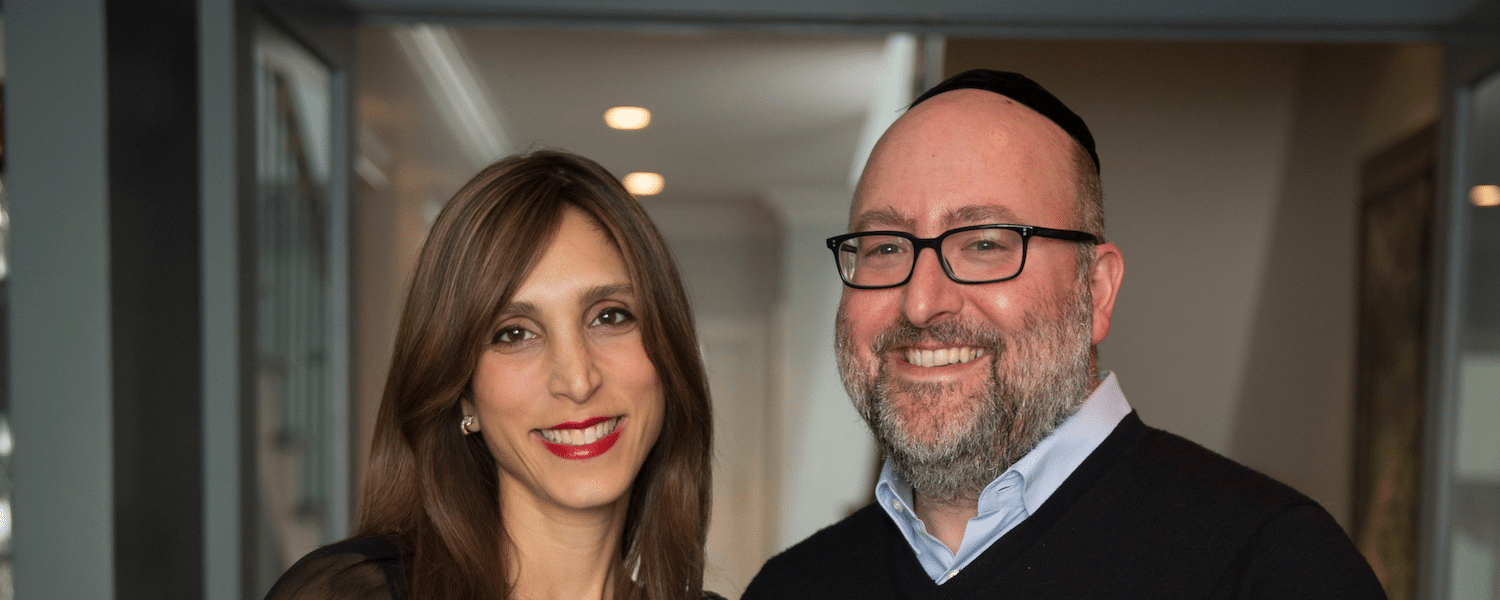
In this life-changing episode, I sit down with spiritual teachers, authors, and directors of The Kabbalah Centre — Monica and Michael Berg — to decode the universal spiritual laws that quietly shape our lives.
Together, we explore how this ancient wisdom can help you rise above fear, align with light, and live with more clarity and love. You’ll learn how Kabbalah can beautifully complement any faith or belief system, and how its timeless teachings can transform the way you manifest, parent, pray, and relate to yourself and others.
This conversation will stretch your heart, awaken your awareness, and help you remember that true success isn’t something you chase — it’s something you become.
About Monica & Michael Berg
Monica and Michael Berg are spiritual teachers and co-directors of The Kabbalah Centre. Through their books, teachings, and global programs, they’ve shared Kabbalistic wisdom with millions worldwide — guiding people to live with purpose, compassion, and consciousness.
In this episode we chat about:
- What Kabbalah truly is (and isn’t) — and how it can complement other religions (6:43)
- The personal journeys that led Monica and Michael to this powerful practice (15:49)
- How Nick and I began studying Kabbalah and what it’s taught us about love and service (22:45)
- Why manifestation might feel out of reach — and the deeper spiritual truth behind it (26:07)
- How to move past your inner Mean Girl and shift from fear to light (39:07)
- The real meaning behind “never do anything selfishly” (46:57)
- Parenting through presence: Do we need to give more, or simply be more? (55:03)
- How to pray with pure intention — and why it’s more about connection than form (58:25)
- The most profound ways Kabbalah has transformed Monica and Michael’s lives (66:13)
- How to introduce spiritual teachings to your children with love and freedom (72:35)
- Where and how to begin your own Kabbalah journey (83:08)
Episode resources:
- Mastering Your Mean Girl by Melissa Ambrosini (book)
- Open Wide by Melissa Ambrosini (book)
- Comparisonitis by Melissa Ambrosini (book)
- Time Magic by Melissa Ambrosini and Nick Broadhurst (book)
- How Eating Saved My Life with Monica Berg (podcast)
- The Kabbalah Centre (website)
- The Power of Kabbalah by Yehuda Berg (book)
- Fear Is Not an Option by Monica Berg (book)
- Rethink Love by Monica Berg (book)
- Spiritually Hungry (podcast)
- The Way by Michael Berg (book)
- Secrets of the Bible by Michael Berg (book)
- Becoming Like God by Michael Berg (book)
- Well of Life by Michael Berg (book)
- The Gift of Being Different by Monica and Michael Berg (book)
- The Zohar: 23-Volume Set (book)
- The Zohar Project (website)
- Kabbalah Center (Instagram)
- Monica Berg (Instagram)
- Michael Berg (Instagram)
Prefer To Read?
The following transcript has been automatically generated and not checked for accuracy.
Melissa: [00:00:00] The Melissa Ambrosini Show. Welcome to the Melissa Ambrosini Show. I’m your host, Melissa bestselling author of Mastering Your Mean Girl, open, wide, comparisonitis and Time Magic, and I’m here to remind you that love is sexy, healthy is liberating, and wealthy isn’t a dirty word. Each week I’ll be getting up close and personal with thought leaders from around the globe, as well as your weekly dose of motivation so that you can create epic change in your own life and become the best version of yourself possible.
Are you ready? Beautiful. Hey, beautiful. Welcome back to the show. I am so excited about this episode because I am completely obsessed with Kabbalah. I have been studying now for a while, and every morning before my kids get up, I study and every night when they go to bed, I study. And anytime throughout the day where I have a moment, I am studying, I love it.
It has [00:01:00] changed my life. I am a better mother. I am enjoying motherhood on a level that I didn’t even know was possible. I am a better wife. I feel like every area of my life has gotten so much better since studying Kabbalah, which is why I’m so excited to have the king and queen of Kabbalah Monica and Michael Berg on the show today.
Now, Monica has already been on the show. She was on episode 3 1 5, how Eating Saved My Life. I’m gonna link to that in the show notes. It’s such an incredible episode. So definitely go and listen to that. But for those of you that don’t know who Monica Berg is, she’s the author of Rethink Love. Fear is not an option and the gift of being different.
She co-hosts the Spiritually Hungry Podcast and serves as a co-director of the Kabbalah Center International. She’s known as the Maria Kondo of the Soul. She blends humor, honesty, and deep cabalistic wisdom to guide people to embracing [00:02:00] change and living with greater love and purpose. She is a mama of four, an advocate for children with special needs.
She brings both personal insights and spiritual clarity to her work. And Michael Berg, her amazing husband, also the co-host of the Spiritually Hungry Podcast. With her, he is an author, a rabbi, and a spiritual leader dedicated to making Kabbalah accessible worldwide. He has written nearly 20 books. I just finished his book The Way and it was so good.
Some of his other books are The Secrets of the Bible becoming like God and well of Life. Now, these have been translated into 10 different languages. His parents, Rav and Karen Berg, they really were such pioneers with Kabbalah. They brought Kabbalah to the light so many years ago. So Michael is like one of the OG Kabbalah teachers and they live in New York and they run the Kabbalah [00:03:00] Center there now.
He began his studies at the age of 14 with his father Berg, and he would get up in the middle of the night and study Kabbalah for hours at this age with his dad. Pretty impressive, which is just so amazing. He later completed the first full English translation of the 23 Volume Zohart, which is just so amazing now.
He lectures globally directs kabbalah.com and is the founder of the Zohar Project, which has distributed hundreds of thousands of Zo Hass worldwide. They live in New York, like I mentioned with their four beautiful children. And for everything that we mention in today’s episode, you can check out in the show notes and that’s [email protected] slash 6 7 9.
Now without further ado, grab your pen and paper and let’s dive in.
[00:04:00] Monica and Michael, welcome to the show. I’m so excited to have you both here with us today. Before we dive in, can you tell us what you each had for breakfast this morning?
Michael: Gosh, I can tell you Monica doesn’t eat breakfast. It’s true. And I actually don’t eat breakfast either. I actually try to go with a few teas and a protein shake and a few green teas before my lunch.
Monica: I mean, it’s not the, I like to have a a cup of coffee, then I work out and then I eat and it’s kind of intermittent fasting. But yeah, I just can’t exercise with something in my belly.
Melissa: Yes, I agree. I can’t either. I wake up and I go straight to the gym and then I come home and I do my lemon water and my smoothie and all of that.
So I hear you. It’s not the best working out with a full tummy. But guys, I’m so pumped to have you here. Like I was sharing before we started recording. I obviously have had Monica on the show before episode 3, 1 5. It’s such an amazing conversation. How Eating [00:05:00] Saved My Life is the title of that episode.
I’m gonna link to it in the show notes. It was such a beautiful conversation. So after this one, definitely go listen to that, but I’m so pumped to have you both here because Nick and I have dove really deep this year into our own Kabbalah journey. I’ve known about Kabbalah for years, but it wasn’t until one of my friends, Jenna, she sent me a voice message and she said, have you dove deep into Kabbalah?
And I was like, oh, you know, I know about it through Monica. I’ve had her on the podcast and I’ve heard about it. And she goes, Melissa, I just really think that you would love it so much. I think it would resonate with you so deeply. So anyway, I. I took that on board. I started listening to some of the work.
I did Kabbalah one, and I was hooked in love, completely transformed. I’ve been reading the books, I’ve been diving deep. I absolutely love it [00:06:00] and I know people say this a lot about different things, but it has truly changed my life. Completely changed my life, and I know that people throw that around a lot.
But it really has changed my life. It has made me a better mother, a better wife, and just so much more in love with my life. And I study every morning and every night, and I’ve got a nine month old, so I’m still breastfeeding lots and doing all that. So my time to study isn’t, you know, I don’t have hours and hours a day, but I study a little bit in the morning before they wake up and a little bit in the evening once they go to bed.
So I’m so excited to dive deep into it with you guys today. But for people listening who are like, what is Kabbalah? Can you give a brief overview of what is Kabbalah?
Michael: Well, so like, like you said, to give, to give a brief explanation is a little bit difficult because it’s such an ancient wisdom. But if I had to say it in a few [00:07:00] sentences, the tradition is that even before the creation of this world, there was a wisdom that was prepared so that each individual and humanity as a whole can achieve life and the world as it is meant to be.
And the understanding is that the world that we see today with so much pain, suffering, and death, that is not the world as it’s meant to be. And even in our own lives, most of us have experienced pain. Some of us might in the middle of experiencing pain, but there was a path created, a wisdom and tools created so that the individual can live a life that is.
Moved away from pain and suffering to fulfillment and connection. And that really is what Kabbalah is. It’s a ancient wisdom that’s been around from the beginning of time to give the individual the wisdom and tools to transform themselves and their life to live the life they’re meant to be living, and ultimately the world as a [00:08:00] whole.
Monica: And it’s also very practical, even though it’s such a dense text. And it would take somebody an entire lifetime if they studied at every waking moment, to not even really scratch the surface. And just when you think you’ve learned something or understood something, there’s another level to it and then another one, and then another one.
So it’s really, Kabbalah is a verb. It’s all about change. And really the difficult part, of course is understanding it, but more importantly, living it to apply the tools day to day to really live them. And when we do that, we ultimately do live our best lives. It changes the way that we think. It expands our consciousness and it changes our experiences of everything that happens to us.
Not only the good because we’re able to have more and more appreciation for those things, but also especially understanding the things that we would deem as bad or unfortunate. You actually see that it’s a blessing that’s just wrapped in a package that you couldn’t recognize otherwise.
Michael: Yeah, and again, I know we’ll get a little bit more than a short, but I would add [00:09:00] two things, which I think are really important.
Like Monica said, it’s, it’s, it’s extremely practical. It probably is one of the most practical spiritual wisdoms that you can study, but. What is very different. You know, in our world today there are, there is so much spirituality, so much spiritual information out there. One of the things that’s really important in the Cabalistic tradition is what I would call is people sometimes don’t like the word, but the word is the work that the understanding is.
It’s not enough to go on Instagram or TikTok and get inspired because the problem with that is that if I’m not changing as a person all the time, growing, becoming a better person, then all the inspiration in the world won’t bring me the blessings that I’m meant to have. It is that internal work that we do that enables us to be able to receive all the blessings and all the goodness that we’re actually meant to, to achieve.
So while as Monica said, it is a very practical wisdom, I think the power of it is when we really take upon ourselves [00:10:00] the work that it gives us for transformation. And like you said, and I think I know Monica, all of our students really think about this all the time. It might becoming a better person today than yesterday.
Is my life experience better today than yesterday? And that should be a lifelong pursuit.
Monica: Ultimately, you come to the place where you are unrecognizable to yourself in an exciting way.
Melissa: It really is a system for living. I’ve been on this personal development journey for over a decade, for like 12 years, 15 years, and I have studied various different religions.
And one of the many things I love about it is the practicality is the way that you can hear something, take it, implement it into your life, and then embody it. And then, like you said, become a better version of yourself than you were next day or even an hour ago. Like I read something or I listen to something and I implement it, and I feel like I’m a better version of myself from the morning, and it really [00:11:00] has.
Just inspired us, and I don’t think, you know, we felt as excited about something than we do with this. So I wanna get your take on how is this for, say someone has like a really big, strong faith in another religion. Can it compliment that or is it separate? Like if someone is very deep in a different religion, can they coexist?
Michael: Well, the the answer is absolutely yes. So the understanding is that this spiritual wisdom is what is at the core of really all the world’s great religions. So, Judaism, Christianity, Islam, really at the core of all of these religions, they have really only one purpose. How do I become a better person? And what Koala can do, whether a person is Jewish or Christian or Muslim, or not connected to a religion at all, is make them understand on a deeper level.
The traditions of their faith. But it begins with [00:12:00] the understanding that when Jesus came to this world and his teachings were not to create a religion per se, but rather to bring to the world spiritual wisdom that they can use to transform and become better people. And so to, with, with Islam and so to, certainly with Judaism and any religion.
So, and this is one of, I think maybe one of the beautiful aspects of the Kabbalah Center in our teachings is that we have literally every single religion and lack thereof, people who do not believe necessarily, who come to the Kabbalah Center and use this wisdom to strengthen their own tradition and tr strengthen their own understanding of why they are actually using their, their faith.
Monica: So often people come in and they say, wow, Kabbalah made me a better Christian, or I was raised in a religious home and I, it was pushed upon me and I rebelled, and now I’ve come back to. A truth that, a desire that I had in me all along, but I didn’t understand how I [00:13:00] could express that or I could connect to that.
So Kabbalah is truth and like all religions, really, it’s the same essence, right? It starts from truth. The where it gets muddied is really in the people, right? People create separation. People make this seem like, no, that’s for you and this is for me, and I’ll stay in my corner. But the beauty of Kabbalah is really about bringing unity and togetherness and connectedness in the truest form of that, of that word.
Really.
Michael: I think that’s a really important point because again, unfortunately in our world today. Religion. While it clearly has a positive effect on so many people, it also at times or too often becomes a divisive tool in this world. We see it every single day in the news, and I think one of the beauties of the, of studying Kabbalah, which is the the spiritual foundation of religion, it gives a broader view and I think a truer view, which means that if your religion, whatever it is that you [00:14:00] practice, is not bring you closer to other people, then I would question what you’re following.
Because if you’re truly following Christianity or Judaism or Islam or any of the world’s religions with the spiritual understanding of it, then the net effect of that must be that I love other people more today than when I. Before I became religious. And I think one of the beautiful aspects of that we see through the teachings of Kabbalah, as Monica mentioned, a Christian becomes a better Christian, a Jew becomes a better Jew.
And hopefully what that does is it brings us all closer together because the, as Monica said, truth is truth. So, so the truth that underpins all the world’s religions is, is basically the same. And if that’s not the view, and as unfortunately we see in our world today, when it becomes a divisive tool, there’s something wrong with the way we’re understanding it.
Certainly not seeing the spiritual foundations of it.
Monica: I would only add because some people say, well, I don’t know about religion. I’m, I’m interested in spirituality. Right? So [00:15:00] even if. You. You know, your God is nature, right? You walk in nature and you feel connected or you meditate for hours or whatever that looks like for each person.
What I really find to be so beautiful about Kabbalah is that it helps you connect to your source, however you define that. Whether you call it God, the universe, again, nature, it helps you understand that we all come in the world with that feeling. We all come in the world, actually spiritual. All children do.
They remove away from that, depending on which environment they’re in or what kind of conditioning they’ve had. But what I have found in this wisdom, which is the, I think one of the most powerful parts of it is it helps you tap back into the essence of your soul and then connect to your source, and it gives you an understanding of what that is.
Melissa: Beautiful. It’s so beautiful. I just love it. So were you both born into Kabbalah?
Monica: I was not. He was, I grew up in a just very reformed Jewish family. We basically [00:16:00] spoke about God on two days of the year, which would be Rosh Hashanah and Yom Ki four. And other than that, you know, not really, but I came into the world.
With that feeling. I mean, I remember at age three four, which you don’t really have memories, usually at that age five, I would have tea parties with God. And I felt so whole and so a sense of belonging and I really, I had a sense of God with me all the time, and I always had these questions of, you know, why are we here?
What am I meant to do? I had a picture of what God looked like. He looked like the king card and deck of cards. That was the visual I had at that age. And then like most people, if it’s not in the home, you kind of move away from that. I went to Beverly Hills High School. I had an education in many other things that are not that spiritual, but I remember that there was one day where I was looking at my pictures from my childhood, like an album, and I started crying.
And I started crying, not because I missed. Those days, or I was crying because I, I, I felt like I, [00:17:00] I missed that girl. I felt so far from myself, like my true essence. And then my parents started studying Kabbalah because my grandmother actually started, and I still, you know, I was, I was in high school, this is not for me.
And then my father took me to Israel and there was this spiritual trip the Kabbalah Center was putting on, and it was like coming home. I, for the first time heard things like reincarnation or you know, how unconditional love sharing. And it was like revisiting something I knew. I was like, yeah, this makes total sense.
Like everything and everything came full circle. I was 17 and then I started studying then very, very actively. It was like my whole world changed in a day from that moment.
Michael: Yeah, my experience was a little bit different. So I was born to my parents, Robin, Karen Berg, who founded the Kabbalah Center in the 1970s.
And growing up it was in our home all the time. And then when I was in seminary, I would study there from about 7:00 AM till about 8:00 [00:18:00] PM I would come home starting around age 12 or 13, and I would study with my father, Kabbalah, from the, from about 1:00 AM to 5:00 AM every day. And we did that for, I was starting around 12 or 13, and we continued, you know, at least until when I was 21.
And it was most nights for those five, five hours. And, and I can tell you, even though obviously I was born into it, but I started studying really at depth. Of this wisdom, it opens up a whole new vista. You look at life, you look at at the universe in a completely different way. And I was hooked. I was hooked there.
What’s interesting is that even though my parents were teachers of, of this wisdom, really the, those who made this wisdom available to the world before them, it really wasn’t available. They never made it that I need to do this. It had to be my choice. Because we believe, of course, you know, each soul has its own free will.
But when I asked my father to teach me, of course, he said yes. And, and those were some of the most wonderful hours of my life, and [00:19:00] really to this day are the foundation of everything that my spiritual life is based on those hours of learning and the early morning hours.
Monica: Well, we know in Kabbalah you choose your parents, right?
And I think that often when people start to study Kabbalah, they’re, they. They had a, a thought or they heard the word or there was some kind of calling and I, I truly believe it’s because their soul had experienced this already in another incarnation. Right. And now they’re just finding it again. Which is why I think I found it at a relatively young age, considering in the whole span of a life, but also we found each other at a young age because we were meant to do this work together.
Right. And it kind of all just makes sense in that people always say, yeah, I, I had this calling, I just had to go and see what it was. But that’s when the soul’s ready to find it again.
Melissa: Absolutely. So what age were you guys when you got together? Or how long have you been together?
Monica: We just had our 28th wedding anniversary, so we, we met when I, it’s funnily enough that trip I just discussed in Israel, there’s a [00:20:00] picture, a random picture, and I, it was freezing, I think it was December, and there was this staircase and it was the only bit of sun on this cold day.
And there were, there was a, a lower part where people were standing, so I was standing in this little sunny patch and he was in the picture below me. We didn’t speak on that trip. We didn’t see each other, we didn’t recognize each other. And if somebody had told me, this is who you’re going to marry one day, I would say no.
Absolutely not, because at that point in our lives, we were so different. In the 1% world, in the physical world, right? While he was studying, you know, for all hours of the day, pretty much I was not, I was a wild girl. We just had a very different upbringing, but in, in truth, which it took time to recognize and we had to become that version of ourselves first so we could merit to find each other again.
In this lifetime we, what really mattered. We, we did have in common, but we didn’t know it, right? It had to be fully actualized and realized and marinated and at that point then we could recognize each other, like the importance of change and growth and helping [00:21:00] other people, removing the desired receive for the self alone, having the same beliefs and sense of purpose in life.
All of those things were really aligned, but we wouldn’t have given each other the chance had we not really internally, you know, done the work to really grow into who we, we needed to become. Or at least at the beginning of that.
Michael: Yeah, I mean I, I think, you know, and I think, you know, Monica has a great book on relationships and I think, you know, when it comes to spirituality and, and in general, you know, I think some people gravitate towards, it’s some less so, but I don’t know that it’s possible to have a thriving relationship over time without deep spiritual study and work.
And, you know, Monica and I, we officiate, I think at over 500 weddings so far.
Monica: And
Michael: counting and counting, and I always not warn, but, but really, you know, if you think about the percentage of great [00:22:00] relationships after five years, after 10 years, after 15 years, it’s a very small percentage. And I strongly believe, again, there are the anomalies, but that unless you’re really doing the work together.
It’s not likely that 20 years from now you’re going to be in, in a strong and thriving relationship. And what Kabbalah teaches is that, and, and this is also something that I often say is that the day we get married should be the day we love each other the least. And then every year after that more, and then every year after that more, I can honestly say 28 years into our marriage that I love Monica today more than I, certainly, than than when we got married and more than last year.
And I attribute that to the spiritual study, to Kabbalah and to the work that we do and that we continue to do
Monica: Well. I’m curious because you said that you started to get the taste of Kabbalah first and then Jenna, was your husband very receptive right away, or, I was kind of curious about that, that you’re studying together, which is not, that doesn’t always happen [00:23:00] for people.
Okay.
Melissa: So get this, guys, get this. So I think it was maybe the day after I had Kabbalah one open on my desktop at my computer that I’m standing at right now. So I had it open and I was like, I’m gonna dive deep into it. And then that day Nick caught up with one of our friends, Ryan on the beach, and Ryan started talking about how much Kabbalah has helped him and his wife Amy.
And they were studying, they had just done Kabbalah one and two and how much they loved it. And Nick came back from his catchup with Ryan and he said. It’s so interesting. Ryan was so lit up by this thing called Kabbalah, and I said, you are not gonna believe it. Come and look at my desktop. I have Kabbalah one open on my desktop to do.
And he was like, oh my gosh. So we both were at the same time wanting to do it. [00:24:00] And so literally from that moment he’s done Kabbalah one and two, he’s doing all sorts of different courses. He’s reading, he’s got a Kabbalah mentor. He is just headfirst in. And honestly, like you said, Michael, I don’t think our marriage would’ve lasted if we had both not been deeply committed to doing the internal work.
Like we’re going on 12 years and it’s a journey, as you guys know, like it’s not rainbows and butterflies all the time. And we’ve done a lot of internal work, individually and together. But like you said before, Monica, like finding Kabbalah again. Felt like coming home for me. I grew up very Catholic. I went to Catholic schools, we would go to church.
My father is very Catholic, my nonna very Catholic. And so, you know, I grew up with that upbringing. But for me, nothing is ever felt as resonant as like [00:25:00] a coming home, as Kabbalah has felt. And same with my husband. And we are just so in love with it and, and wanting to dive deeper every single day and studying every single day.
Even this morning he said to me, ’cause you know, there’s the saying, pause. What a gift or, or pause. What a pleasure or pause, what a opportunity, however you wanna say it, which is basically when something happens, we pause instead of we react. And Nick said to me this morning, he said, Ooh. I think the last two days I’ve forgotten to pause.
And I was like, yes honey. And he was like, got it. And he just like picked it straight back up. ’cause we have children, you guys have children. And I think the pause what a gift has been such a huge game changer for us in our household, especially when it comes to our kids. ’cause it’s easy to default into that reactive behavior, but we need to transform that and that’s when we become more like the light of the creator.
So [00:26:00] it’s been amazing that we’re both on this journey together and we just love it so much. It’s awesome. I love that. Beautiful.
Monica: Be.
Melissa: So let’s talk about manifestation, because for someone listening who may be going through a really big challenge in their life right now, maybe they are going through a separation or a divorce.
Maybe they are experiencing bankruptcy or something huge in their business. Maybe they’re experiencing a health issue. Maybe they’ve got an illness or a diagnosis, or they wanna get pregnant and they’ve been trying for years. Whatever it is that someone is experiencing in their life right now, whatever challenge they are going through, it can feel all consuming.
It can feel painful. It can feel like, why is this happening to me? But one of the many things that I love about Kabbalah is they say, if you desire it, it is for you. So if you desire the soulmate, it is for you. If you desire the health, the thriving health and energy it is for you. So. Where can [00:27:00] someone start if they are experiencing a challenge in their life right now, and manifesting the soulmate or the thriving health might feel too out of reach?
What is the process? How can they start?
Michael: So, so that, that’s a, that’s a big question. And there’s a lot of, so, we’ll, we’ll, maybe we’ll touch upon a few, a few maybe tools or at least openings to understand. So one of the fundamental teachings, understandings of Kabbalah is that consciousness is everything.
So it all begins with how we think. So using a simple example, and by the way, we, we have these conversations at home. Our oldest son is 27 years old. He’s on the dating scene 26, still 26, going to be 27, and he’s looking for his soulmate. And, and he asked the question, you know, you know, what are the things that I need to do to make sure that I don’t just get married but actually marry my soulmate?
Find my soulmate.
Monica: It’s funny though, ’cause before that, the question was, what’s the meaning of life? That was from age 17 until 24. What’s the, he [00:28:00] would ask it over and over again. Now he’s, he’s pretty good on that one. Now this is the next question. Yes. Over and over
Melissa: again. And just before we go into that, can you tell us how many kids you have and their ages?
Monica: We have four children. 26, 23, 22, 12. Two boys, two girls.
Melissa: Wow. Okay. Beautiful. I love this.
Monica: I wanted to ask
Melissa: you also, you’ve three or two. So I’ve got a beautiful boy and a girl, and then my 19-year-old stepson as well. I call him my bonus son.
Michael: What are their names?
Melissa: Leo is my bonus son, and then Bambi is my 4-year-old daughter, and Prince is my nine month old babe.
Beautiful.
Michael: So when our son David asks us or, so it first begins with consciousness and, and if a person wants something but isn’t able to awaken the certainty that it’s already there for them, it becomes very difficult to manifest that. So for example, and people struggle [00:29:00] with this because you know, we often, if we don’t see it in front of us, we have trouble having the certainty that it’s there for us.
But that’s maybe one of the most important teachings of Kabbalah. Everything that you need and truly want. And I mean, when we say want, we mean true desires of the soul. Not, you know, I want this just because, but if it’s a true desire for the soul, which is desire for soulmates, for example, is then you have to first awaken the certainty that the light of the creator has already prepared my soulmate.
For me, as a matter of fact, the capitalists teach it even before we’re born. We are one soul divided into two. Our job in this world is to know that that other half of my soul exists. And then, yes, endeavor to find it. But the first step must be the knowledge must be what we call the certainty. And I can tell you that I’ve seen this in my own life, in practice, and so many of our students, that when they awaken the certainty, the miracle, what is a miracle?
A miracle is that what we actually need and desire begins to [00:30:00] manifest for us. So that’s the first step. The first step is to awaken the certainty that the. Solution that which I truly desire and want, that which is right for my soul is already prepared,
Monica: which means removing all of the I’m not good enough, I’m not deserving of love.
It’s, you know, I’m this age. It should have happened now, maybe it never will. It’s removing all of that noise, the way we self-sabotage the lies we tell ourselves and really tap into that knowing, because if you doubt something exists, really, and, and even though you desire it, the truth is the energy that’s spent isn’t so much in the desire.
It’s more toward the doubt, and that keeps it at arm’s length. The person could be right in front of you, but you won’t recognize them.
Michael: That’s a very important point because the, the corollary to the certainty is the understanding that doubt and fear actually blinds us to our blessings, does not allow us to manifest them.
So, so those two have to come together and it’s not always easy, and this is where the spiritual study and the [00:31:00] work comes in, but really what the capitalists teach, and this is a. I don’t wanna say a guarantee, but it’s a promise of the capitalistic teaching that if you awaken true certainty and remove fear and doubt from that which you truly need and desire, it’ll absolutely manifest for you.
So that’s always step one, the knowledge that it exists, it has been prepared for me, and now what I have to do is, is manifested. And it’s, I, it’s almost miraculous to see this work, but it does. But you know, there’s a, and I wanna point out, there’s a very big difference between having certainty that something exists for me than wanting it really to happen for me
Monica: really, really badly.
I really want, this is different than
Michael: yes,
Monica: knowing.
Michael: I think all of us want our soulmate, all of us want success in business. All of us want many different things. That’s very different than certainty. Certainty means I know that the universe, the light of the creator, has this prepared for me. Right now it’s not, I can’t see it, but it’s here [00:32:00] and it’s ready and now I can do the work to, to reveal it to myself to find it.
Monica: I would only add that we need to be clear about why we want the things that we want, so again, towards the big things, health, a soulmate. An intact family, all of those things, right? But there’s other things that we want and we want them, and we put a lot of time and energy, but in truth, and it was one of the most powerful teachings that I really enjoyed discovering in Kabbalah, is that sometimes if we get that thing that we really want and we don’t have the vessel for it, or there’s too much ego involved in it, it actually will harm us.
So not receiving it is actually a form of protection so that we don’t fall or we don’t go to places that bring us really down energetically, which is a really powerful thought. ’cause sometimes we think, oh my God, I’m, why is that person getting it and not me? There’s something wrong with me. We usually go back to that self shaming, blaming kind of existence.
But in truth, it’s actually a [00:33:00] protection.
Michael: I think that’s a very important point because you know, I always use this example when I’m teaching this concept. How many times, you know, people you know, really wanted this boyfriend girlfriend, or even this husband and wife, they got married and wind up to be the worst years of their life.
Right? So
Monica: even also we wanted a very specific time. Like we know this should have happened already. This should be my first book should have been written by this time. But if we had. If it had happened at that time, it actually would’ve harmed us or it wouldn’t have been the great thing that we thought it would be,
Michael: right.
So I think it’s all, it’s really important to be open and ask for desire, awaken what we call the vessel, the desire that which is right for me, which means a person, again, usually should not say, I want this person to be my soulmate, but rather, I want my true soulmate, because one can pursue an individual or a specific manifestation that is actually not good for them.
So, and, and of course, I’m sure we, we’ve seen this in our own lives and, and many people have seen it. So I think that’s the second step, which is [00:34:00] opening ourselves up to desire it. We started with consciousness is first certainty that is there for me. Second, awakening a true desire for it, but a true desire, which means I don’t necessarily want, for example, this business deal to close.
I want success in work. I want success in, in, in business, but I’m not attached to this working or that working. I just want the blessing to come. So that’s the second, not being attached to a specific occurrence, but rather to the true blessing that is mine.
Monica: And a way to check that is to see how much the ego’s involved in the outcome that you’ve decided should be the thing, right?
The, the ego’s removed when there’s a true surrender. And when that happens, you allow things to flow and to come to you as they should.
Michael: And, and the third step, which I think is really important as well, you mentioned somebody, for instance, is going through maybe a, a medical issue or they’re going through a issue in their business.
Part of the work of the wisdom is to understand that there’s a reason why that’s happening. [00:35:00] You know, sometimes when we’re going through difficulty or darkness or challenge, we wanna get through it. We wanna, how quickly can I get past this? But the sages teach that there’s a reason why this is happening to me, and it will stay with me as long as I need to learn the lesson from it.
So, if a person’s having a challenge in their business, that’s not just a coincidence. There’s a le, there’s something there for me to learn. And rather than desiring to get rid of the problem, or to quickly go past it, ask the question, what can I learn from it? A person might be experiencing a heartache.
Somebody just broke up with them, rather than saying, oh, let me get to the next person. Ask what do I need to learn from this relationship that just ended? When we understand that life is really a, a university, a teaching place, and everything that happens is not coincidental, and we learn the lessons, then we’re ready for the blessing.
But if we go [00:36:00] through one challenge in business or one challenge in a relationship, and don’t learn anything, don’t grow in any way. It makes it more difficult for the blessing to actually manifest afterwards. So I think, you know, these are three and, and, and three fundamental ways to go from lack to fulfillment or, or from challenge to blessing.
And as we said, it’s first awakening certainty that the solution, that the, the blessing, the, the abundance, my soulmate is there for me. Second, is to, as we said, you, you have to do the work to manifest it, to, to know that, you know, you want it to be revealed. Revealed what’s right for you. Not specifically this thing or, or this person or or that person, but what my soul knows, what the creator knows, what the universe knows.
And third, if I’m going through a challenge right now, the blessing can only come at next. If I’m really learning the lesson from this situation, what am I supposed to learn? And then the blessing can come next.
Monica: As the Kalu [00:37:00] say, the process is the purpose. And often we want to get to the end of it. I want, you know, if I can just get over this problem, or if I can, if this thing that I don’t like is just removed from my life, then everything will be fine.
But really the whole thing is process. It’s everything you learn in that situation that you think is the worst thing usually is where you’re going to get most enlightened. So I always, and I, I really have learned to lean into that and live that. The process is the purpose. So even though this doesn’t make sense, maybe we’re not meant to know why, but if we keep asking the question, not why is this happening to me, but what am I meant to learn from this experience?
It changes everything. And then you actually, if you look back at your life and somebody would ask you, what has been the most profound parts of your life, you probably won’t go to, I mean, we might go to, you know, the birth of my children, but you’re not going to go to like that best day where you, you know, had the best meal and you enjoyed it so much, or.
A great conversation. You’re actually going to remember that time. It was really, really [00:38:00] difficult and it was actually a little bit painful and you just wanted it to be over. But then when you finally went through it and you did get to the other side, through that process, that day is actually the most profound day.
All the things that you learned, all the ways that you saw your strength, all the ways that you felt connected and that your consciousness grew, those become the most powerful, important days of your life. And that’s why that last part is so important.
Melissa: Yes, I love it. That framework is perfect. I want everyone to go back, re-listen to that over and over and over again.
Maybe write it on a post-it note, stick it somewhere where you can constantly remind yourself of that. ’cause that has been just such a beautiful game changer for us in our life. And what I see though, is a lot of people get stuck even on that first step because they say they have a desire. Yet then Satan or what I call your inner mean girl, comes in and is like, who do you think you are?
You can’t [00:39:00] write a book or you can’t have this, or you’ll never heal from this, or you’ll never meet your soulmate, or you’ll never, you know, et cetera. So talk about that. If we can’t even get past that first step of like, okay, here’s the desire, but then my ego, Satan intermingle, is so loud, what do we do?
Michael: I think one, one of the most inspiring aspects of the study of Kabbalah is that it gives us a deeper understanding of who we are.
You know, one of the first teachings is that we, each one of us individually are connected to the endless light of the universe, the force that created everything that exists in every single person that exists. I’m connected to that and. When you talk about that inner voice, its greatest work is to diminish our understanding of ourselves internally.
And for me, the [00:40:00] most inspiring thing, and I see this, you know, with so many students, when we finally get to realize, oh my God, I am so powerful. There is literally because if there’s nothing that the creator of this universe, the, the, the endless light of the creator can’t do, then there’s actually nothing that I can’t do as long as I know that to be true.
And this is one of those teachings that, again, where consciousness is so important. Once you know your power, not because of who you personally, individually are, but because of your connection to that endless light, then you realize that there’s absolutely nothing you can accomplish. And maybe, you know, it’s hard to say in all the teachings, what’s the most important one?
This might be the most important one that for every single one of us to know. And every one of your listeners to know that they are connected to the force that created everything. And once you truly internalize that, it might not become easy the first time you hear it or the first time you say it to yourself, but you [00:41:00] repeat it and you, you meditate upon this over and over.
That means that there’s nothing that I can’t do. There’s no disease that I can’t overcome. There’s no challenge that I can overcome. Not because I’m me, but because I’m connected to the force that created everything to the force that creates every single miracle to the force that creates every single blessing.
And I can tell you for myself, and I know for so many students, this is maybe the most transformative consciousness that that really, you know, propels us to the life that we’re supposed to be experiencing. And so I would say to, you know, I, I, I, by, by the way, I have to remind myself of this every single day as well.
No matter how much I’ve done, no matter how much I’ve accomplished. Compared to my potential. And my potential is, is endless because I’m connected to the endless force that created the universe, then there’s so much more that I can do and so much more that I need to do.
Melissa: And the Creator wants you to have it all.
Michael: Absolutely. Absolutely. It. That is the singular purpose of creation. The reason [00:42:00] the world exists, the reason why I exist, the reason why every single one of us exists is because the light of the creator wants us to have the totality of blessings endlessly.
Monica: Well, the kales teach that each person came in this world to do something very specific and unique to them.
And I think often we say, oh, you know that other person, they’re, they’re already doing this, so why should I even try? Or, you know, could I even do it better? And we have all this noise in our head. I remember when I was writing my first book, I, you know, we all have a little bit of imposter syndrome. You know, has somebody else said this?
This is that original. Am I the best one to do it? And a friend of mine said, you know. You look at any chef and they have the same recipe, they’re gonna make a salad. They have the same vegetables, they have the same ingredients, but they’re all going to turn out differently because it’s how you make it.
It’s how much of each thing you put into it, right? And it seems so simple, but we get so busy in our minds. And there was a famous story about a Kaist who, when he died, he went up to [00:43:00] the upper worlds and God said to him, his name was Zha. And he said, why? You know, where are all the books that you were to write?
Where are all the things that you were supposed to teach? And he said, what do you mean me? I, I’m, I can’t write. I’m not a teacher who are, where are all of your thousands of students? And he was so confused because he didn’t live his life like that, right? But the potential of what he could be, what he was meant to do, actually what his soul came to do was that.
And I think that. We often shortchange ourselves. I mean, there’s so many stories of people who made profound differences in other people’s lives just by simply saying a kind word on a day that was horrible for them. Maybe somebody was about to commit suicide, but they came and they said something to them that made them stop and think that their life was more worthwhile than they had thought.
We are so powerful. We are so incredibly powerful, but on every day, even on our best days, we underestimate our strength and the ability that we of what we can do. And I think that that’s really what Kabbalah reminds us of every single day. And I certainly, [00:44:00] like I said, I wake up often days having to remind myself of that, because if not, you know, you’ll always think that somebody else can do it better or somebody else should do it, or it might not happen.
That doubt comes in again.
Michael: Yeah, it, it reminds me of, again, a, a really beautiful teaching, which is for myself, very powerful. And I hope for, for, for your listeners, the capitalist teach that from the beginning of time to the end of time. Nobody like me or you has ever existed. Each one of us is unique, and each one of us came to this world to reveal our unique light.
So, as Monica said, it’s so often that, and I’m sure we, we’ve all, we know these thoughts. You know, why should you say something now, you know, somebody else can do it or somebody else can say it. No, if we remind, but this, this takes meditation and really constant reminders to ourselves, what I need to do in this world, by the way, today, every single day, and what I can bring into this world.
Nobody from the beginning of time, not [00:45:00] the greatest stages, who ever lived until the end of time will be able to do and reveal the unique light that is mine. And it’s unfortunate, but you know, I think one of the reasons why our world is not where it should be is because too many of us. Underestimate our potential and therefore limit what we do every single day.
So what I would really, you know, ask myself and all of us, let’s re remember how powerful our potential is. Remember how unique our soul and light is, and therefore we have the responsibility to, to manifest it, to, to use that unique and powerful light every single day.
Monica: And by the way, it’s not just in the things that we want to manifest.
It’s not even in the big great ways. It’s showing up for people every day. For people who are in pain or less fortunate, I mean, there’s so many, we call them everyday heroes, but I think we’re all called to do that in each. Every moment of our lives. There was a [00:46:00] story about, I think it was the Stanford rape case where there were these two, there was a party one night and this girl was, was lying down on the grass.
There was a party going on at the campus and there was somebody on top of her. And these two exchange students were riding a bike and they saw this and they got off their bikes. The boys started running, they checked on the girl to see if she was okay, and then they got on the bike and they chased the boy.
And they grabbed him until the police came. And they just kept saying, why would you do this? Why? And he was raping her. Why would you do this? Why would you do this? It’s that level of care even. I mean, that’s what we’re called to do each and every day. So, you know, sometimes we make it about the big things.
You know, who am I meant to be? It’s such a big thing. What am I meant to do? What am I meant to reveal? And people get stuck asking themselves that question. Let’s start with, well, stop doing what you know isn’t working for you. Stop doing things that hurt yourself and hurt other people. We’ve just started there.
Everything opens up and really powerful and beautiful ways.
Melissa: Yeah, so beautiful. And one of the other [00:47:00] concepts, principles that I love is how Kabbalah teaches to never do anything selfishly. Like it’s all about sharing, it’s all about coming from a giving place. It’s all about how can we help and how can we shine light on other people.
So can you talk about that principle and how you guys live that in your everyday life?
Michael: So I, I think it’s, it’s foundational because the understanding is that there is what we call the light of the creator, right? That endless and boundless light, that when we connect to it, we’re able to receive all goodness and all the blessings that we’re meant to manifest in our lives.
But that in order to connect to that light, you have to be like that light. You have to have what we call similarity of form. You have to behave in the same way. And what do we know? What do we know about the light of the creator? That it is a force of sharing. It is what shares all life and all blessings with, with the, with the, every single human being and, and every single person who ever [00:48:00] lived.
So the one thing we know about the creator or the light of the Creator is that it’s a force and a power of sharing and giving. So if I want to connect to that light, to the purpose of having blessings in my own life, I have to behave like that light. And therefore, you know, my father would often say I’m the most selfish person in the world and therefore, I, I, I share as often as I can because it is impossible to connect to the endless light unless I am behaving like it.
And that simply means. Giving and sharing as often as I can. And therefore, again, we make, I often say, you know, I, I was speaking to somebody the other day, I do take the opportunity to share, whether it’s through podcasts, through lectures, through books, because ultimately I know that’s what connects me to the endless light, to the creator.
And that’s what gives me joy. And that’s what gives me blessings in my life.
Monica: But also, we all have the desired receive for the self alone. So we come in with, you know, I need this. It’s about me. We worry that, you know, if we give [00:49:00] too much to somebody else, we’re going to have less. It’s this lack, scarcity mentality.
In truth, we are supposed to go against that nature and transform, desire, receive for the self alone, for the desire, for the sake of sharing. That is the evolution we’re supposed to go through. And that’s why the study of Kabbalah is to help us have the consciousness. So we make those choices each and every day.
- Try to do this, and not just in, in those ways of doing things that are uncomfortable. Like the first time I started public speaking, I mean, you were there from row seat. I was terrified of public speaking. Now it’s like, the bigger the crowd, the more excited I am because it’s not about, you know, it’s not about me, it’s just about sharing, right?
It, it transformed to something greater than me. My desire to share was greater than my fear or my ego in that situation specifically. But also I would find myself, when I would feel sad or I would feel like I was having negative thoughts, I would actively, and we live in New York City, I would look in the streets and see if there was somebody who needed help opening the door, carrying a bag.
Like I would, I would search [00:50:00] for a way to share because I know that that is the anecdote, that’s the remedy for, for any time. I’m feeling lack, right? Whether it’s a negative thought or it’s sadness or it’s any kind of pain or comparison or judgment or jealousy. The solution, the remedy is always put yourself in a position where you are.
A giver and those, those opportunities are everywhere.
Michael: That’s, that’s an important point, and it reminds me of something my mother would often say, and I I, I recommend this to everybody. If you’re going through a challenge, if you’re going through a bad, if you’re having a bad day, go ahead and do something for somebody else because that action connects you to the endless light and the solution to your problem.
And the, the what you’re, what you’re actually looking for will then be able to manifest in your life. But if you start, if you’re only focused on yourself and necess, and maybe the problem that you’re experiencing, then it’s more difficult to connect to that endless light, which is the endless light of giving.
Monica: But you might even see the problem isn’t even a problem [00:51:00] anymore. Your view of it might change completely. Suddenly you’ll see the problem as, wait a second, let me ask myself this question. Is there another way to see this? Maybe it’s just to get you to see things in a different way, and so the problem you think you had actually isn’t a problem at all.
Melissa: Hmm. I feel like there are, like you said, Monica, there are so many opportunities throughout the day where we can give and share. Like even the other day going to, we’ve got an amazing little organic cafe just paying for the next person’s juice behind me without even saying anything. You know, little things like that.
There’s so many opportunities. I always think of if I’m going to catch up with a friend, I’m like, what can I give them? What can I make them? Like, can I make them something to take to eat? Can I give them something? And then I’m like, oh yeah, you know what? Like I went to a girlfriend’s house and I’m like, here’s a whole bag of clothes.
And she was like, oh my gosh. Like just little things like that. Like I, I love this mentality. Of giving and sharing [00:52:00] and taking the focus off ourselves and, and giving. I just think it is so powerful. Absolutely. And also,
Monica: you know, then your children see that, or people around you see that and it becomes contagious.
I remember years ago with my third child, we were at the grocery store and I was having a really hard time with a, a lot of people around me. It was a very difficult time, and I remember that evening we were in line to pay and you know, she was seven, so she was really excited to put all the groceries on the counter.
And put them in order and whatever. So she’s busy doing that. And I remember I was really in my head thinking all kinds of things that were not great about myself. Just I remember the headspace I was in. I also recall that it was taking a really long time, like the lion was stuck, but I wasn’t even paying attention to the person in front of me because I was so busy with my own story, right?
And next thing I know, now it’s my turn. And I see all of her groceries are there, and he’s throwing away the salad that she had made for herself for dinner at the [00:53:00] salad bar. It was an evening and some other things. And I remember seeing her walk out kind of very upset, and I realized that she didn’t have enough money to pay.
But I was so busy in my head about my own problems that I wasn’t even paying attention to the person in front of me. And I was even more upset that he was throwing away a perfectly good salad. Like if you’re throwing it away, just give it to her. If she can’t afford it, just give her the salad. Why? It just it, it made me so angry.
So maybe it was a little irresponsible. I turned to my 7-year-old. I’m like, wait here. Don’t talk to any strangers. I’ll be right back. I ran after this woman. She was getting on her bicycle. I said, I’m so sorry I didn’t pay attention. I’m so, so sorry. Like, how much do you need? She’s like, no. I said, no. Go, go back and get your dinner.
She’s like, no, no, no. I said, please. And I gave her money and she was just shocked. I said, please, I’m, I’m begging you take this. I felt like I had missed an opportunity. I was literally right in front of my face, and then she turned to me and she said, well, how can I repay you? I said, no, just pay it forward when you can give to somebody, give to them.
And, and the funny thing is, I can’t remember what I was upset about. I can’t remember [00:54:00] anything else, and I, and I wasn’t even after that, I was elated. I was so, I felt so connected to the creator and so connected to my essence and my purpose. That’s what purpose is. That’s how you find your purpose. It’s like by paying attention to those opportunities that are right in front of us all the time, that we just were too busy in our own stories.
Yeah, absolutely.
Michael: I was gonna say, when you said about bringing to your friends, it’s, and it’s not just physical things, right? It’s, it’s so many, so often where we are having a dinner with friends, the consciousness should be, what can I bring? Meaning emotionally, the energy support, what can I bring to them?
And you’ll find, by the way, the dinner will be better, your friendship will be better, and you’ll feel better because you’re connected to that endless force of giving. And that’s, that’s ultimately why we do it.
Melissa: Absolutely. And I’m glad you mentioned that. ’cause it’s not always about paying or giving physical things, it’s about the energy.
I even think like giving your presence, like your full presence, not like in your head thinking about something [00:55:00] else, like just being fully present and that is so powerful. But I’d love to hear your perspective on where our children come in. Because I’m giving to my children all day long. I am showing up, I am giving there.
Is that just a given? I mean it still counts, but like, do we have to keep doing more, you know what I mean?
Monica: I’m gonna say something that probably I, I don’t know, but I, I think that we, we’d like to think that our love, especially when our kids are like, they haven’t gone through puberty yet, and they’re not talking back to us and they’re just adorable, and the sun rises and sets in our faces, we think that’s unconditional love, but truly, we’re receiving so much from that relationship, right?
Where our kids give us so much love, so much attention, so much appreciation that yeah, we’re giving, but we’re giving because we also are receiving a lot from that. So of course it’s sharing, but. Cobbles speak about transformational sharing. It’s giving in those moments that you really don’t wanna give to the person that kind of upset [00:56:00] you or that, or even anonymously you’re giving and you’re never gonna get any recognition.
You, you don’t get anything back is the highest form because ultimately you get the, the greatest thing back. Right. But it’s not, it’s not seen and it’s always, it’s not always immediate either.
Michael: Yeah, I think that’s a very important point because again, having had and still have kids at all different ages, there are the times when, when you actually don’t feel right when there there’s an argument or there’s certain type of behavior and I think it’s, those are the, even the more important times to awaken a desire to share with them and not to allow our ego to become, unfortunately too often as parents in, you know, whether they’re teenagers or, or in situations where our kids aren’t.
Meeting our expectations or behaving in ways that we want, we can sometimes become withholding or act in a way that is not sharing. So I think while it’s true that, as Monica said, when, when our kid, often when they’re younger as well, but it’s, it’s, it is an easiest cycle. They give us love. We give them both love [00:57:00] and, and, and otherwise, it’s in those more challenging times that that sharing really becomes powerful and transformational.
And as Monica said, I think it may be the most important concept to remember when it comes to sharing is what is the sharing that’s more difficult for me to do. That actually brings me, helps me grow more, and it helps me receive greater connection to the end, the side of the creator. That’s what’s called transformational sharing.
I don’t want, or I don’t want with this person, or I’m too tired. You know, I, you know, I say, but you know, I use the example when you, even your husband, your wife, when. You know, there are times we’re feeling great or we’re feeling great love towards them. It’s much easier to give, but after an argument or in the middle of the night or when it becomes less comfortable, that’s, those actions are actually the much more powerful ones.
And the ones that reveal the greatest light in the ConnectUS in the greatest ways,
Monica: or even if somebody is a, a billionaire in writing a check is of course very generous. And it helps, but it’s the easier way to give maybe, you know, washing dishes or going out and, you know, doing [00:58:00] something that’s against their nature.
I mean, that’s the key. And they share in that way, they’re going to receive light in a much different way.
Melissa: Mm-hmm. Yeah, absolutely. There are so many principles and practices of Kabbalah that I absolutely love, and I feel like we would need days and days to share around them. Decades, decades, decades, decades.
And we’re only just scratching the surface here, but let’s talk about prayer. How do we pray? How do we do it? What do we say?
Michael: That’s, that’s a very important one because again, it’s one of those concepts that is ancient, but also often I think, misunderstood. So at the most basic level, as we said before, is our interaction with the endless force.
The light of the creator is mostly internal. It’s mostly about consciousness. So let’s say a person is having a medical issue, the purpose of prayer, right? It’s, it’s not to [00:59:00] inform God or the creator. I’m going through a problem, obviously that force knows it, but the actual purpose of prayer is to awaken both the connection with that divine force and the certainty that it will come and assist me.
So if I say, you know, I, I, I, I try every single day when I pray to pray for certain people who I know are going through medical issues, for example, and I say, I pray for them. And what I’m praying for actually is that this certainty. That this health situation can be removed, that the light of the creator can come and create that, that miracle for them if it’s needed, but it’s not.
Again, some people might think, I’m telling God what the problem is, that the force, the endless force of the creator knows what the problem is. But the, and it desires to assist before I even ask for it. The desire for that assistance is there, but I have to awaken the certainty that the light of the creator has already prepared [01:00:00] the, the cure for the illness has already prepared the fulfillment for that problem.
So when we pray, what we’re actually doing is connecting in a deeper way with the endless light to the creator and awakening the certainty that. The light of the creator will come and assist me in this. So when I ask for healing, it’s not that I’m, again, as I said, informing the light of the creator.
Listen, this person has this medical issue, but rather awakening the certainty that the light to the creator has the cure for it already. And that draws it. And it’s, and that’s true of every lack that a person has, and he or she prays for Prayer is a very important tool in the Cabalistic tradition. But it’s for the purpose of awakening certainty.
A person’s having a trouble in business, a deal just fell through the purpose of certainty. You know, the capitalist teaching, maybe one, one of the more beautiful teachings, the light of the creator is flowing all the time. But we have to have the vessel to receive it. And the vessel to receive it is the certainty that the light is ready to give it to me.
So a person having a difficulty [01:01:00] at work, he or she stops. There could be a formal prayer or just a, an internal prayer. I say to the light, to the creator, I know that the, the solution to this problem already exists. I have certainty that the solution to this problem already exists. And I ask that, that light be revealed.
The light that’s already here, the solution that’s already here, becomes revealed. And is that consciousness of prayer. That allows the solution to manifest and it, it begins with consciousness and it really, the core, the core is certainty. So the purpose of prayer is to connect me to the light, to the creator, to awaken the certainty that that light, that that blessing is going to be become manifest.
Monica: I think important part of that is the asking. So there’s different ways people pray. Some people pray three times a day. In different languages, different ways. I think the key, again, is the consciousness, because you can go through the motions, but if your consciousness isn’t exactly as Michael said, then it’s just going to be something routine.
[01:02:00] And it’s really the, I think besides the certainty that asking, you know, whenever I feel like I need, I’m called to do something specifically, or I need a message or an answer, I always just ask the creator over and over again, what is it that you want me to do? What am I meant to understand? Tell me. And when you ask that question, I, I tell you it works.
It’s 100%. It might take a day, it might take a year. It just depends on that level of certainty. But in the asking, the answer always comes.
Michael: And I, that’s a very important point. And, and I always remember there was something that my father was praying for and, and what he was praying for didn’t resolve itself.
Not in one year, not in 10 years. It took 18 years. Now, I don’t want to discourage anybody who’s praying, but the understanding because the understanding of prayer as well. That we’re building a channel. So if we understand that the light of the creator is endless, but it’s what is our work, our work is, you know, if you have a cup, a cup [01:03:00] and you have, you want, you want somebody else to have water, you have to put they, there has to be a vessel created a place into which you can pour your water.
So we’re actually creating that channel by which the light of blessing or the light of assistance can come through. So when I ask for it once, imagine you, you creating a little, the beginning of the, of the channel, and then the second time, you a little bit deeper, a little bit further, a little bit further, till ultimately the channel is complete and the water or the blessing or the light flows to you.
So it’s not. To be discouraged if, you know, I, I, I hear the podcast and I, and I use the, the, the power of prayer, which is the purpose, to draw that light with my certainty into the situation. Because what I am doing is actually creating a channel for that light to flow. And sometimes it’s enough once, sometimes it’s 10 times, sometimes it’s a hundred times.
But you have to maintain that certainty that what I am doing in this request, what I am doing in this prayer is I am building the channel by which that blessing that, that which I need, that which [01:04:00] I desire is going to flow through, and that perseverance with certainty. Manifest the blessing for us, manifest that which we need.
Monica: The problem is the doubt that we have. It’s like if you have a droplet of water and you think, okay, what is this one little drop of water going to do? And you have another drop of water. But if you imagine, I mean, even ceilings, right? We had this issue once where in the winter the pipes freeze and they burst, and it’s a one little drop of water and one little drop of water.
If you don’t turn your water off in the winter. We learn the hard way one little, and before you know it, a whole ceiling has fallen, right, and the water now sh flows down. It’s the same thing with prayer. You might think that one little drop, you might have doubt about it because you don’t know if your prayer is effective or you don’t know exactly how to pray.
But just know that that droplet right is the consciousness, and that one makes a little pierce. And like even if you have a piece of paper, you can put a lot of things in that, right? Even if you’re gathering berries. But if you put a few drops of water, eventually the berries would fall right through the paper.
It just goes through. That’s what that channel, that experience of prayer [01:05:00] is.
Michael: And I would, and again, it’s a, it’s a topic that deserves much longer conversation, but I would, I would add two very important capitalistic understandings around prayer. They use the example that as we were, as we were saying before, it’s about creating that channel.
And sometimes it takes one prayer and sometimes it’s 10 and sometimes it’s a hundred. You know, imagine you’re, you’re, you’re going from one floor to the next floor and there’s 10 steps, and on the next floor is everything that you want. And you take one step and then two steps, and then eight steps, and then nine steps.
But you stop at the ninth step. So really all you need to do is take one more step and then you’ll be where you wanna be. And it is that last step. The greatest fear, the greatest doubt are awakened. So sometimes it’s important to know that, that even though I’ve prayed for something 10 times or a hundred times and suddenly I’m feeling so much fear and so much doubt even about my ability to do it, it’s probably because I’m right before the final step.
There’s one more part of that [01:06:00] channel that I need to open, one more prayer that I need to awaken that will finally allow that channel to be flowing with, with blessings. For me, that’s usually
Monica: when people give up.
Michael: Exactly. Just
Monica: that last step. ’cause they don’t know what’s right around the corner.
Melissa: Yes. Yeah.
What is the single most profound way Kabbalah has changed who you are as a person? I mean.
Monica: I would be living a very different life had I not found Kabbalah. And it wouldn’t, it wouldn’t be the life that I was meant to live. It’s really changed every fiber of my being. It’s changed my lens, how I view things, how I experience things, how I appreciate things where I find value. I mean, really at, it’s changed every single thing, and it’s made me the person I am, but more importantly, it’s given me a vision for who I’m meant to be.
And I know that’s forever changing. It’s, it’s shown me what to pay attention to and what’s not important. I [01:07:00] mean, really, every single thing. Every single thing.
Michael: Yeah. But I would, I would say this is just, I would say, again, like Monica said, it’s, it’s hard to say one or two, but I’ll, I’ll talk about two, one related to something we were speaking about earlier.
My belief in what I can do, I think that’s a profound continual change of this wisdom for me. Knowing and, and, and strengthening my certainty that I’m connected to the endless force of everything and reminding myself and having the strength of consciousness to know that about myself is something that I know every single day makes me a better person because of it.
And every single day makes me able to do more because of it. So that’s one really both beautiful and profound and constant. Even though I’ve been studying this for over 40 years, constant source of wisdom and strength that I use.
Monica: Well, you inspired me. ’cause that’s, that’s one of mine that never feel, never feeling like I’ve arrived anywhere.
You know, sometimes I get [01:08:00] that question when I am interviewed and like, oh, you know, when did you know you arrived? I’m like, never. I haven’t arrived. But more importantly, it’s not about that, right? I think that I would just live, my understanding of life would’ve just been so small.
Michael: Yeah. And two, if I can do three, I’ll do the second.
Maybe again, amongst the most profound, and I’m so thankful for this teaching and this wisdom every single day, you know, the foundational work of Kabbalah is called the Zohar. It was revealed about 2000 years ago in, in Aramaic language. And it says there that, that if you are studying Kabbalah, you have the power to transform bitterness into sweetness and darkness, into light.
And I know that in our lives we have seen the power of that. And I know for example, you know, I don’t know if we, we’ve shared this, but that our second son, Josh, was born with Down syndrome and [01:09:00] we went through a journey and we still now, but you know, we met parents with children with disabilities and you meet parents, I don’t know if you know the statistics are were that usually or very often.
Parents, couples, when they have a child with disabilities, they usually wind up divorcing because of the stress that brings to them and to their family. And we went through such a beautiful and powerful journey, and I can tell you now 23 years later that what for some people is a challenging. And of course there, there were challenging times, but is a challenging situation because for us and our family, for Monica, myself, our kids, our family, our community even has become such a powerful source of joy, of light, of blessings.
And I think that ability. To go through a challenge that for some people might be difficult, but have the power, the ability, the wisdom, the strength to [01:10:00] not only go through it, but actually understand it and experience it as the most joyful, the most blessed to situation in life. I think that’s, for me, the, the second most powerful constant.
This doesn’t change, you know, the beauty of this wisdom, that is, that it’s, we are constantly, hopefully evolving and growing. But I would say to, you know, the second most profound and beautiful and exciting part of this wisdom is that it gives you the ability to transform darkness into light, bitterness, into sweetness.
And, and this is daily, and it’s in the big, big situations and the small situations. And the third. And you wanted to say no, no, no. Yeah. And the third, which I, which we touched about upon before, I know without a doubt. That there’s no way our relationship would be where, where it is today, if not for, for, for the wisdom of Kabbalah.
We
Monica: wouldn’t have even found each other. I mean,
Michael: right. And even if we would, I, would we? Yeah,
Monica: no, so, so like I
Michael: said, I, I, I can go on [01:11:00] because I am so appreciative to this wisdom for, for what it has done and what it continues to do for me. But those three may be the more, most constant, profound shifts and changes that I think about almost every single day.
I think the
Monica: second one is the most powerful because it’s the gift that keeps giving. It’s no matter what I mean, it doesn’t, you know, often people think when they study Kabbalah, they find a spirituality that nothing bad will ever happen to them. Now, I’m, I’m a good person. I share, I give, I’m protected.
Nothing bad will ever happen. Who said, actually, you’ll continue to have a life where you have opportunities to work on your tycoon, your correction. Everybody has a correction of why they came into this world. The difference in the profound difference, the gift is that. You’ll be able to see the light and the darkness.
You’ll be able to transform bitterness to sweetness in every single experience. That I think has been, yeah, I mean, the greatest gift because you, you just can’t see the world in any other way anymore, [01:12:00] and you don’t want to.
Michael: And, and I would just add, I wish, I think it’s so, again, so important and I hope for your listeners so inspiring that, right, the promise of this wisdom, and we’re not there yet, but, but the promise of this wisdom, imagine living your life where everything is sweet and everything is light.
Even the darkness, even the bitterness, you’re able to transform it into sweetness, into light. I mean, what, what else is there in life, right? So, so that from the moment you wake up in the morning to the moment you go sleep at night, no matter what the actual situation is, your experience of it is light and sweetness.
Melissa: Talk about how it’s shaped you in your parenting journey. Are you teaching this wisdom to your children? Because there’s, you know, there’s the bread of shame. You don’t want to impart wisdom if the vessel’s not willing open and ready. So is it a matter of just living it and embodying it yourselves and letting your children watch that?
How have you guys approached this in [01:13:00] your parenting journey?
Monica: Well, I think it’s a mix of everything. I think that ultimately the child has to choose it for themselves at some point, but that’s usually around age 12 or 13 when they start to become responsible for their soul in a different way before that time.
They’re under the parents kind of in, in a more specific way that we, our respon, our responsibilities are more energetically. What we’ve always done with our children is have these conversations openly lead by example, but also ask them questions and lead them to help them get to this place themselves.
So if a challenge happens, we would ask, you know, why do you think this challenge is happening? Is there an opportunity in for, in it for you? We often speak about the creator, you know, that and, and how to tap into that, how to connect to that. It’s been every step of the way, and I think it’s important.
Again, children come into the world, spiritual, they lose that part of themselves because it’s not supported in the home. So they’re already there. You just have to keep nurturing it and cultivating it like we do other [01:14:00] things in life. We take so many things and you know, you need to take care of your health.
You need to eat healthy, have less sugar, brush your teeth, use, move your body, have sports. Yes, we address the mind, we address the body. We need to address the spirit in the same way. And I don’t think that those conversations need to wait for later. I think we need to start at the very beginning along with everything else.
Michael: Yeah, I, I would add a, a few things first. I think like Monica said, you know, there’s that famous quote, you know, children won’t remember what you said. They’ll remember what you did. And certainly
Monica: that also that they’ll, they won’t, Imma they won’t necessarily listen to you, but they’ll imitate your imitate
Michael: behavior.
Exactly. So I think, you know, one of the great blessings that we have is because our kids grew up in our house, they see our relationship. They see how, what, how we speak and what we speak about and in what ways, which just leads me to the second, which I think is so important. And like, you know, I mentioned before that I don’t know if you can have a great relationship without [01:15:00] spirituality.
I would say without Kabbalah going, you know, 10 years in, 30 years in, I’m not sure. And I’m sure again, there are an anomalies, but without a spiritual conversation in the house, it’s not as likely that our children will become who they’re meant to become. So what Kabbalah does, it actually gives us a language.
To speak with our kids. So you mentioned Bread of Shame, for example. I can’t tell you how many people I’ve seen, you know, let’s say they’re well off, that they just give to their kids and it ruins them. I’m sure you’ve seen this where, where, where parents think their job is to give everything to their kids.
No, actually Kal teaches. That’s not the real, the real purpose of parenting is to, is to help our children know, to know themselves, their soul and their journey and their challenges, and help them have a, a wisdom and tools to go through them. But, so just giving is definitely not the, the, the, the purpose of parenting as we all see it so often, just [01:16:00] giving leads, which is the capitalistic concept, that if you give without earning what we call bread of shame, then, then it won’t lead to, to, to a good place.
But more importantly, this con, like Monica said, the conversation in our house all the time. I, I often say. My, my, I much more enjoy saying no to our kids and saying yes. Because in saying yes, there probably isn’t a lesson. There probably isn’t even a conversation in saying no. There’s a conversation and there’s a lesson.
And because it is, it, it was so prevalent in our home, this conversation around transformation, becoming a better person. We come into this world. One person. When we leave this world, we’re supposed to be a better version of that person. And we talked about it all the time with our kids when, when something went wrong in school, when they misbehaved, when they did something they shouldn’t do.
It wasn’t, oh, I’m angry at you. It was one second. This isn’t about me and you, me, as a parent, you even you as a child, it’s about you as a soul. You have a job to do in this world. You’re, you [01:17:00] came to this world to bring some something special, special, something unique, some light. Are you doing that? And, and so kaba and spirituality really frames the difficult conversations, which are probably the most important conversations that we have as, as parents.
So, you know, you, you never, you know, there, there, this, Monica often says, you know, the journey at parenting doesn’t end when they’re 26 or 27. It continues for our whole life. But when we’ve been blessed to see our children in different stages and how these conversations, this framework of seeing life really changes their behavior, changes who they be, who they are, who they become, the resilience that they develop, it’s been really a great blessing.
And, and I would strongly, strongly recommend to any one of your listeners, whether it’s Kabbalah or any other type of spirituality, I, I don’t know that it’s possible to raise, to support our children as they’re supposed to become. Without a spiritual conversation in [01:18:00] the house.
Monica: Hmm. I
Melissa: love that. So beautiful.
Monica: That relationship with the parent and child is the one that forces, I think, the parent to change the most. Right? It’s, it’s, it’s an ever evolving relationship. So child comes into the world that you brought in and for their survival, and whether they thrive or not is solely dependent on you, right? You have to feed them, you have to take care of them, and then.
That goes on for a number of years. At some point though, and this is an important conversation to have, the child needs to understand that they’re not only supposed to be the receiver, they’re supposed to learn to be a giver as well, a giver to you as the parent, but also to everybody else in the world.
And very often that doesn’t happen. I can’t tell you how many adult children like you brought me into this world. I didn’t ask to be born. Just a silly thing to say, really? Or you know, you’re my mother. You’re supposed to always give to me. You’re always supposed to provide for me. But to what extent, sometimes I think that children expect parents to sacrifice their own lives [01:19:00] for the happiness of the child, right?
And I think that that’s such an important, again, to have that, those conversations from the very beginning, I wanna give to you. It gives me such great pleasure. But I also want you to learn to give so you can also experience that pleasure. The importance of that. So Abigail, my youngest, we’ve written children’s books and she was diagnosed with dyslexia.
A few years ago, and again, it was an opportunity to talk about our differences and the things that were, make us feel not great about ourselves and how, you know, if I’m different, will people still like me? And we reframed the whole conversation that it’s actually her superpower, her difference is what makes her great.
And that right now she couldn’t recognize it because she didn’t understand what it was. But when you embrace it, you can see the beautiful gift in it. Right? So she started to change her whole understanding about herself just through this wisdom, which is really powerful. And again, that can happen at any age.
You can choose the vocabulary, but, but yeah, it’s [01:20:00] informed how we are as parents for sure, and really who we want our children to become as adults.
Michael: And I think, you know, Monica, Monica speaks about this often and I think it’s so profound. Abigail is an example, right? So it’s. How old was she? Eight or nine?
She was seven. Seven. Diagnosed with dyslexia. So now for some kids, and she even asked Mommy, am I student? No. One
Monica: day she came to me and she said. We, we already had gotten her tested, but I didn’t tell her what it was because I, I wasn’t sure how to say it yet. And I wanted to research more about it and understand really how her brain worked and how she received information before I had the conversation with her.
But the other thing that parents do is they make it all about their experience, their fear, their worry. If you were bullied, you don’t want your child to be bullied. If you felt stupid. You don’t want your, so we put all of this on our child. I removed myself from that. And while I was thinking about how I wanted to have this conversation, Abigail beat me to it.
And she came to me and she said, she asked, do I need all of this help at school because I’m stupid? And. I stopped everything. I was, we were [01:21:00] late for dinner. I was just, I was like in the, I was getting dressed. She came and she was brushing her teeth. We were in the bathroom and I pulled her aside and we sat down and I said, you are so smart.
Why? You know, why do you think that? And I had this book called The Gift of Dyslexia, and I had all I write in books, so I, there was ink all over the place and there was this list of people who have dyslexia. Qualities of how they see things, how they learn, how they see the world. And it said Abigail to a t on the margin.
And she said, what does that mean? I said, well, I think this really describes you. You know, this is how you, you recognize things is how you see things. And, and it, I mentioned people who were very successful, that had dyslexia, like Steven Spielberg, I mean, the whole list. And you could see she started to sit up taller and she smiled and I said, Abigail, dyslexia is your superpower.
You are so, you’re exceptionally smart. And, and the next day she was so excited that she had dyslexia. She went around to everybody, everybody in our family, all of her friends, and she said, I have a superpower. It’s dyslexia. What’s yours? And like that in a day, her whole [01:22:00] view changed. It was that powerful.
But that’s, that is Kabbalah.
Michael: Right. And that, that’s exactly that point. So changing something that for some often, even for adults sometimes is, is a point of pain or challenge light.
Monica: Yeah.
Michael: It becomes, now she, she really views it as her superpower and she’s not embarrassed about it. She doesn’t feel bad.
She’s transformed. Right. Darkness into light or, or bitterness into sweetness.
Monica: We went to schools with the book. We have a, a few children’s books out. We’re doing a bunch more, but we went to a school and she insisted on reading the book out loud with me. We took turns, the different pages. Now most people, even if they don’t have dyslexia, they don’t really wanna do that.
But she was like, no, I’m so excited. The principal came up to us at one of the schools after and she said, I have to tell you, I have dyslexia. I still won’t read out loud. I struggled in college to stand up in front of a crowd. You are inspiring me in more ways than you can even imagine. But it was because there was that shift in consciousness like that.
And it can happen. And again, it happens [01:23:00] easier for children if they’re raised with that early on. It’s not as much of a struggle as it is for us.
Melissa: Mm. Oh, thank you for sharing that story. For someone who is really inspired by everything that we’ve spoken about, where’s the first place that you would recommend they start?
Is it a book? Is it Kabbalah one? I’d love your thoughts.
Michael: So yeah, I, I would say a few. You can go to kabbalah.com and where all the courses are and and study there. Start with the book. It can be the book that you started with, the Power of Kabbalah. I would also strongly recommend Monica’s Fear is not an option if you’re struggling with that or if you’re in, there’s Monica’s relationship book, rethink Glove, and then also, also through social media.
You can follow us, Monica Berg or Michael Berg, and we try every single day to put some wisdom out there. So I think it’s books. It’s just the, and our podcast. Oh, of course, of course. Yes, yes. As you, you might see behind us. Yes. We have our weekly podcast, virtually Hungry, so there as well.
Melissa: And some masterclasses that are
Michael: coming up, right?
Like call.com. Exactly,
Melissa: yes. I’ll link to everything in the [01:24:00] show notes, the books, the podcast, all the courses. Dive in if you are spiritually hungry, if you want to be more like the light of the creator, if you wanna be the best version of yourself, like I highly recommend diving in. But before we wrap up, I’ve got three rapid fire questions for you guys.
Are you ready?
Michael: Yes.
Melissa: Okay. What is one thing that we can do today for our health? Sweat. Yes.
Monica: Sweat. Sweat, sweat. I’m a big advocate for moving your body every day. Cold plunges, doing what you love. Like I love dancing. So do whatever lights you up. Whether it’s walking in nature and so I would say detox your body, but also your mind and everything.
It’s the body, mind, unity.
Michael: Yeah, I would call, we, we we’re, we’re big sauna and cold punch fanatics. We try to do it at least six days a week. So I, I’ll share this because I think it’s, so, I important, you know, that if you go to the sauna three to five days a week, you reduce all, all cause [01:25:00] mortality by 40%,
Melissa: especially infrared.
But
Michael: yes. But generally, yeah,
Melissa: absolutely. That’s amazing. And do you guys have one in your house?
Michael: Not yet, but right now we’re gonna, this bathhouse nearby, but hopefully, we’ll, it’s not,
Melissa: yeah. Okay. Next one is, what is one thing we can do for more wealth in our life?
Michael: I would say, you know, awaken the certainty that it’s there for you.
That, that certainty is what will I, I’m, I’ve seen this in my own life, I’ve seen this with so many students. Awaken the certainty that your abundance is there for you, but really strengthen that.
Monica: I think also to take action. Make sure that you’re doing what you love, when you do what you love and you believe in it and you have passion.
It. It creates this flow. That abundance comes to you much more easily. You know, sometimes people are doing things they absolutely hate and it’s creating kind of a blockage. So yes, we need to work and we have certain responsibilities, but also explore the things that really light you up.
Melissa: Yeah. Beautiful.
And last one, what is one thing we can do for more love in [01:26:00] our life?
Michael: Go take Monica’s masterclass. Rethink Love. Read her book, rethink Love. But.
Monica: I would say awake and appreciation every day. The one thing that goes out the door at the very beginning, as soon as the, you know, you say I do, is appreciation. We work really hard to find the one.
We don’t work as hard to keep the one and, and appreciation’s the thing we lose because it’s human nature to, to lose it. You now I have this thing and now I want something else. Right? So I would say to cultivate that. And the other thing is deep friendship, but through laughter and levity, be silly with one another.
We take things so seriously and we talk about work in a relationship. It doesn’t mean it has to be hard and painful. It should be fun. Remember why you came together in the first place and have that experience every day, multiple times a day.
Michael: Yeah, I mean I, in front of the expert, I’m a little embarrassed to talk about relationships, but the only thing that I would add is remove your ego, especially during the arguments.
You know, one of the things that unfortunately doesn’t happen [01:27:00] often enough when we have a bad argument, when we have an argument and we don’t repair, and the reason we often don’t go back to repair is because our ego gets involved. So as often as we can in our relationships, especially during times of argument and afterwards when we hopefully try to repair, let’s remove our ego as much as possible.
Monica: And actually when you do that, you feel closer than you did before the argument. Even so there is, fighting is important, but repair needs to be part of it.
Melissa: Yeah. And that’s something I live by with parenting as well, like repairing with your children. It’s, it’s so important. It’s very easy to, to not, and you know, I grew up where it just got swept under the rug and moved on and never spoken about, but I make a conscious effort with my daughter to repair, even if it’s just something so little, like it just builds up if we don’t.
So I love that. This has been so amazing. You guys are incredible. I’ve loved this conversation. Is there anything else that you wanna share before we wrap up?
Michael: Well, I would just go back to something we touched upon before. [01:28:00] I think it’s so important to know that everything that every one of your listeners really desires is ready for them.
And the purpose of the spiritual work and the study is how do I become the person who can manifest that which is there for me already?
Melissa: I love that. That’s beautiful. You guys are helping, serving, inspiring, supporting, giving, sharing so much with everybody, with everything that you do. So how can I and the listeners give back to you?
Like, what can I do? What can the listeners do to serve you?
Michael: Well, I, I think what we, what I often share at the end of our podcast is if you’re inspired by what we do, share it with everybody you know. Yes. With your friends, with your family. Not just because it makes, you know, it really furthers our mission of bringing this wisdom to the world, but also to actually make their lives better.
Monica: And the world needs this. We all need to be happier, to be more connected, to be more united. So when you discover something that is truth and that makes you [01:29:00] feel happy and purposeful and expands your consciousness, then pay it forward. Share.
Melissa: We have got so many of our friends onto Kabbalah. It’s been beautiful.
We’ve actually created a little WhatsApp group with a couple of us who are studying every day, and we just share nuggets of wisdom that we love, that we read or we hear, we share reflections in this little WhatsApp group. And it’s been really beautiful to kind of like have this little space where we can go and if I hear something I’m like, oh, I’ve got, I wanna share it with them.
And they’re like, that was amazing. And it’s just so beautiful to have that little space. So we will definitely share everything that you guys are doing, and I wanna encourage everyone if this resonated with you, to go and share it, because that’s how we get this out far and wide. So thank you so much.
From the bottom of my heart. For all the work that you do. Like I said, finding Kabbalah again has been like coming home [01:30:00] for me and I’m so grateful I cannot wait to come to New York and to come to the Kabbalah Center and to experience it in person. So thank you so much. Thank you. No, thank you so much.
Thank for Thank you.
I hope you feel so inspired after this episode to have a little bit of a dig into Kabbalah. Like I said, it has changed my life. I am such a better person because of studying Kabbalah, so I hope you got a lot out of this, and if you wanna dive deeper, go for it. I’m currently about a quarter of a way through.
Fear is not an option from Monica, so I’m really excited to finish that. If you loved this conversation, if you got a lot out of it, please follow and subscribe to the show and leave me a review on Apple Podcasts if you haven’t already, and then send me an email with a screenshot of your review to [email protected], and I will send you [01:31:00] my wildly wealthy guided meditation as a thank you for taking the time to leave that review.
Now come and tell me on Instagram at Melissa Ambrosini, what you got from this episode. I love connecting with you and I love hearing your biggest key takeaways. And before I go, I just wanted to say thank you so much for being here, for wanting to be the best, the healthiest, and the happiest version of yourself, and for showing up today for you, you rock.
Now, if there’s someone in your life that you can think of that would really benefit and resonate with this episode, please share it with them right now. You can take a screenshot, share it on your social media, email it to them, text it to them, do whatever you’ve got to do to get this in their ears. And until next time, don’t forget that love is sexy.
Healthy is liberating, and wealthy isn’t a dirty word.
Thank you so much for listening. I’m so honored that you’re here and would be SO grateful if you could leave me a review on Apple podcasts, that way we can inspire and educate even more people together.
P.S. If you’re looking for a high-impact marketing opportunity for your business and are interested in becoming a sponsor for The Melissa Ambrosini Show podcast, please email [email protected] for more information.
P.P.S. Please seek advice from a qualified holistic practitioner before starting any new health practice.





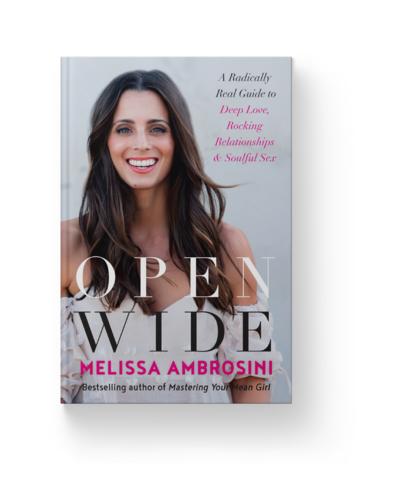
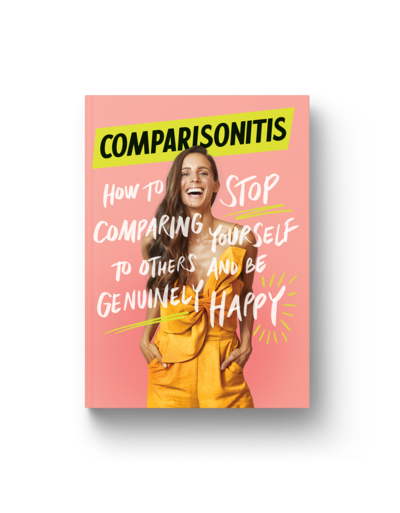
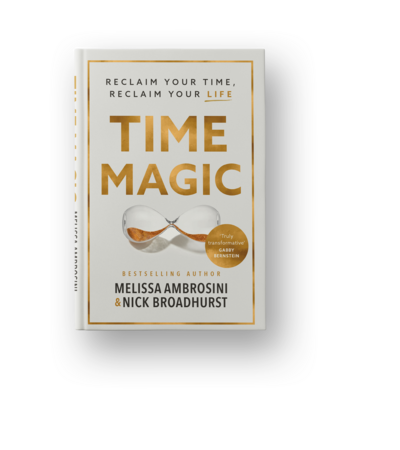









Hi Melissa,
Thanks for this amazing episode, I’m going to listen to it again and again!
Which book would you recommend I read first to get a basic understanding of Kabbalah?
Thanks,
Bernie
I’m so glad it resonated and you got so much out of it. What was your biggest takeaway?
The first book I would start with is The Power Of Kabbalah, it’s amazing. Have a read and let me know what you think. xx